Architectural Laboratories
U.S. Pavilion, Venice Biennale
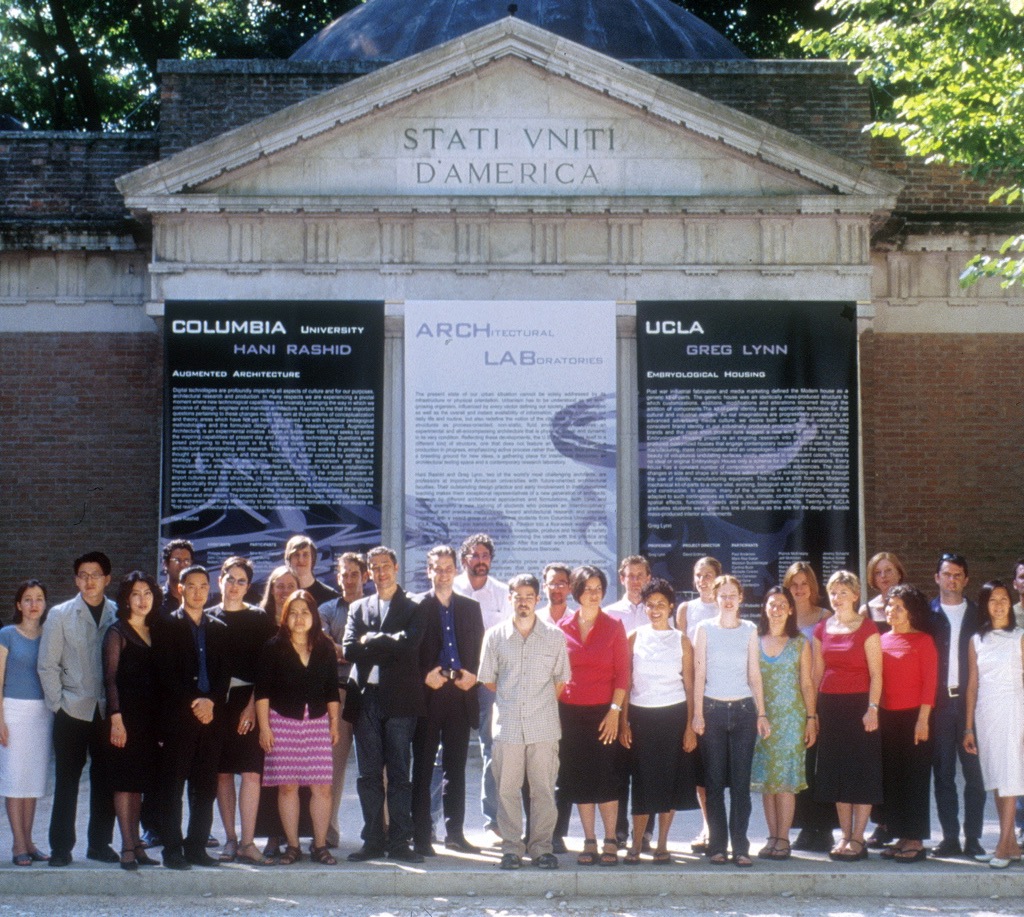
Hani Rashid co-curates the American Pavilion at the 7th Venice Architecture Biennale with Greg Lynn — a four-week live workshop with Columbia GSAPP and UCLA students producing ten large-scale digital installations exploring interactivity, real-time data, and computation as an architectural medium. Sponsored by IBM and organized by the Guggenheim Foundation under U.S. Commissioner Max Hollein.
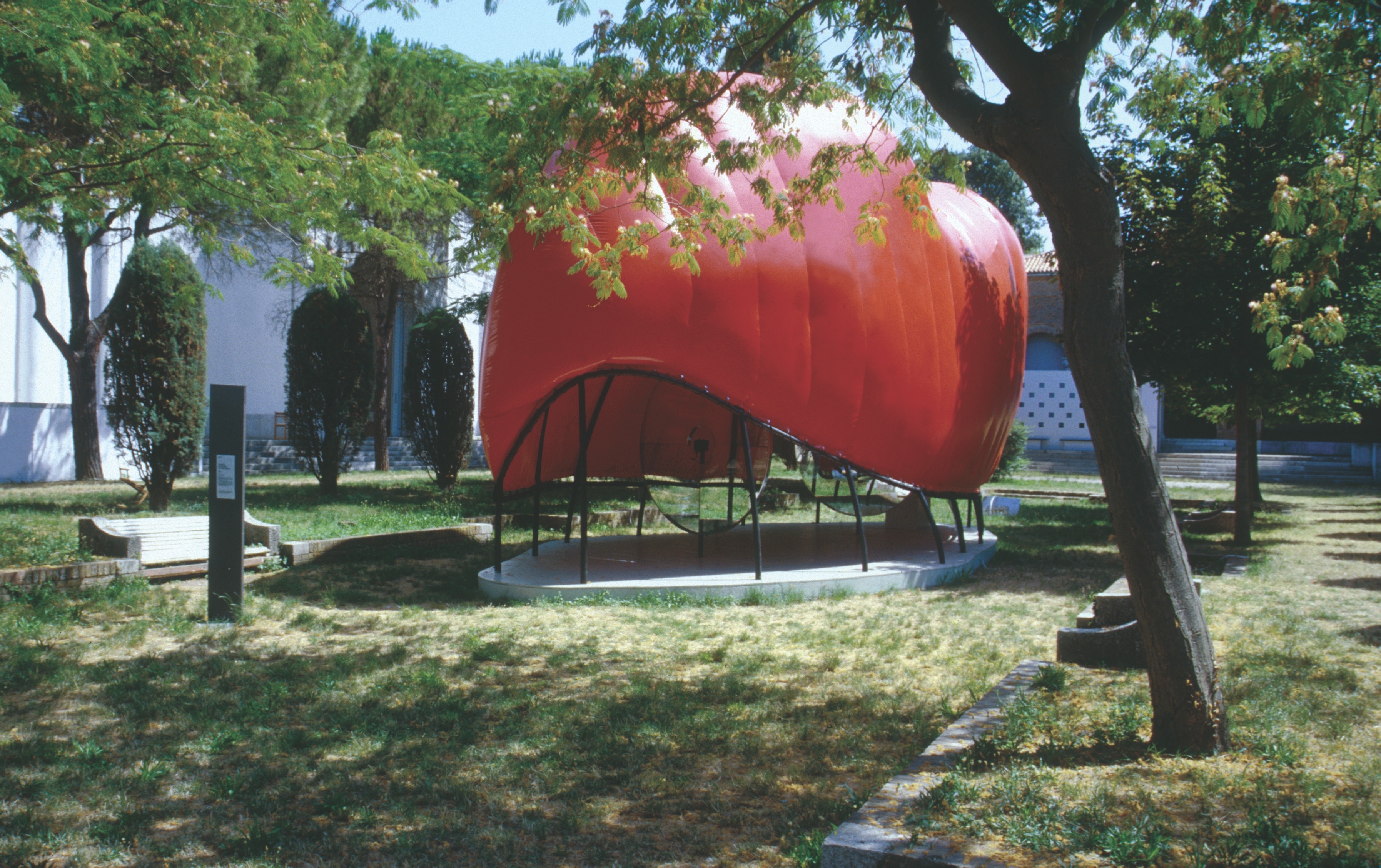
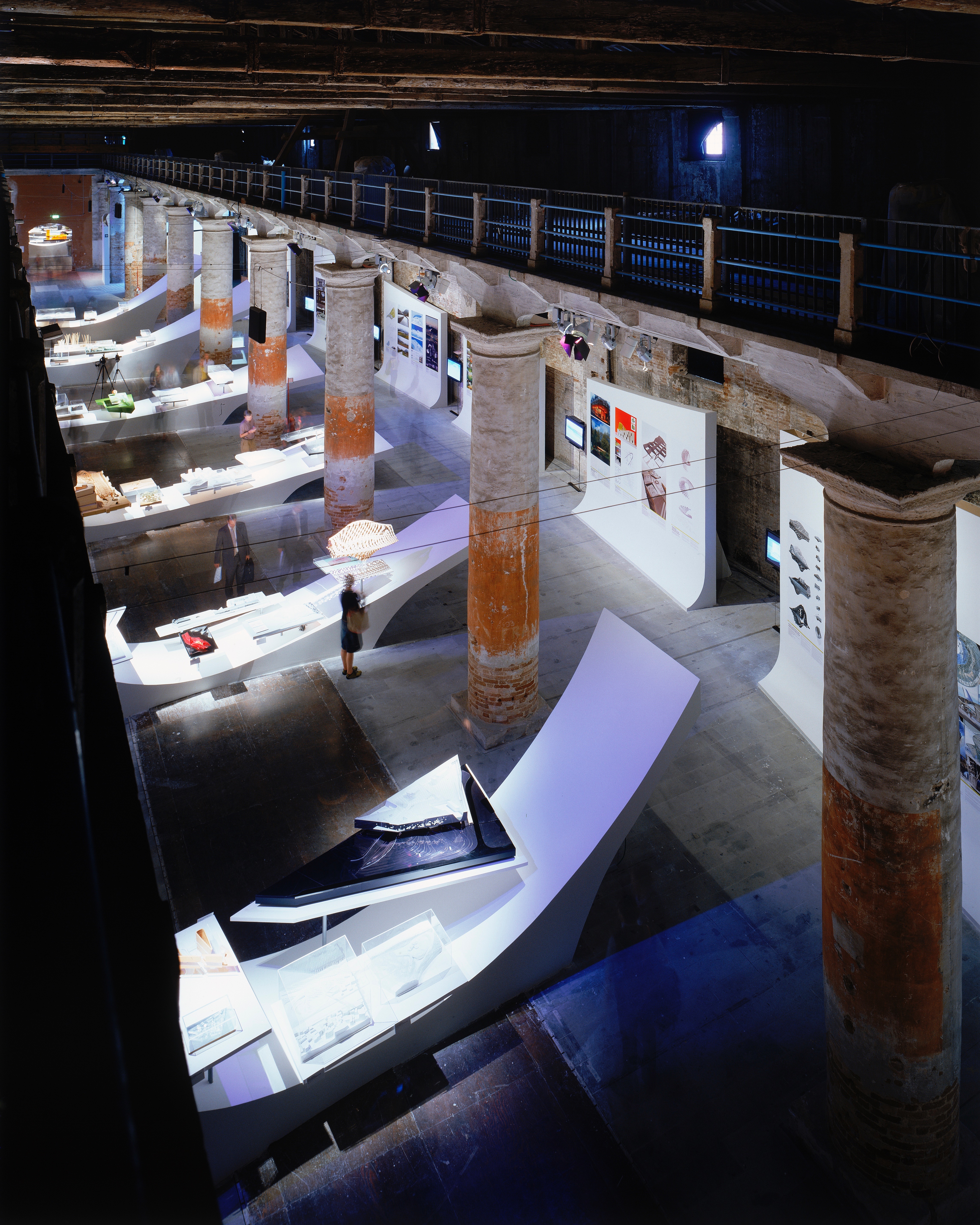
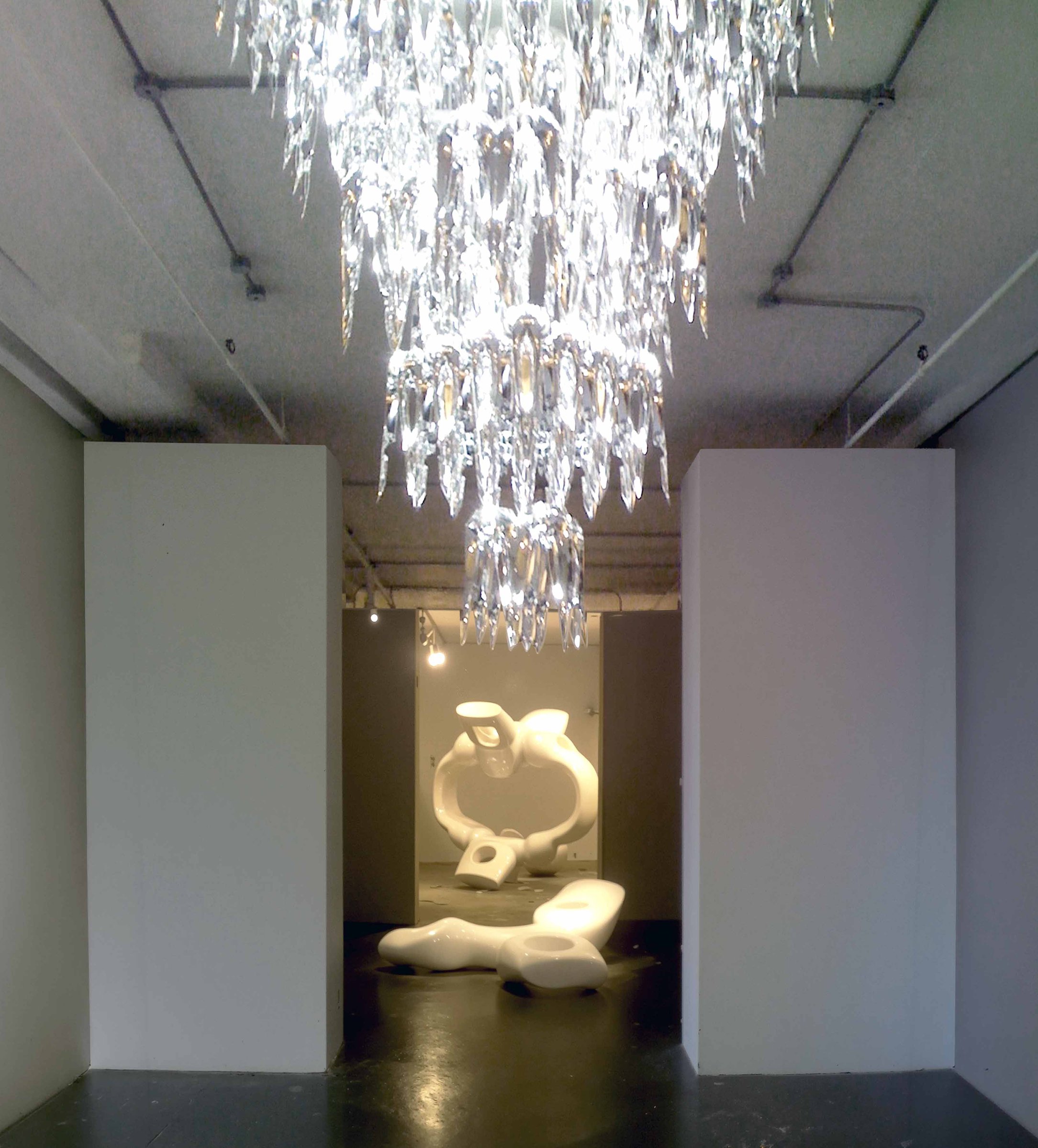
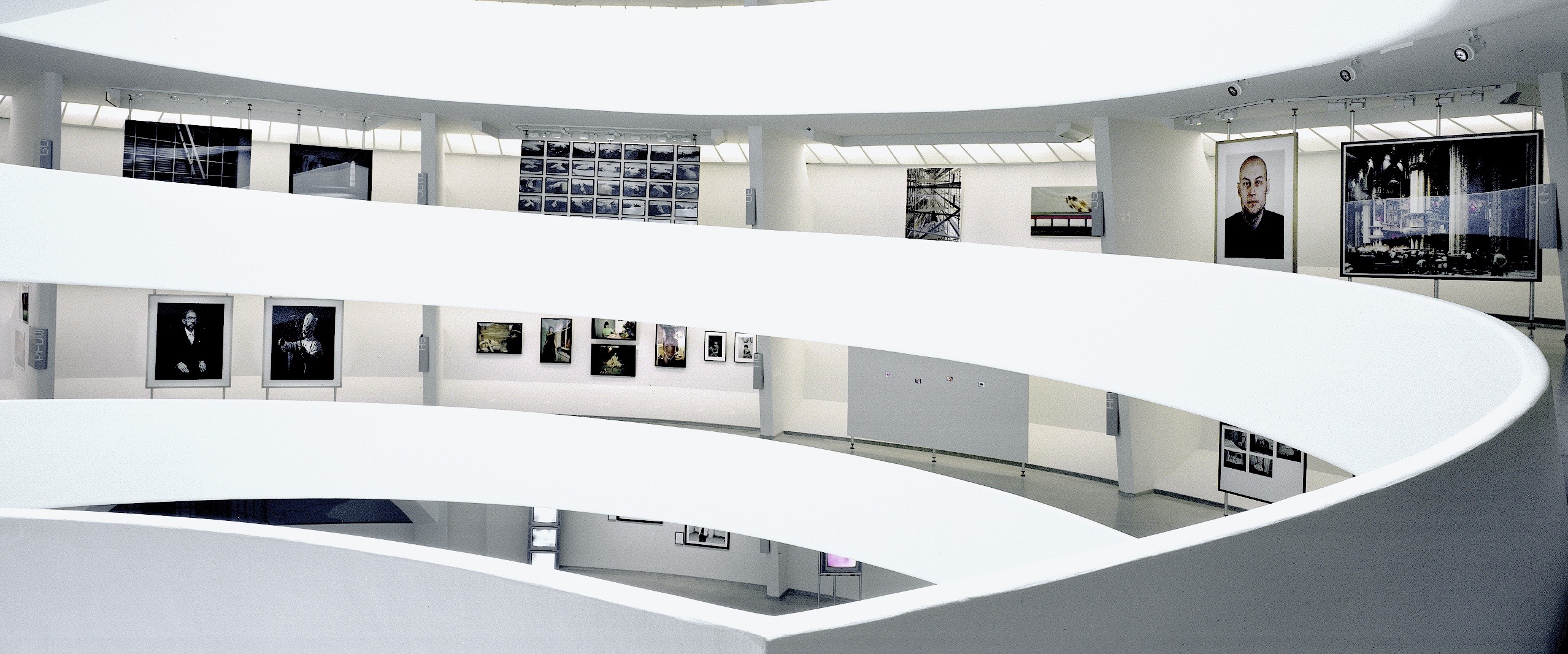
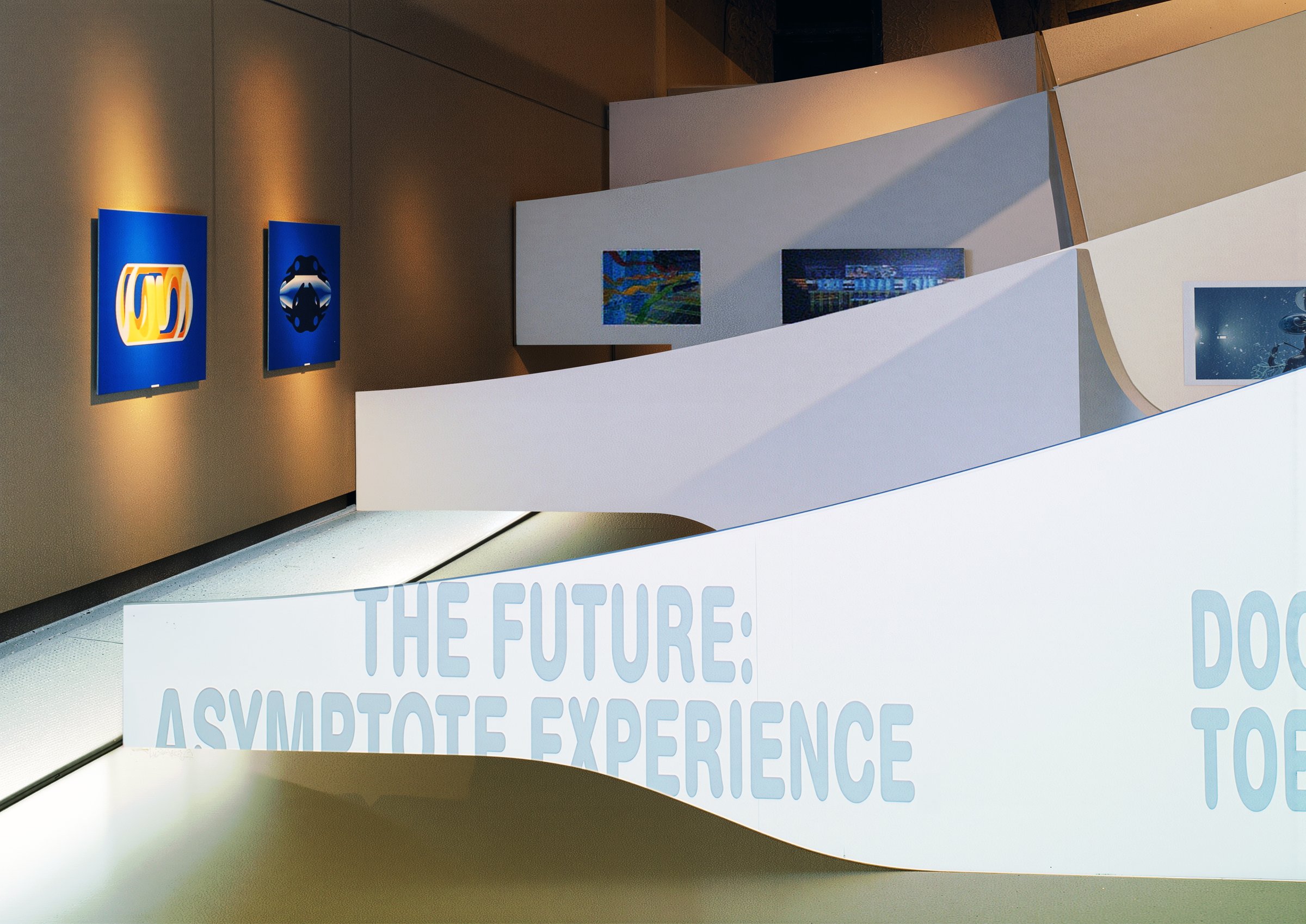
In the summer of 2000, Hani Rashid and Greg Lynn were invited to co-curate the American Pavilion at the 7th International Architecture Exhibition in Venice — Massimiliano Fuksas’s Less Aesthetics, More Ethics. The result, Architectural Laboratories, was not a conventional exhibition but a live experiment: a four-week on-site workshop in which select students from Columbia University’s GSAPP (led by Rashid) and UCLA (led by Lynn) designed and built ten large-scale digital installations inside the U.S. Pavilion, with the completed work remaining on view for the Biennale’s full five-month run.
The exhibition was organized by the Solomon R. Guggenheim Foundation, with Max Hollein — now Director of the Metropolitan Museum of Art — serving as U.S. Commissioner. Guest critics included the philosopher Mark C. Taylor and ZKM chairman Peter Weibel.
Augmented Architecture
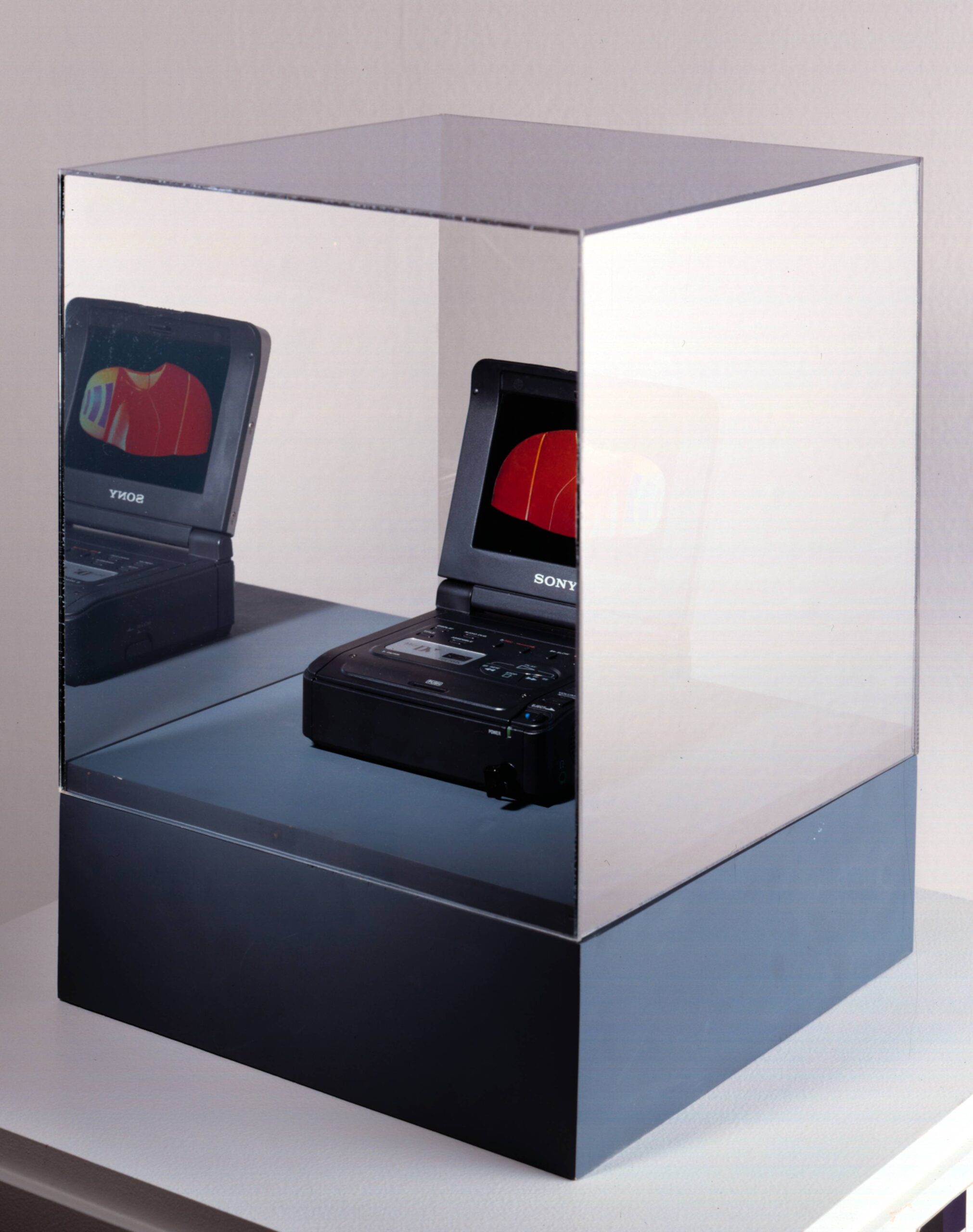
Rashid’s Columbia GSAPP students occupied one wing of the pavilion under the theme Augmented Architecture, producing three large-scale interactive installations with IBM IntelliStation sponsorship. The projects rejected the idea of architecture as a fixed object and instead explored computation as a spatial medium — environments that responded to occupants through sensors, real-time data feeds, and projected imagery.
Among the installations was The Condenser, which transformed the pavilion into a surrogate airport terminal: sensors embedded in the floor triggered ambient sounds and projected duty-free imagery onto tunnel walls, creating an architecture shaped by the movements of those passing through it. Another project, Data Flux Response Architecture, proposed environments in constant transformation — architecture that could never be represented in a static drawing because it existed only in the temporal unfolding of data.
These were not student projects in any conventional sense. They were full-scale built installations, exhibited on the world stage, that demonstrated an emerging generation’s fluency with digital tools not as instruments of representation but as the medium of architecture itself.
The Embryologic House
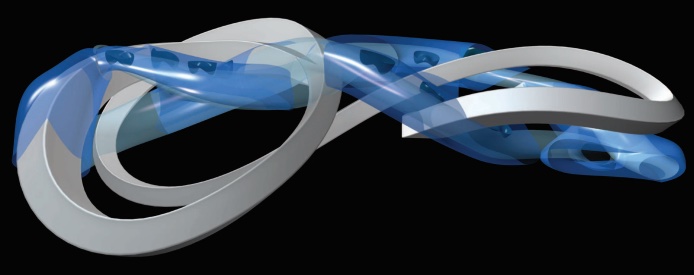
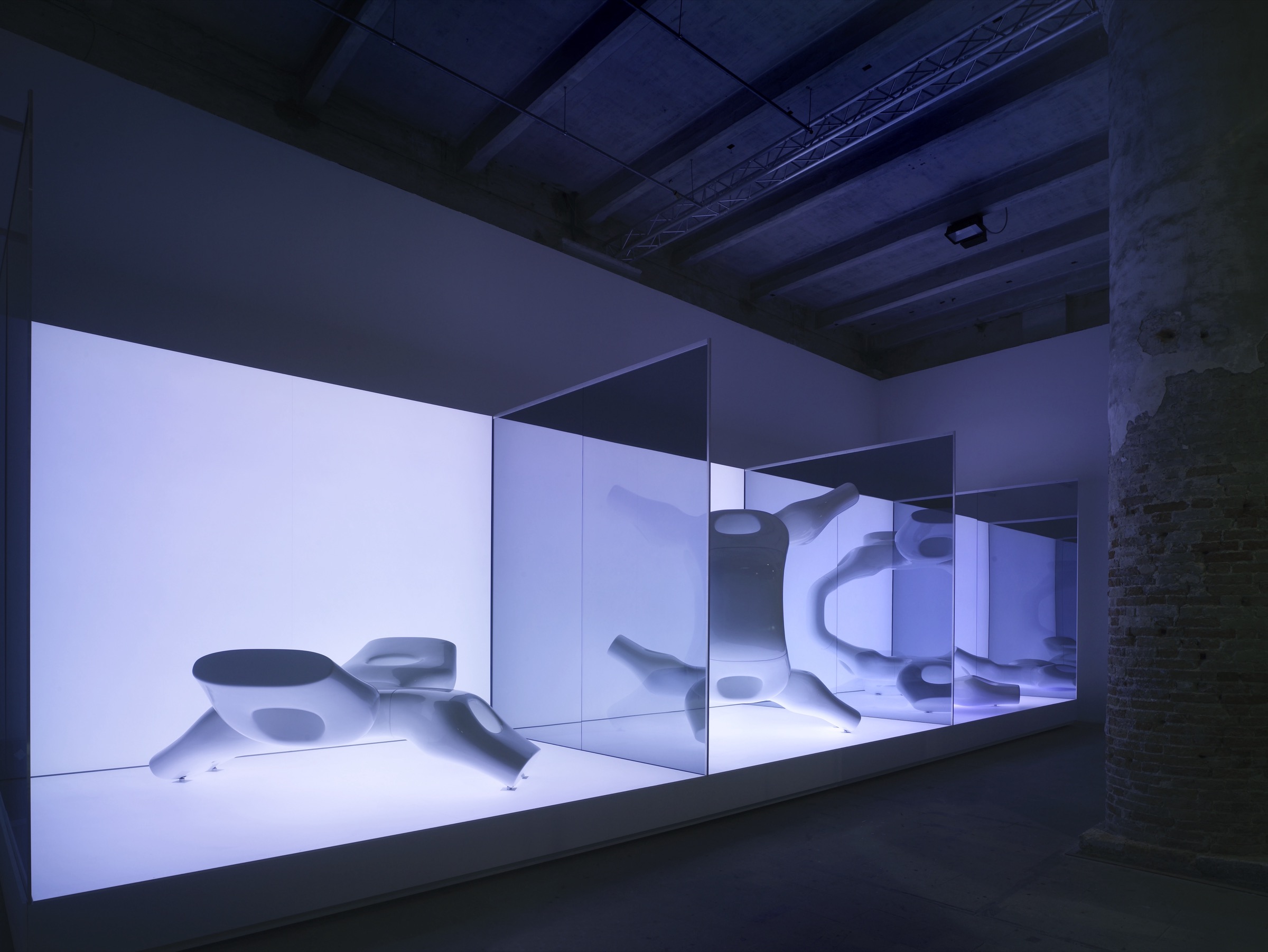
In the opposite wing, Greg Lynn’s UCLA students explored his seminal Embryologic House concept — using animation software (Maya, Microstation) to study how natural forces could generate architectural form. The work produced CNC-manufactured prototypes that demonstrated continuous variation: each house instance unique, yet generated from the same parametric logic.
A Proving Ground
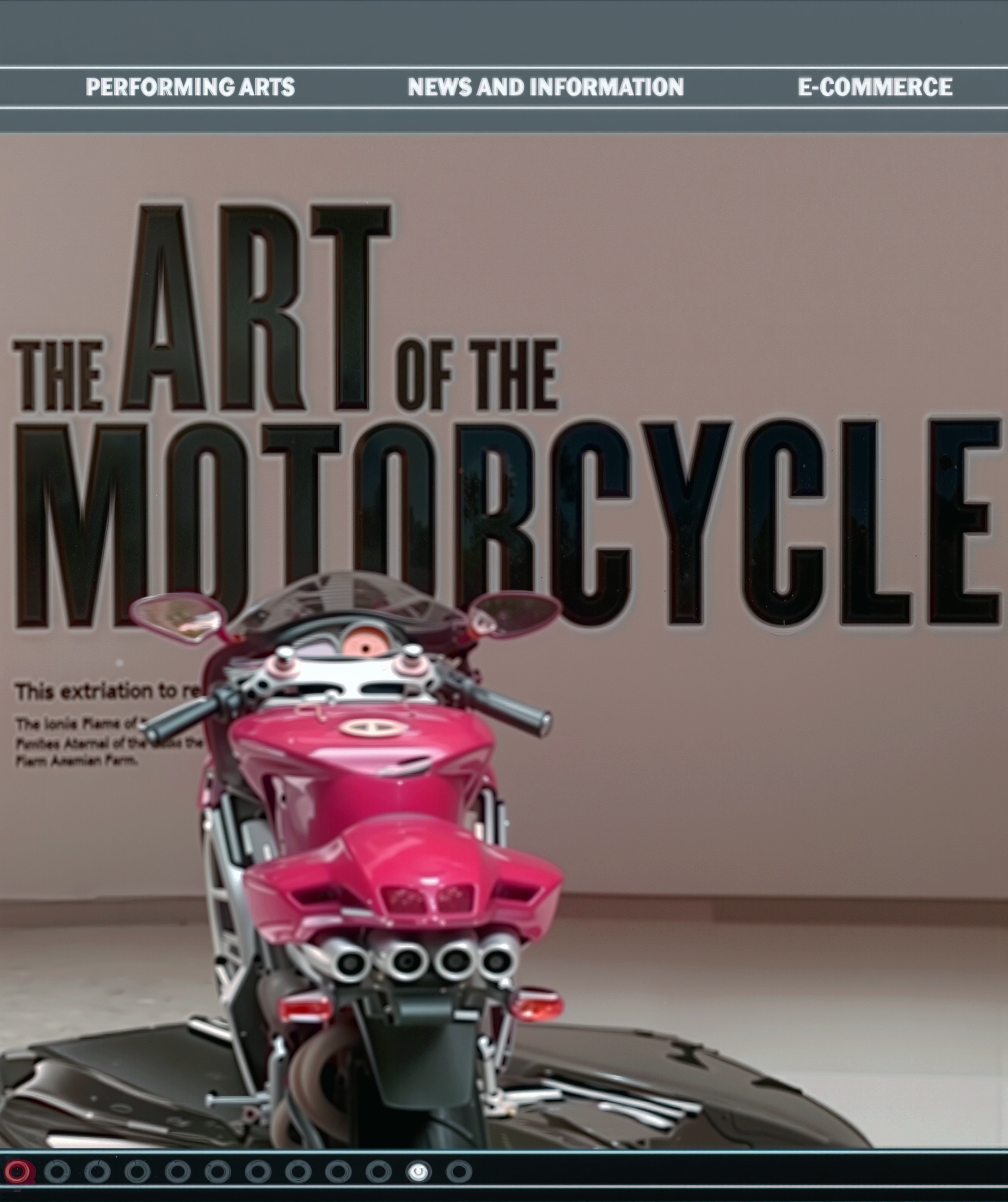
Architectural Laboratories was significant for several reasons. It was the first time the American Pavilion had been given over to an educational format — two architecture programs working live, in public, at the scale of the Biennale. It demonstrated that the digital tools transforming practice were equally transforming pedagogy. And many of the Columbia GSAPP students who participated went on to staff Guggenheim.com, the pioneering cultural platform Rashid co-founded with Thomas Krens and Judy Cox the same year — carrying the experimental sensibility of the Venice workshop directly into a commercial venture.
The exhibition was documented in the publication Architectural Laboratories (NAi Publishers, 2002), edited by Veronique Patteeuw and designed by CoMa, with essays by Rashid, Lynn, Hollein, Taylor, and Weibel.
Sponsors
IBM IntelliStation, Chrysler Italia, 3M, Delta Air Lines, Alias|Wavefront, Zero Systemic Furniture, BTicino, Precix Advanced Cutting Technologies, Kaindl Flooring, Zumtobel Staff, Bisazza, and the William Kinne Fellows Trust.