Drawings · 1999 · Realized
I-Scapes
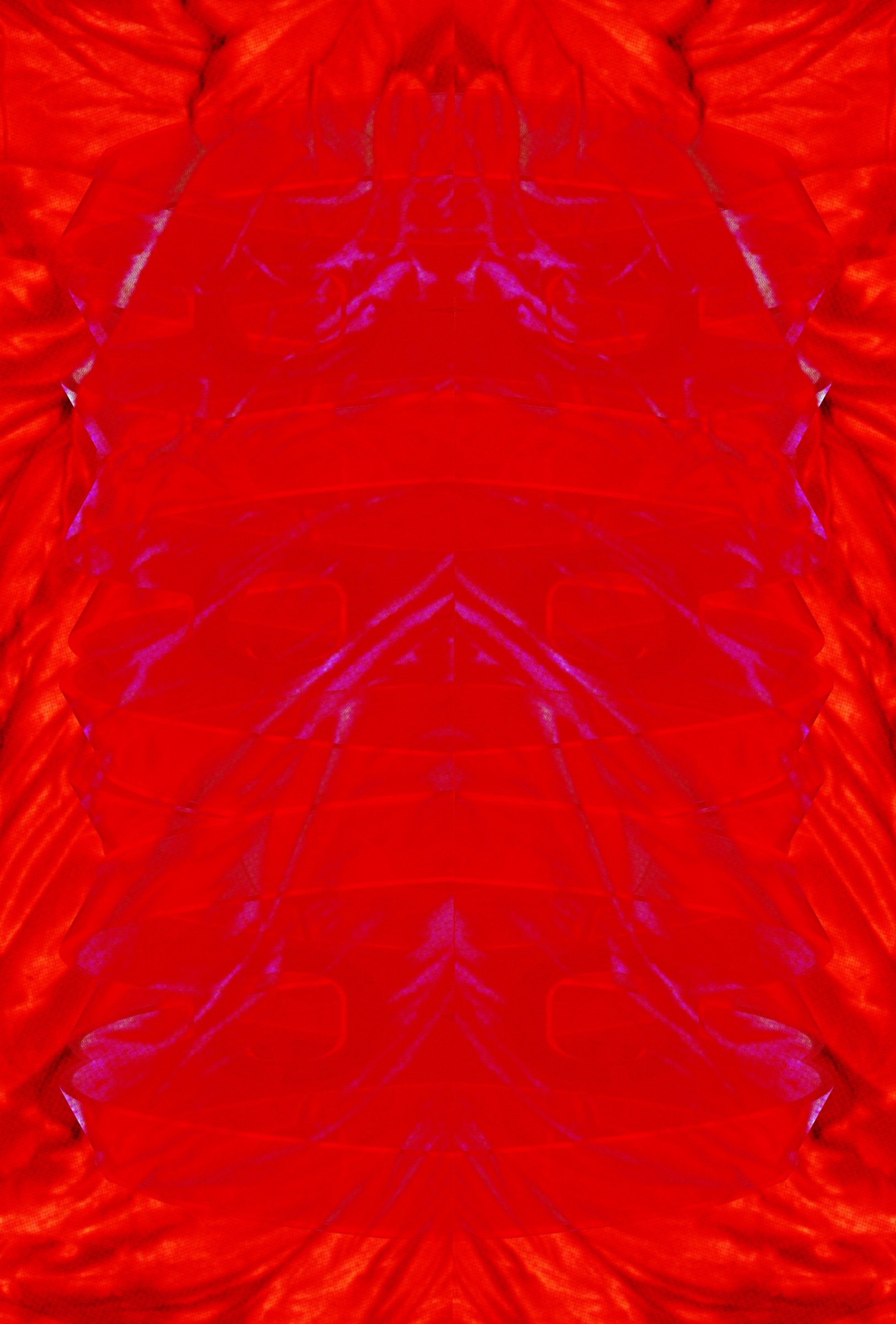
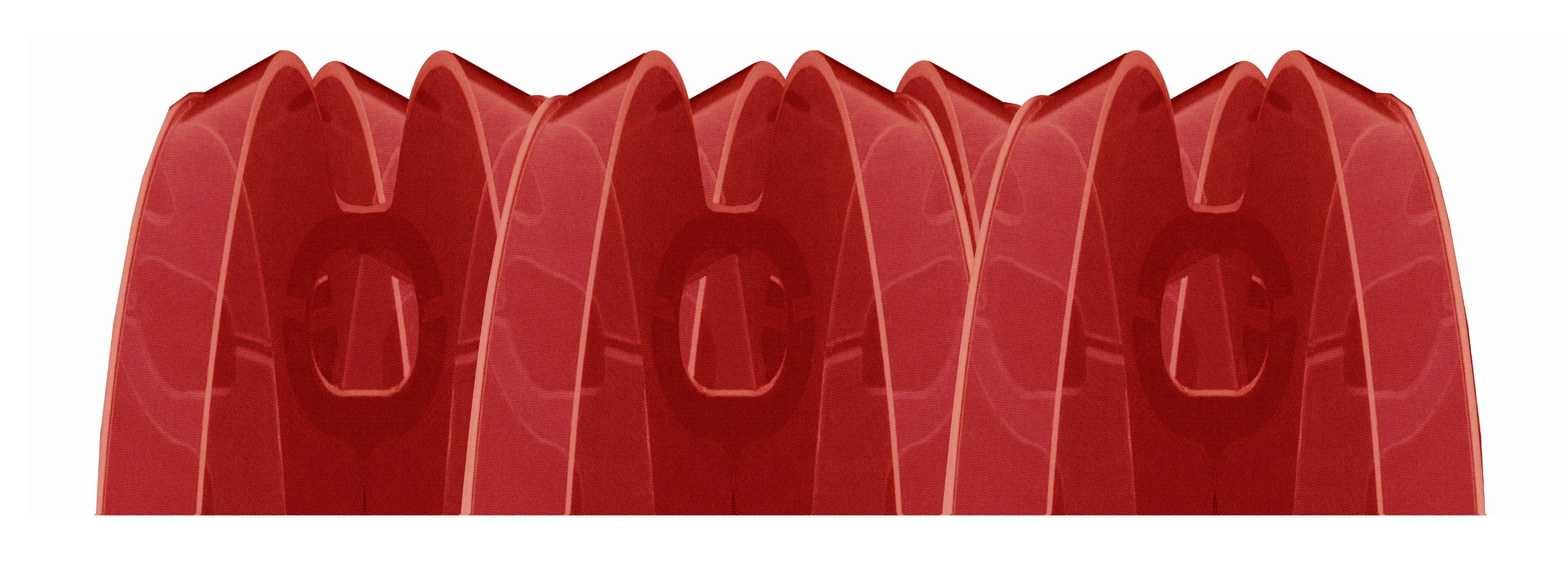
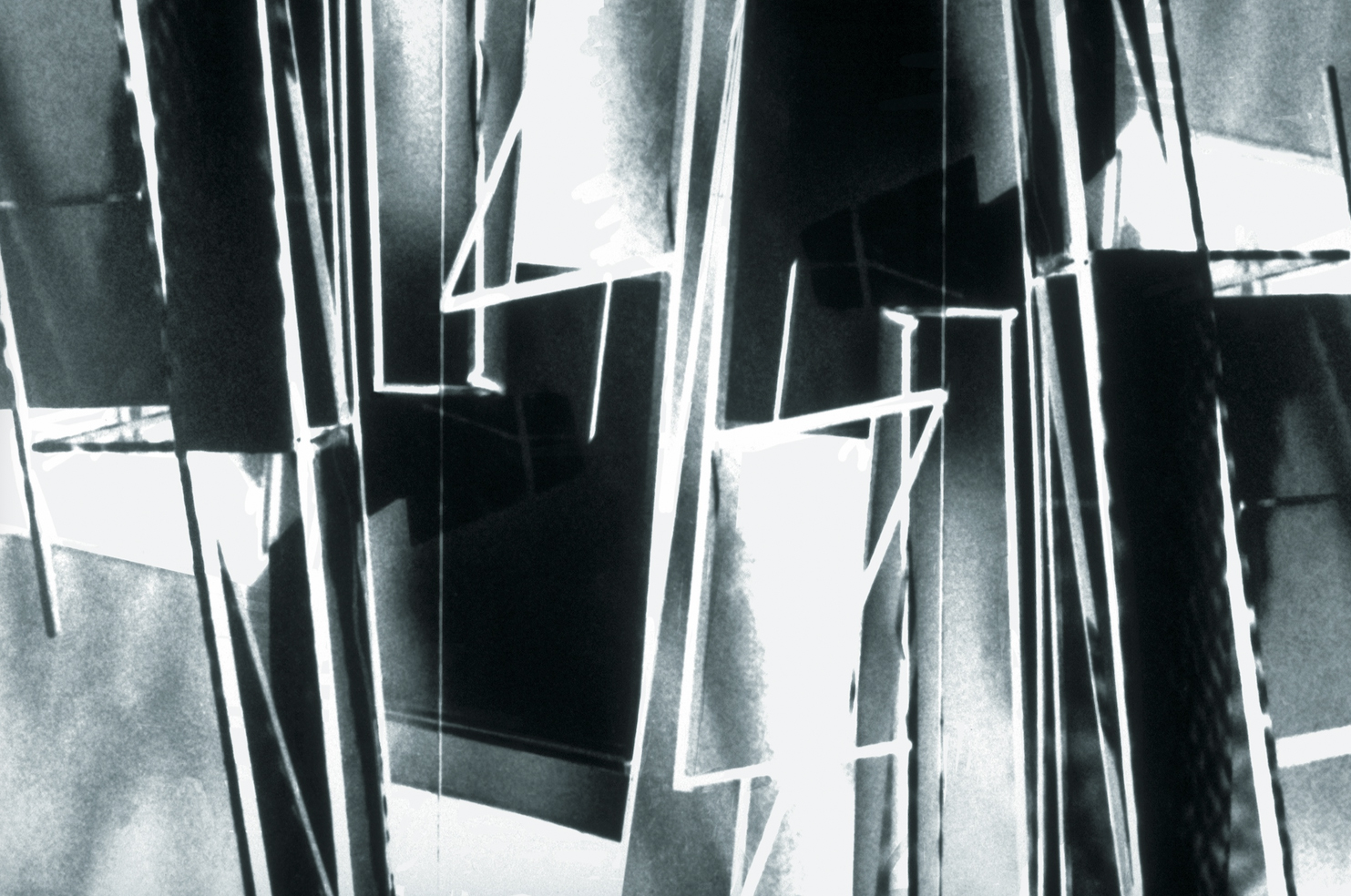
The I-Scapes series marks a critical transition from analog to digital thinking, exploring how images operate as carriers of information, identity, and coded significance in the emerging information age.
About the project
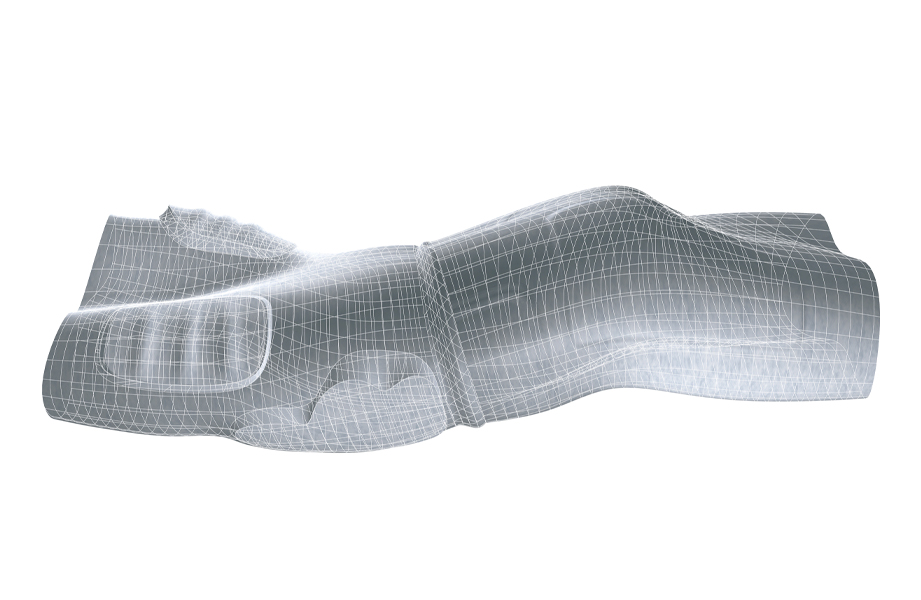
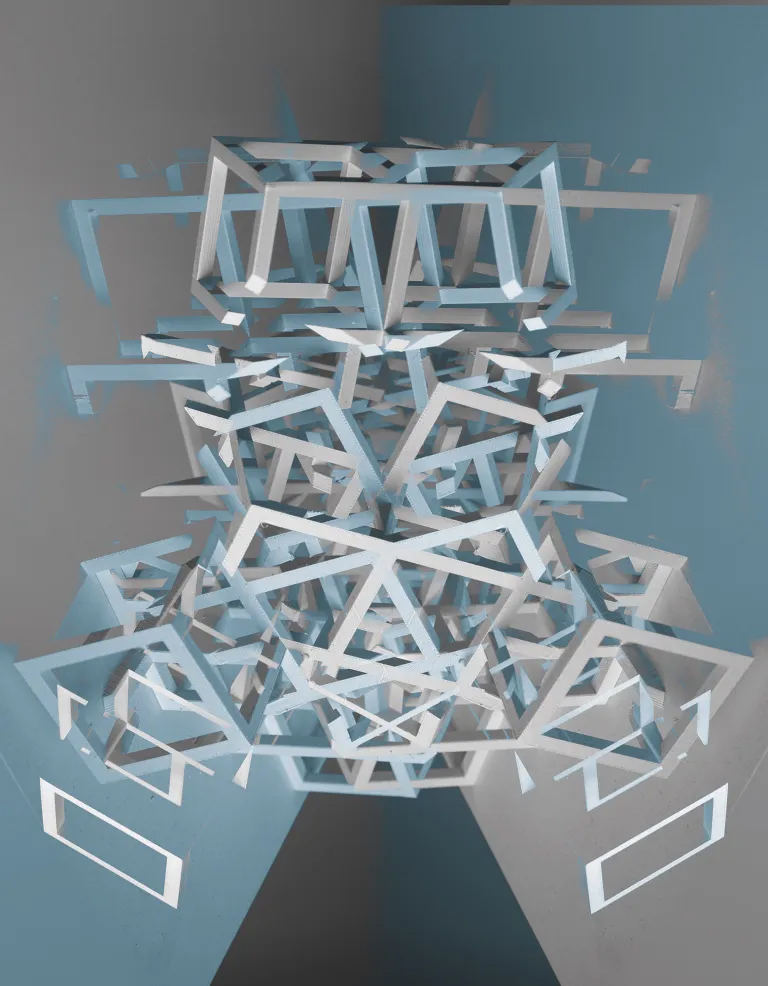
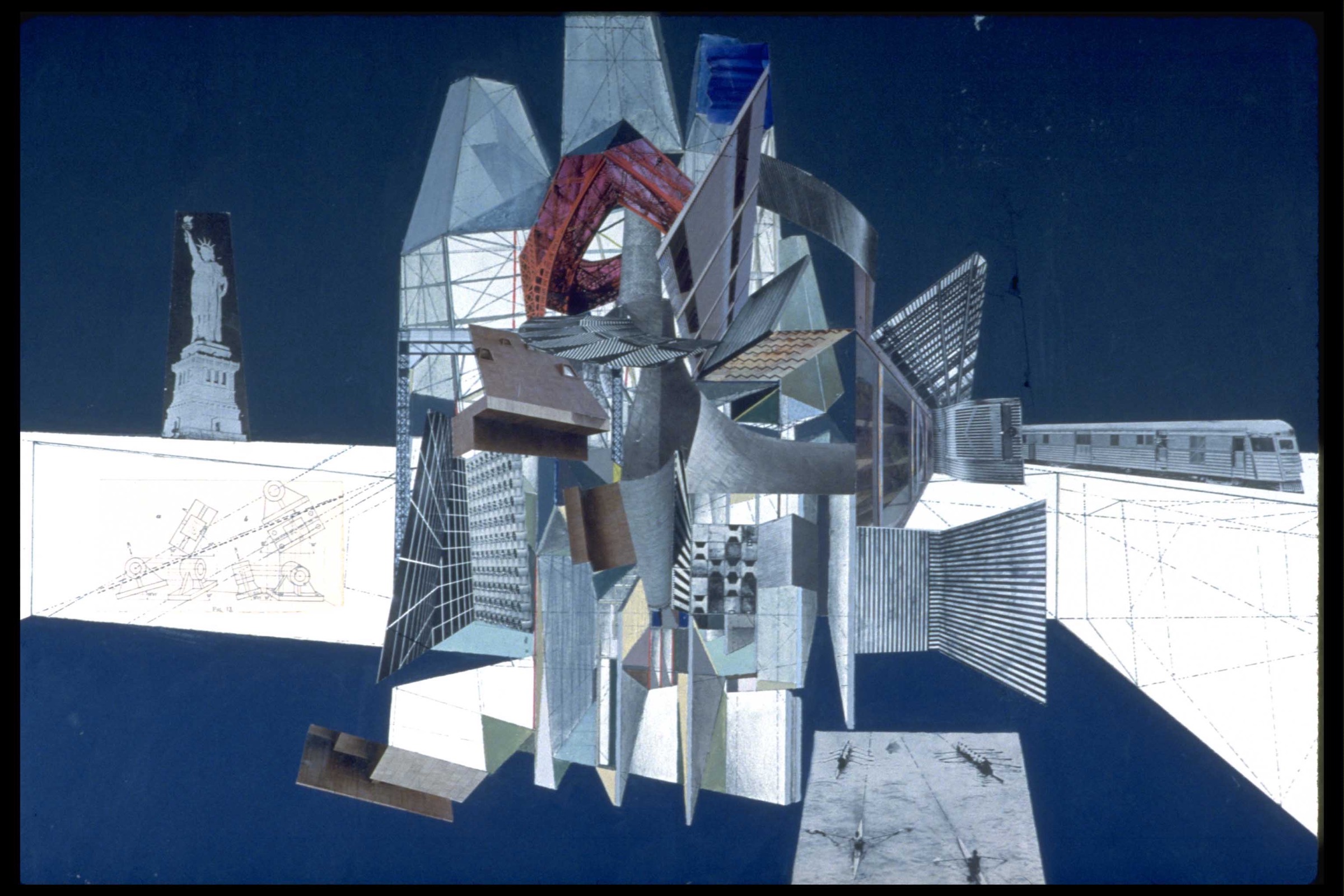
In the late 1990s, the newly minted digital realms opened up radical possibilities for image-making. The I-Scapes series, 24 computer-generated collages, emerged from this moment, combining early imaging software, photographs, and rudimentary 3D models into dense composite fields where meaning is both constructed and obscured. Icons, fragments, and visual symbols are layered into compositions where forms morph between recognizable objects, sneakers, buildings, advertisements, and abstract digital terrain.
The works investigate the instability of representation, anticipating a condition in which images multiply, circulate, and recombine beyond fixed interpretation. As such, the I-Scapes establish an early framework for understanding space as an informational and semiotic construct rather than a purely physical one.
From Drawings to Video to Architecture
The 24 I-Scapes collages became the source material for one of the earliest computer-aided morphing videos, produced using Macromedia Pro. This video in turn was enclosed as miniDV multiples in one-way mirrored glass cubes (edition of 10), now held in the permanent collections of MoMA, SFMoMA, the CCA, and the NAI. The entire body of work, collages, video, and multiples, was first exhibited together at Frederieke Taylor-TZ Art Gallery in SoHo (1999) in the landmark show I-Scapes 1.0: Consumable Architectures for a Digital Culture.
Most significantly, the I-Scapes collages and morphing video served as the “preliminary sketches” for the Guggenheim Virtual Museum (GVM), the world’s first virtual museum of contemporary art.
Exhibitions
The drawings were first exhibited at Frederieke Taylor-TZ Art Gallery in New York (1999), subsequently shown at the Julie Saul Gallery in New York (2000), and The Brooklyn Museum (2001).