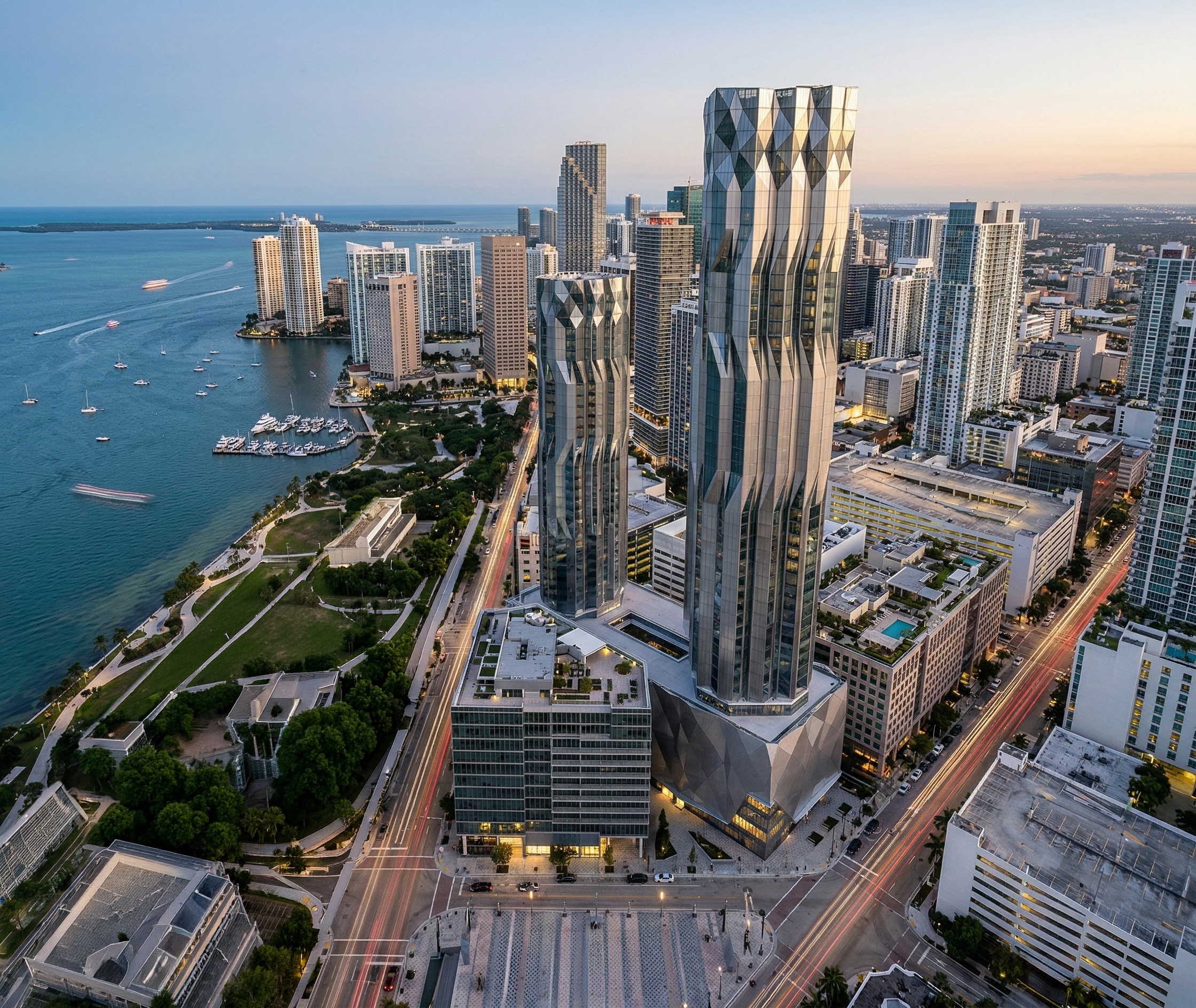
Residential · 2010 · Competition Winner
ZZ Towers
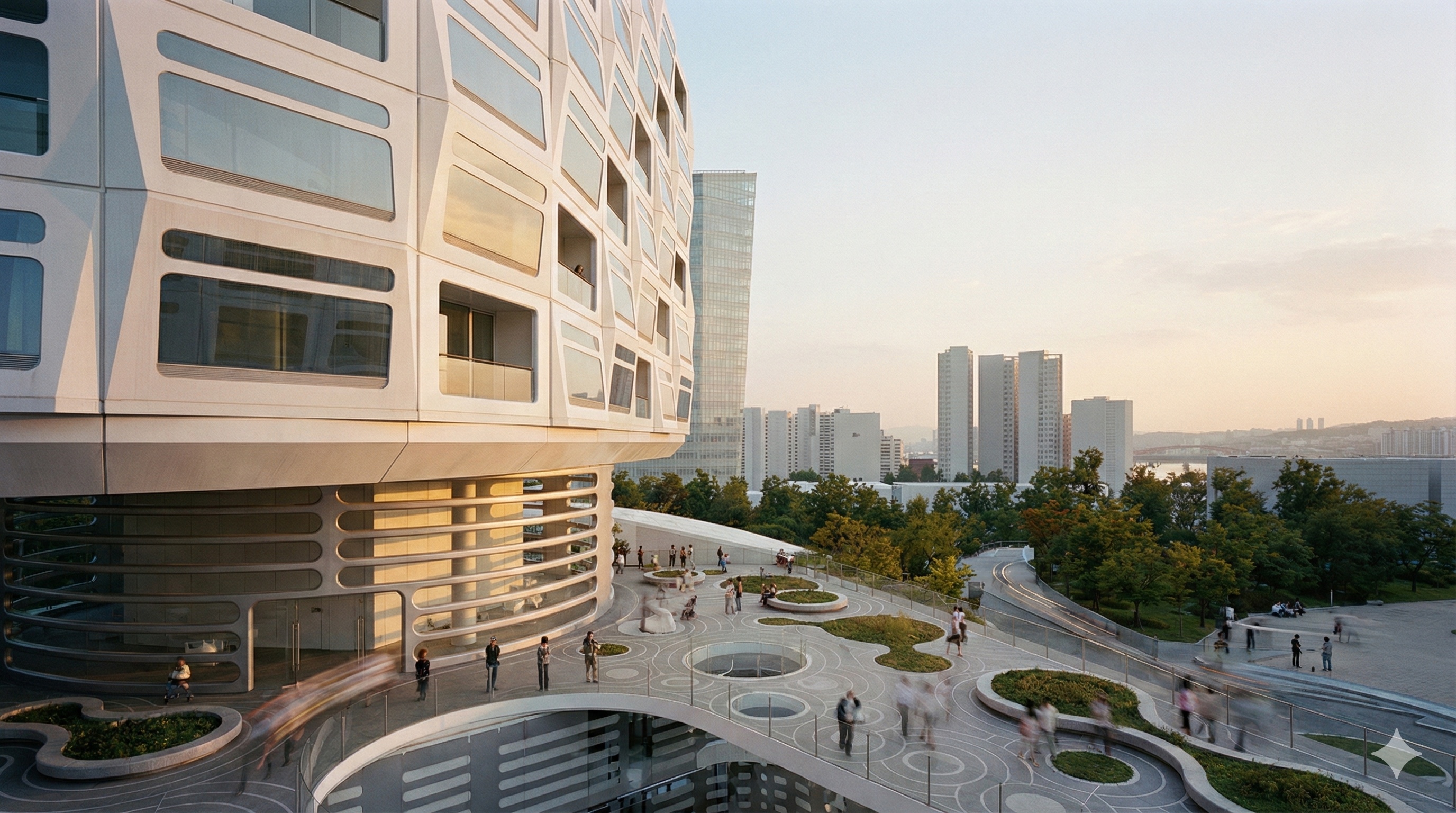
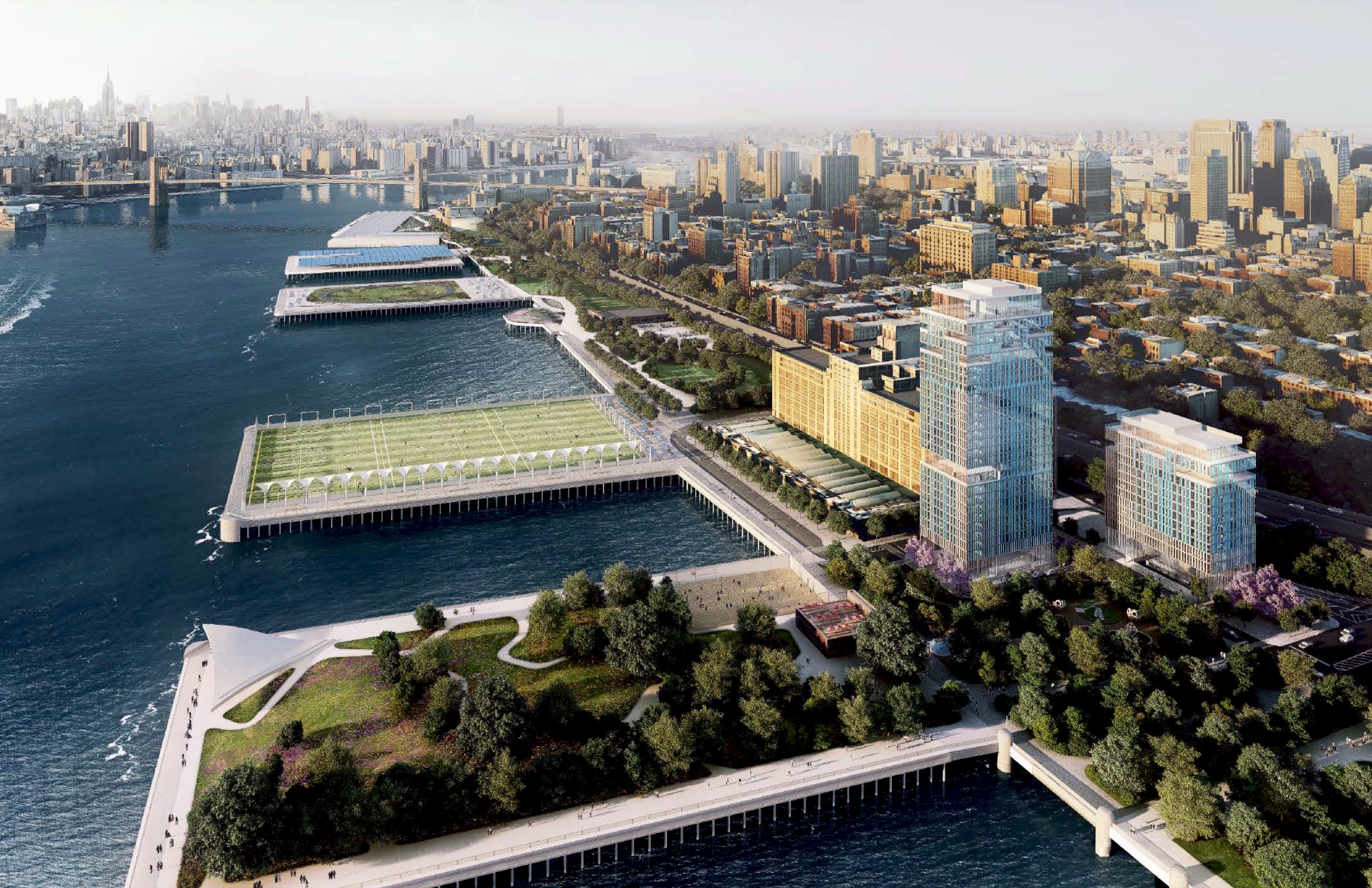
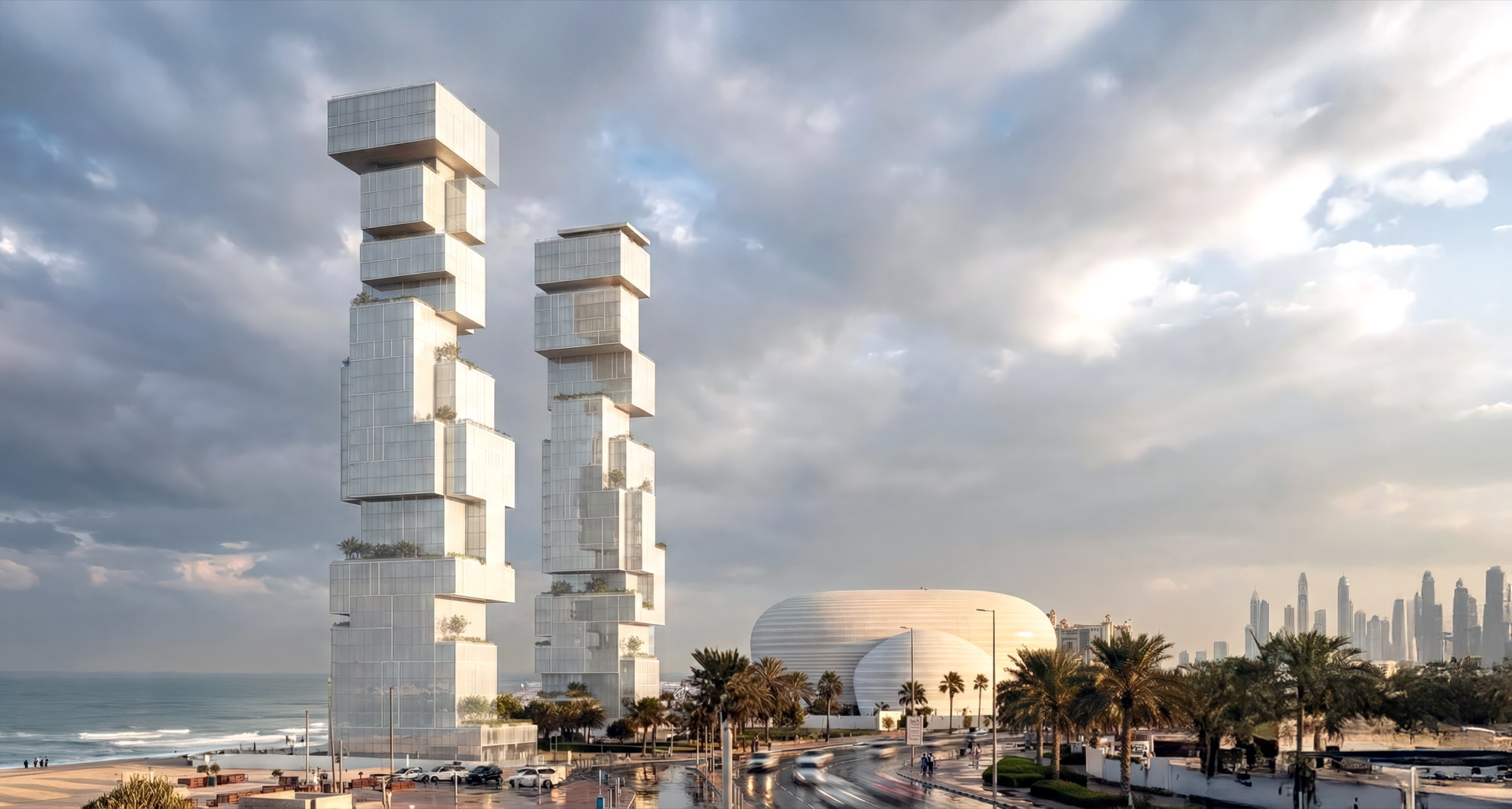
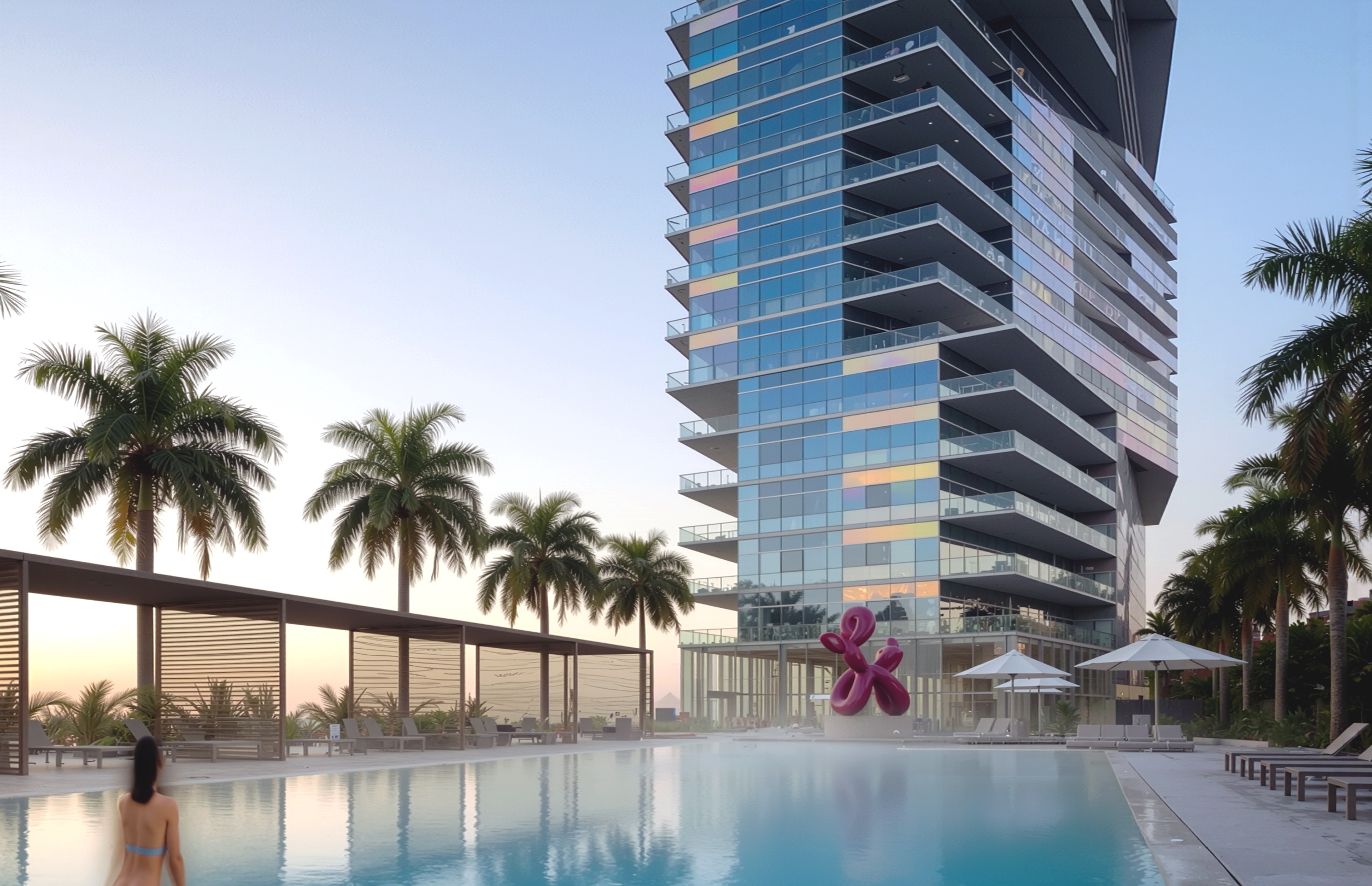
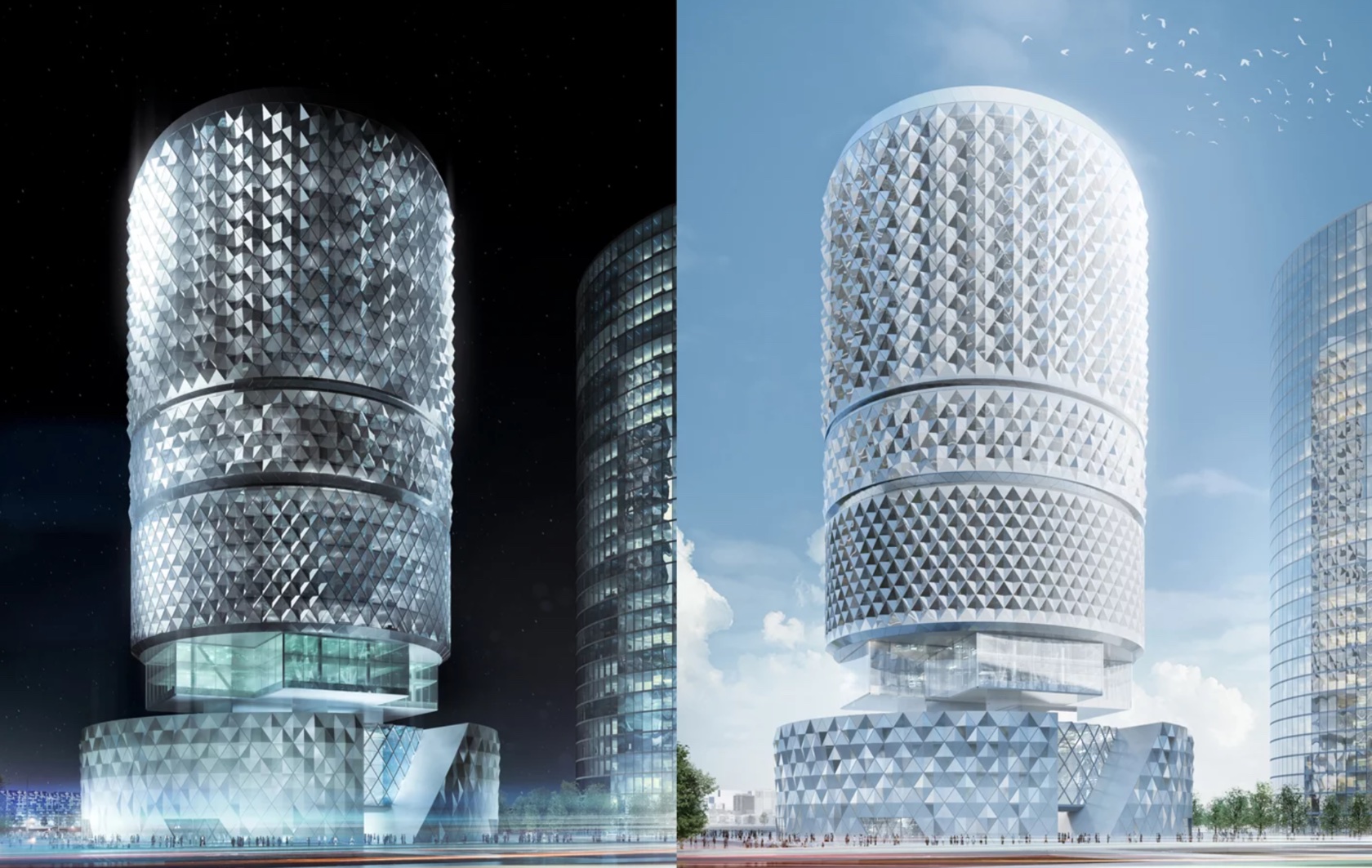
A pair of mixed-use high-rise towers within a larger urban development masterplanned by Arata Isozaki in Zhengzhou, vertically integrated structures combining residential, commercial, and public functions whose sculptural forms establish a contemporary skyline presence for the city's expanding core.
About the project
Zhengzhou, one of central China’s fastest-growing cities, commissioned Arata Isozaki to develop a masterplan for a new urban district at the expanding edge of its metropolitan core. The ZZ Towers were designed as a key architectural component of that framework, a pair of buildings whose form and positioning respond to the spatial logic established by the Isozaki plan while introducing a distinct identity within the larger ensemble.
Program & Form
The towers are organized as vertically integrated structures combining residential, commercial, and public functions within a compact urban footprint. Their sculptural forms create a dynamic skyline presence while responding to the broader spatial composition established by the Isozaki masterplan.
Ground Plane & Public Life
At ground level, retail and public circulation areas activate the pedestrian realm and connect the towers to surrounding streets, plazas, and public spaces within the district. The architectural language emphasizes clarity of form and vertical articulation, allowing the buildings to function both as urban markers and as components of a larger urban ensemble.
Urban Formation
The ZZ Towers demonstrate how high-rise architecture can contribute to the formation of new urban centers, reinforcing the spatial framework of a major masterplanned development while establishing a recognizable skyline presence for Zhengzhou’s expanding city core.