Guggenheim Virtual Museum
The First Virtual Museum
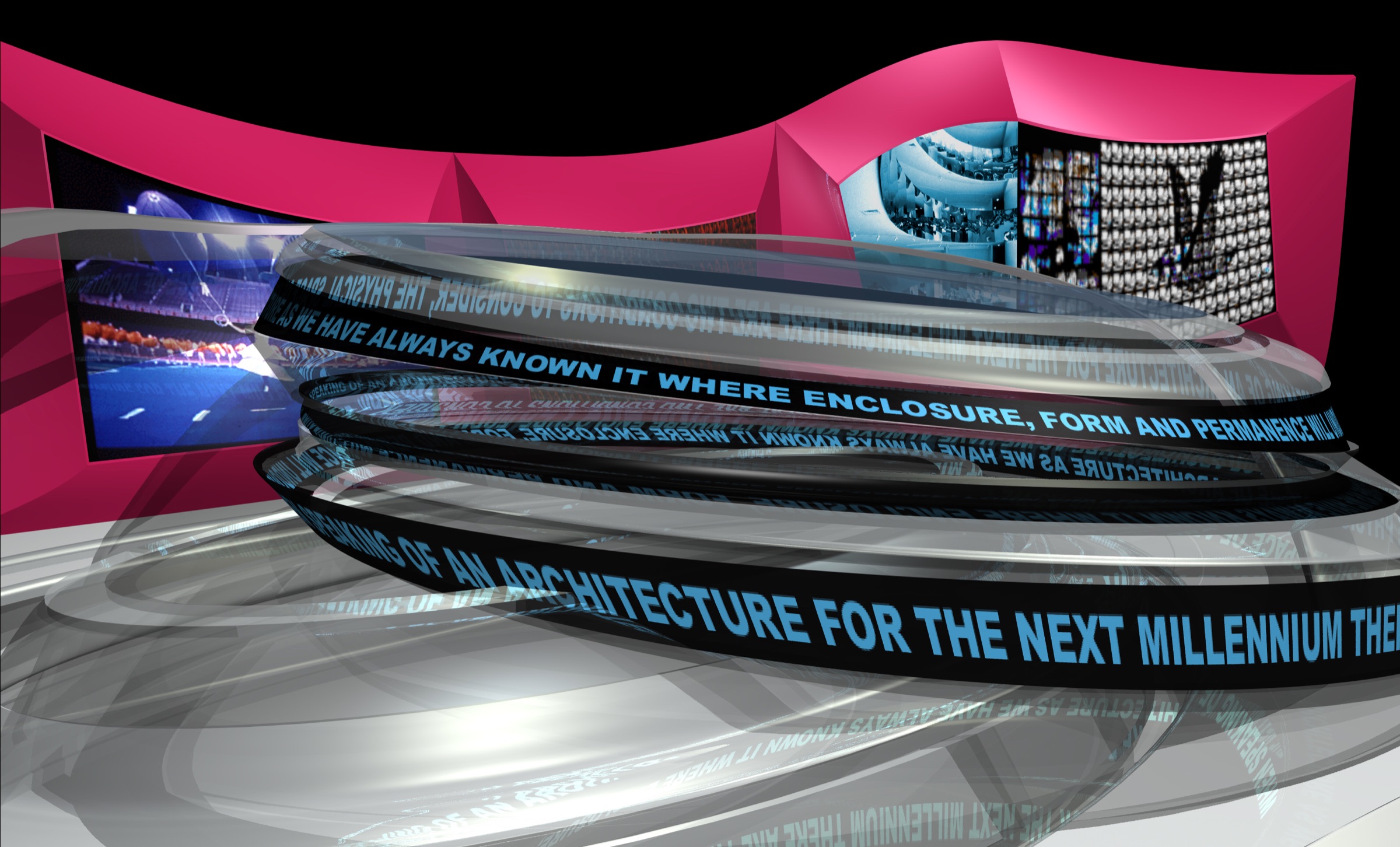
The first virtual museum commissioned by a major cultural institution — designed by Asymptote for the Solomon R. Guggenheim Foundation as a fully navigable three-dimensional space for the internet, funded by the Bohen Foundation and exhibited at the Venice Biennale.
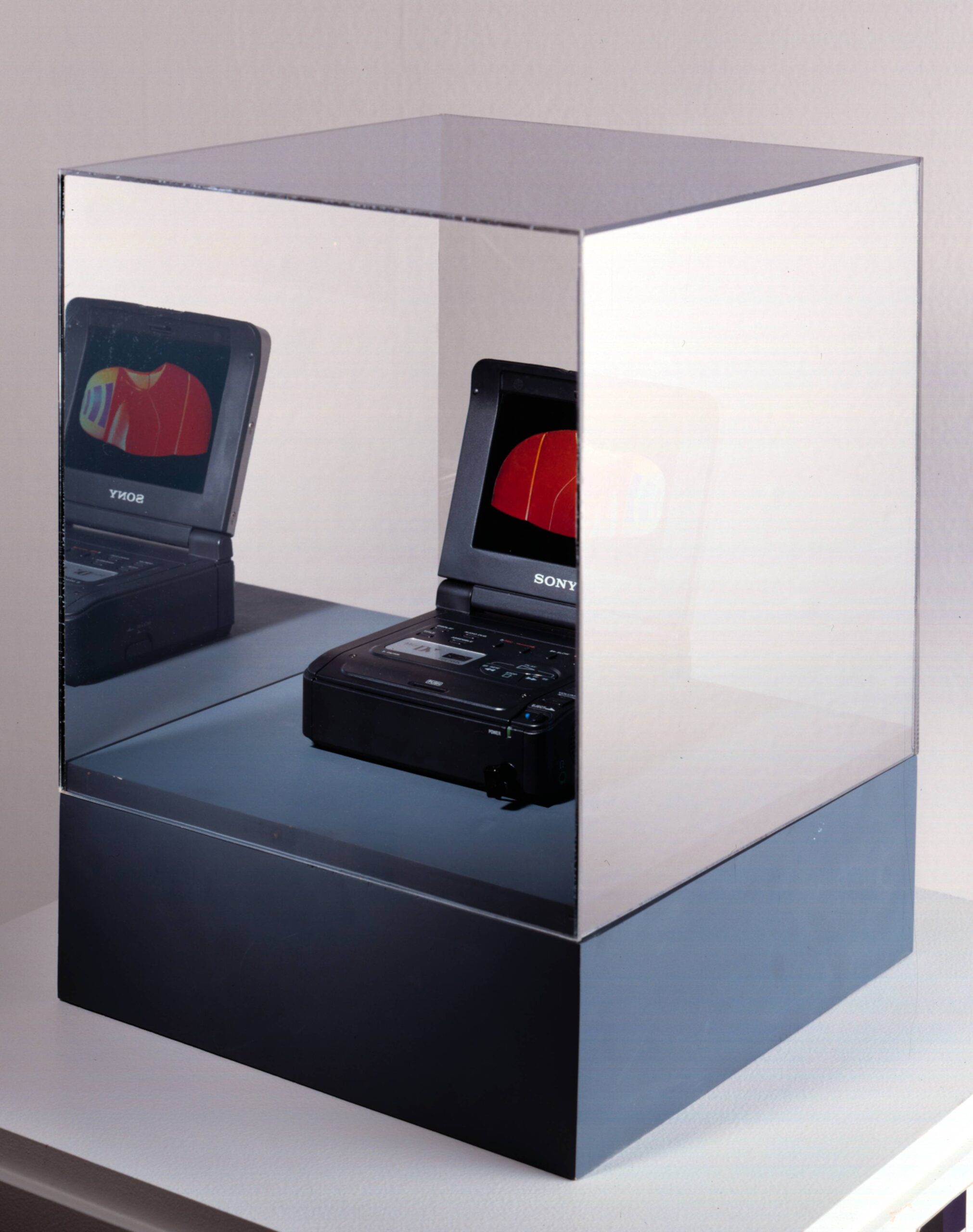
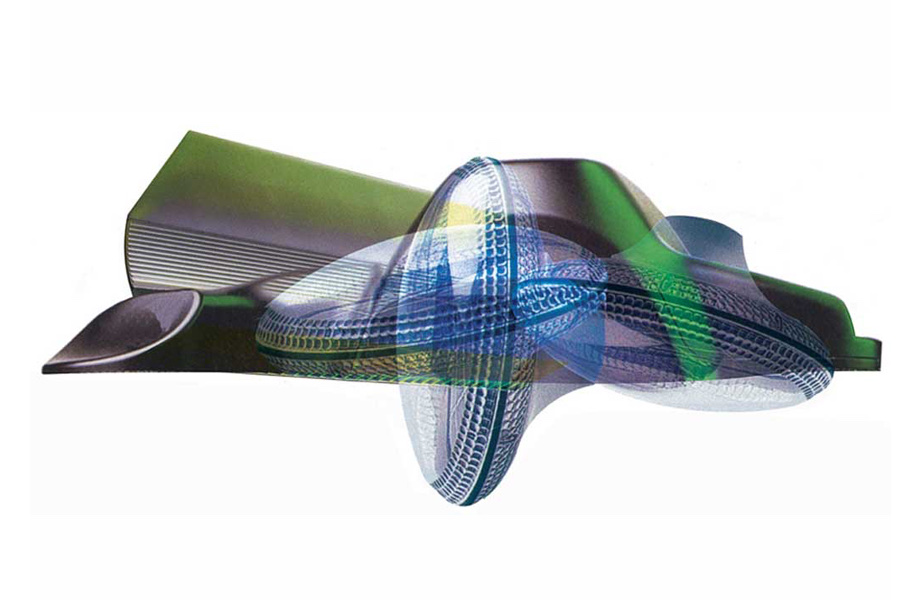
The Guggenheim Virtual Museum grew directly from Asymptote’s I-Scapes body of work — the 24 digital collages and morphing video that served as the conceptual and formal “sketchbook” for this commission. The spatial qualities, morphing geometries, and navigable digital landscapes explored in the I-Scapes series directly informed the spatialities of this groundbreaking venue.
In 1997 the Solomon R. Guggenheim Museum launched a major initiative, with lead funding from the Bohen Foundation, to commission, acquire, and display works of digital art for an entirely new online presence. The result was the Guggenheim Virtual Museum — the first substantive commitment to interactive, computer-based art and architecture by a major American museum, and arguably the first virtual building ever commissioned by a cultural institution of this scale.
Asymptote Architecture — Hani Rashid and Lise Anne Couture — was selected to design the virtual museum, which was planned as another site in the Guggenheim’s expanding network of spaces that already included Frank Lloyd Wright’s iconic spiral on Fifth Avenue and Frank Gehry’s titanium-clad building in Bilbao.
A New Kind of Architecture
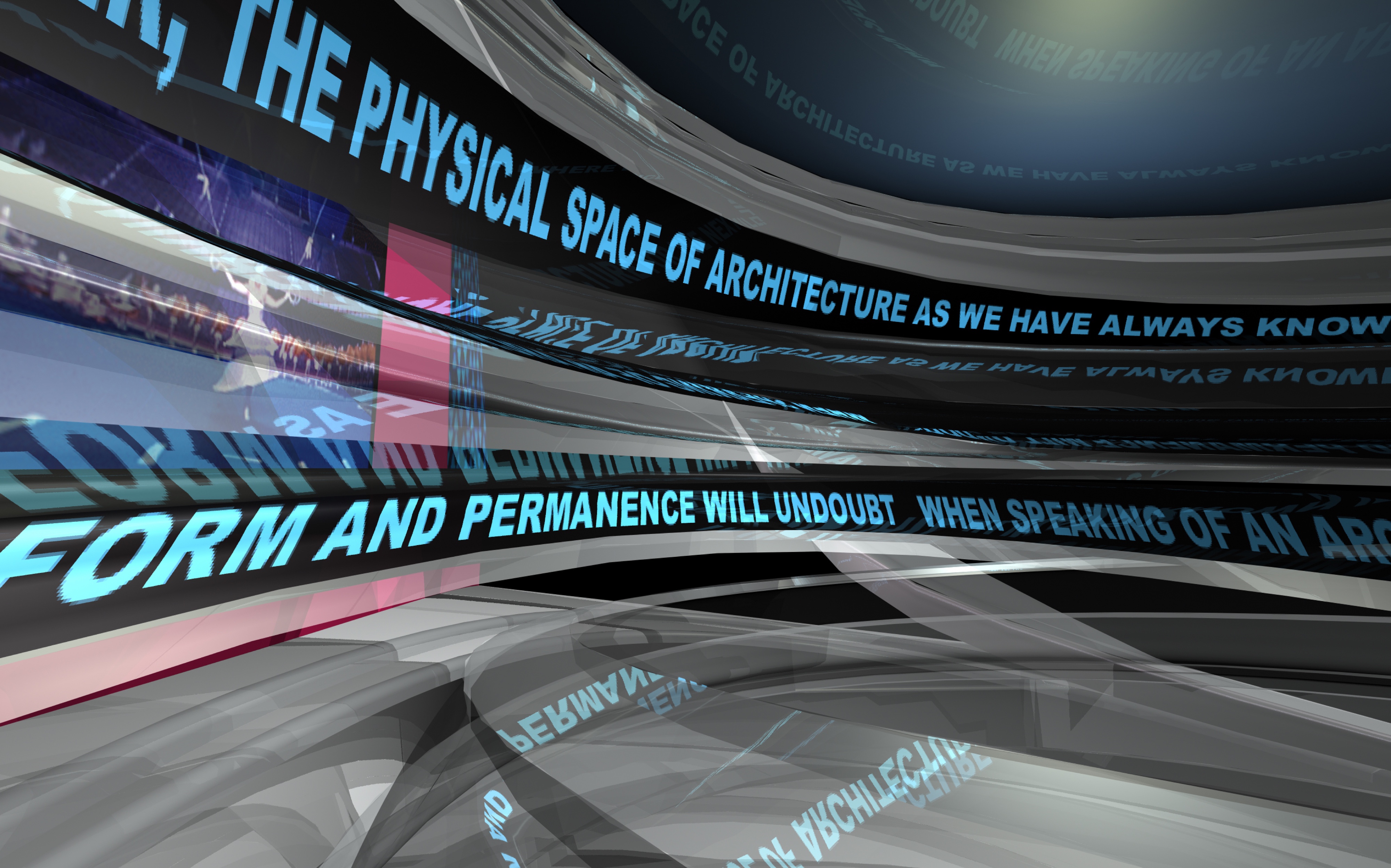
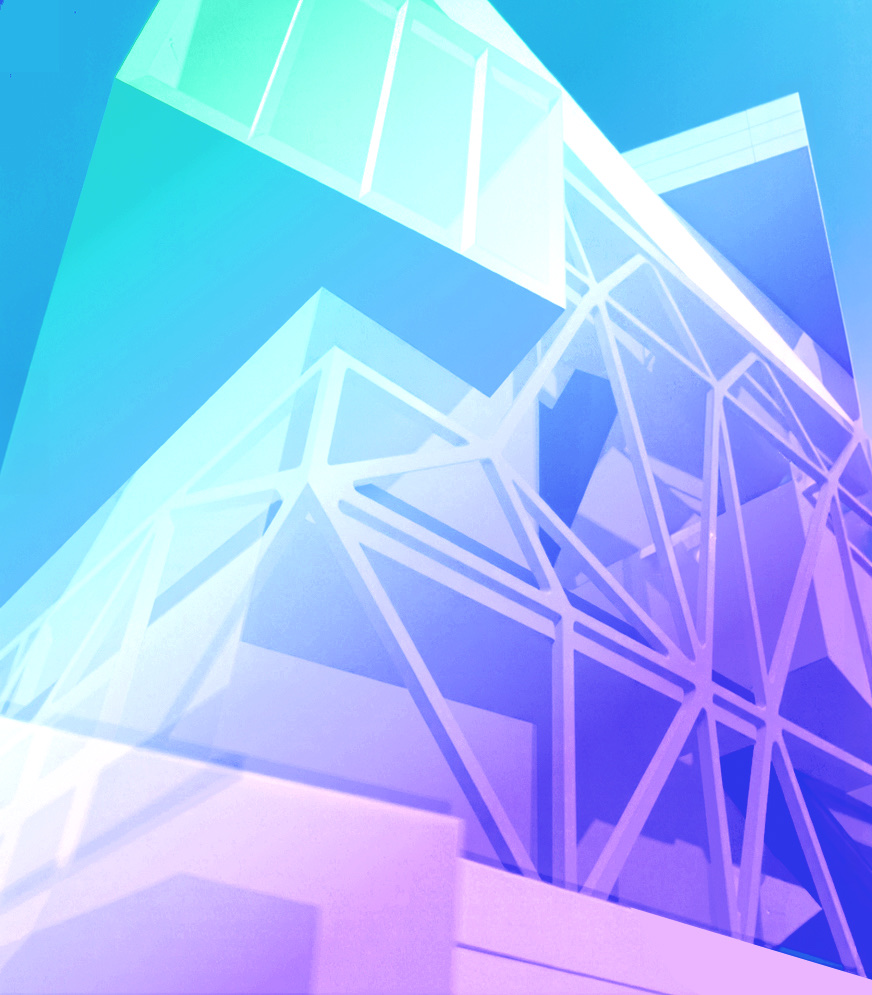
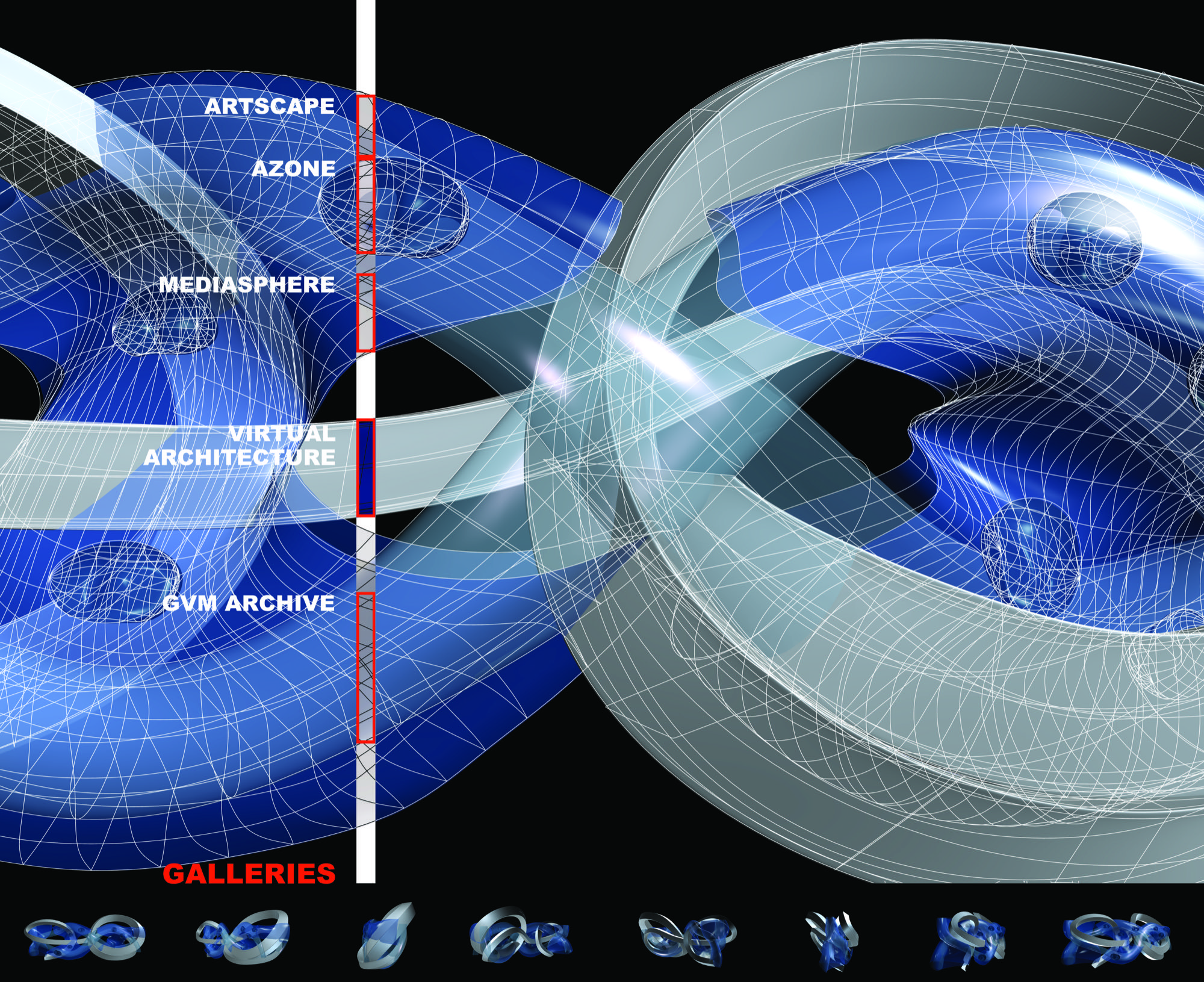
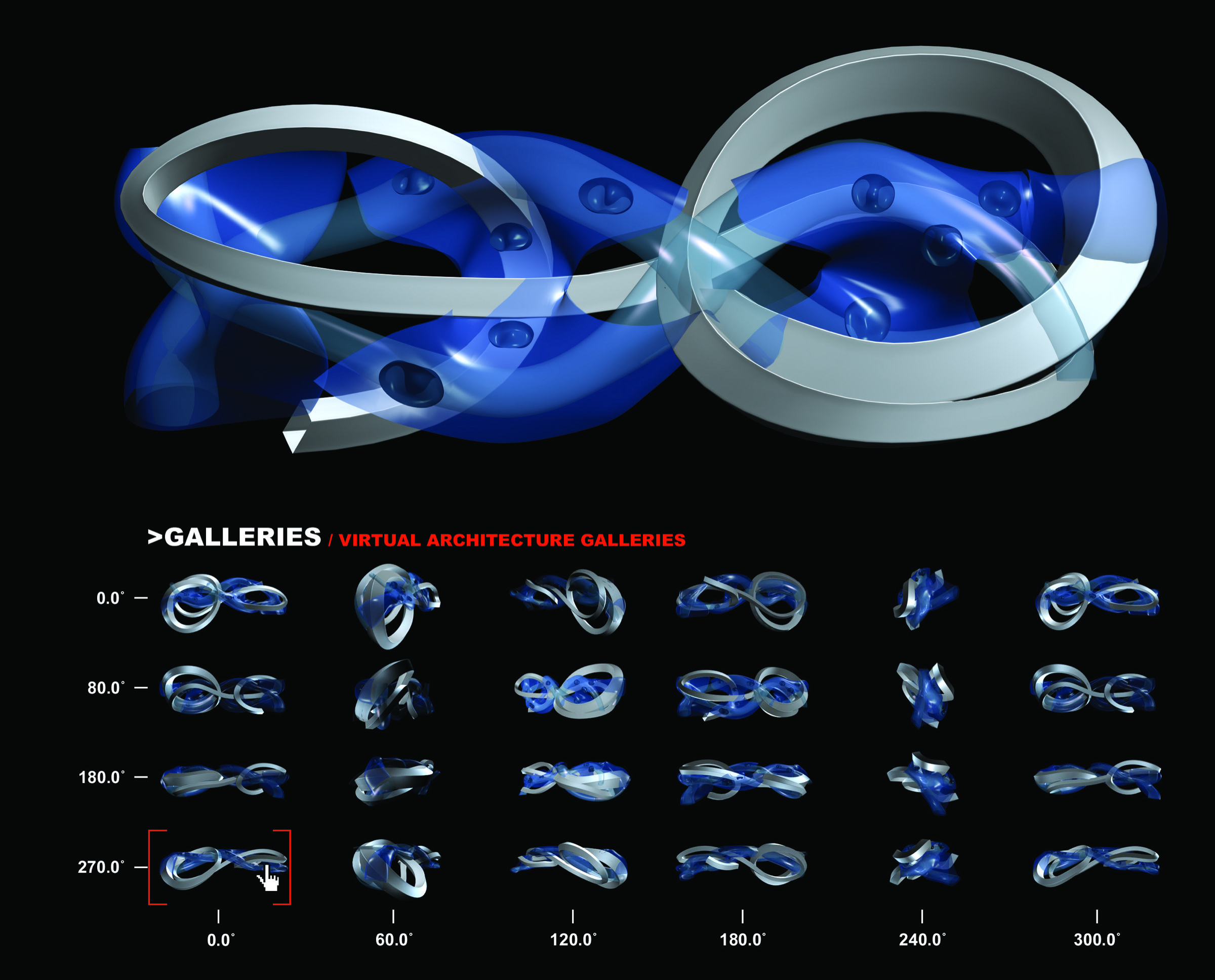
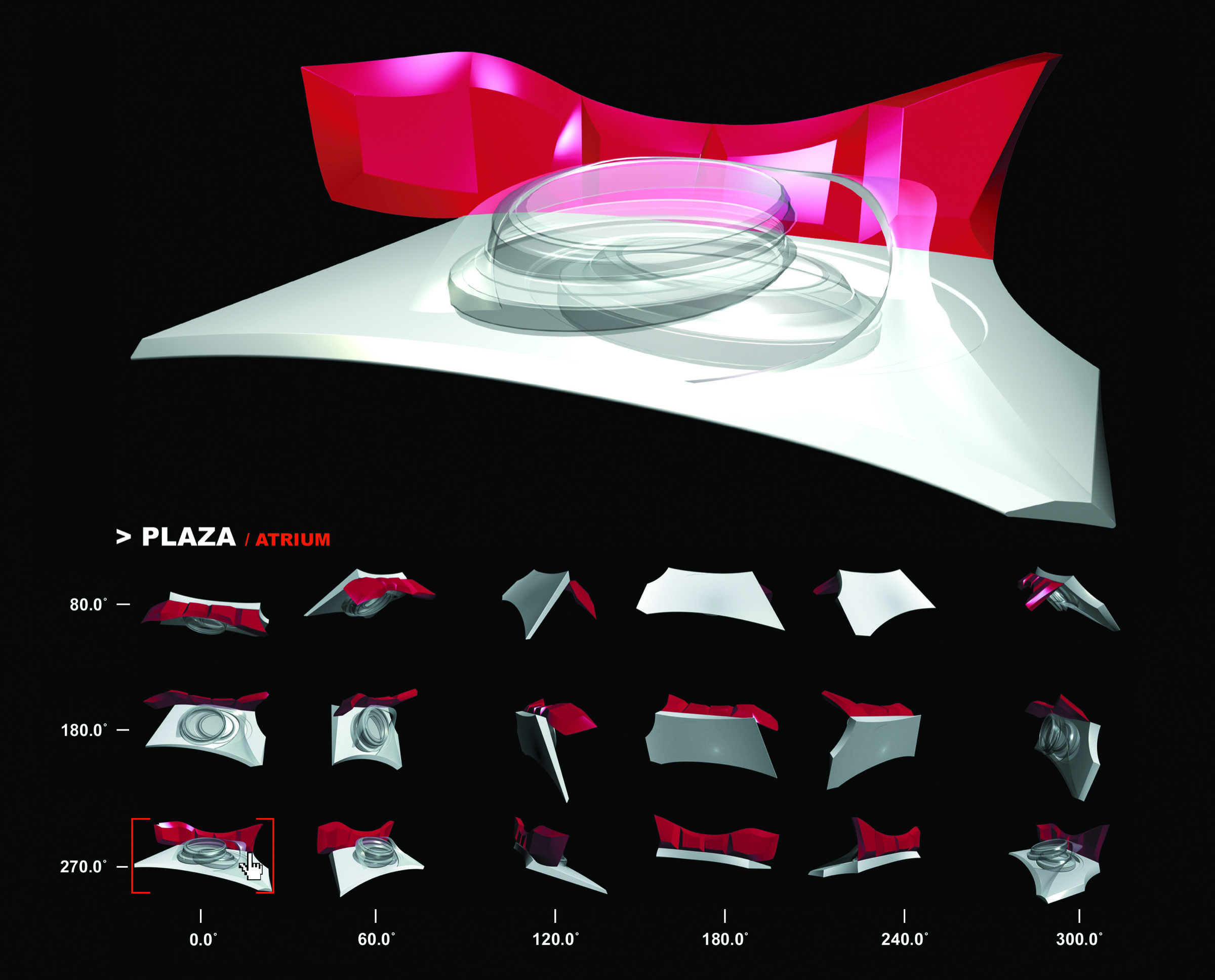
Rather than simulating a physical building in digital space, Asymptote conceived the GVM as an entirely new kind of spatial experience — one that could only exist on the internet. The museum’s form was a flowing, translucent, continuously curving structure whose spiraling geometry loosely referenced Wright’s rotunda while departing radically from it. Visitors could navigate freely through the three-dimensional environment, moving between zones dedicated to art, media, architecture, and the museum’s own growing archive.
The design treated the internet not as a flat information surface but as a genuinely architectural medium — a space to be inhabited, traversed, and experienced spatially. Digital tools, as the designers argued, offered multiple new possibilities for generating forms of abstraction and interaction, allowing users to cross the membrane of the screen and move freely within a virtual world.
Structure and Navigation
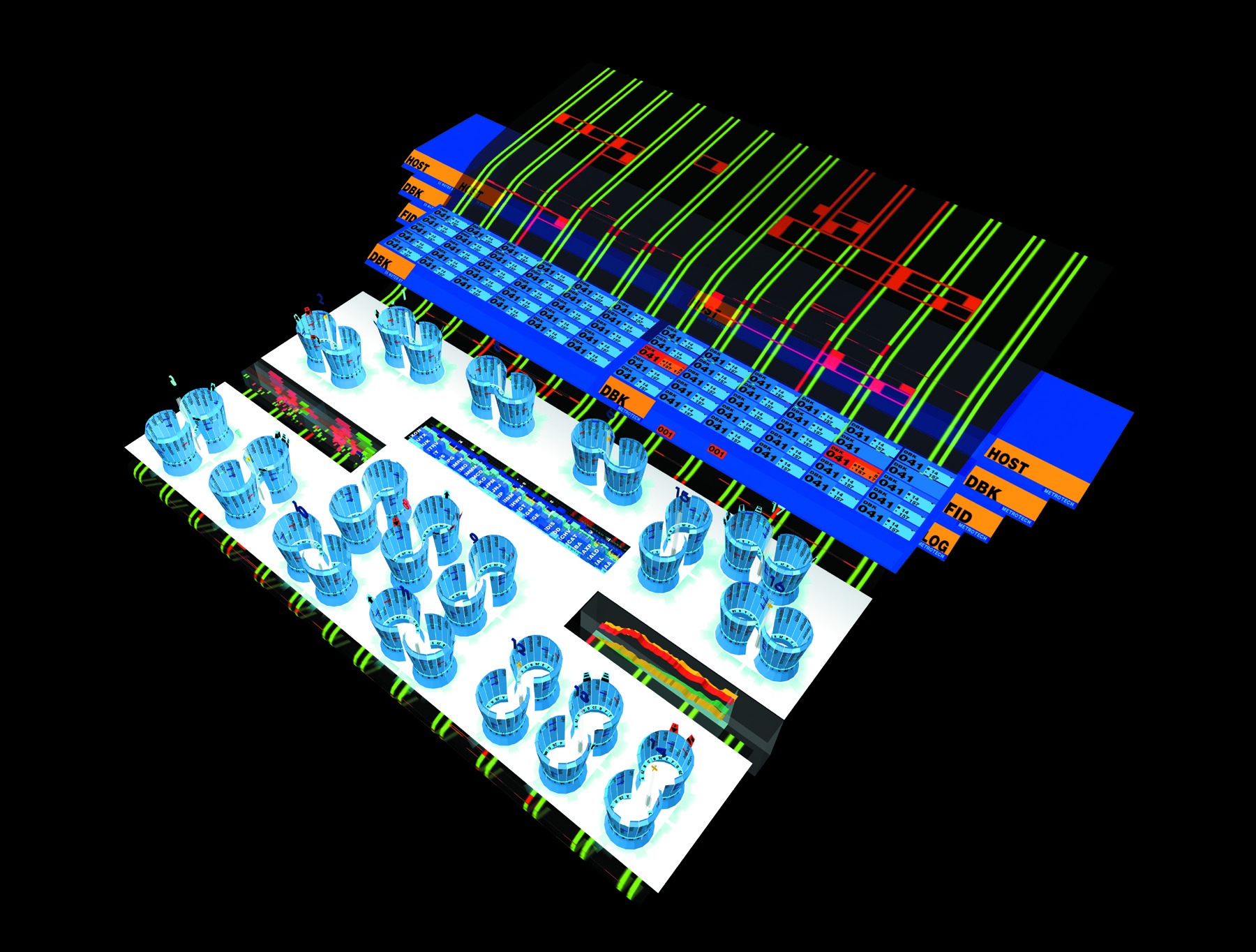
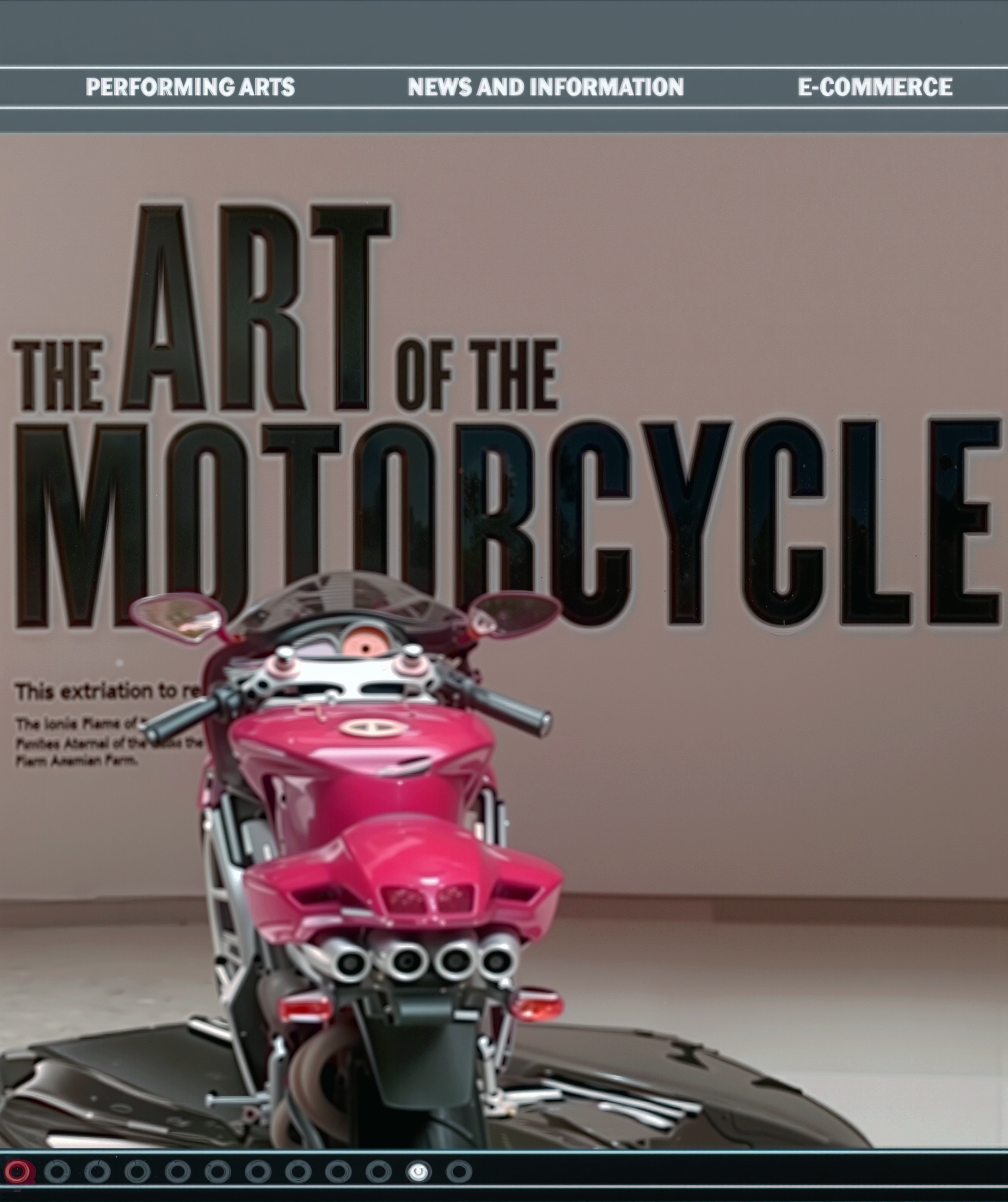
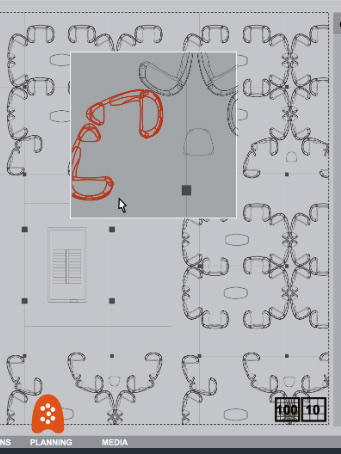
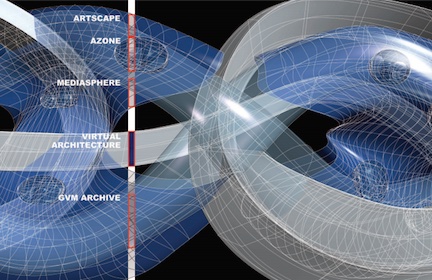
The GVM was organized into five interconnected zones: Artscape, where commissioned digital artworks were exhibited as interactive objects suspended within the spiraling gallery; Azone, a curated portal to emerging internet art; Mediasphere, hosting video, sound, and time-based works; Virtual Architecture, documenting the design of the museum itself; and the GVM Archive, preserving the project’s evolving history. Users entered through a spatial navigation interface that mapped these zones onto the museum’s curving form, each area accessible through intuitive three-dimensional movement rather than conventional web links.
Technology
The virtual museum was developed using VRML (Virtual Reality Modeling Language) and custom software, allowing real-time three-dimensional navigation within a standard web browser — a significant technical achievement at the time. The project pushed the boundaries of what was possible with late-1990s internet infrastructure, anticipating by more than a decade the immersive, spatially navigable environments that would later become commonplace in gaming, metaverse platforms, and virtual exhibitions.
Venice Biennale
The Guggenheim Virtual Museum was presented at the 7th Venice Architecture Biennale in 2000, where it was exhibited alongside Asymptote’s FluxSpace 2.0 installation in the United States Pavilion. The project drew international attention as a landmark proposition — that architecture could exist entirely in cyberspace and that major cultural institutions might expand their spatial programs beyond physical buildings into the emerging digital realm.
Legacy
Although realized as a prototype rather than a permanent online platform, the GVM represented what has been called a turning point in virtual architectural history. It demonstrated that the internet could be treated as a site for genuine architectural invention — not merely a repository for information about buildings, but a medium for building itself. The project remains a touchstone in discussions of digital architecture, virtual museums, and the evolving relationship between physical and computational space. The Bohen Foundation’s support of the project reflected its broader commitment to funding experimental work at the intersection of art, architecture, and emerging technology.
Selected Writing
“Learning from the Virtual” — Hani Rashid, e-flux Architecture (Post-Internet Cities), 2017. Read on e-flux →
![Interior view of the GVM with curving bands of text reading 'the physical space of architecture as we have always know[n]' and 'form and permanence will undoubt[edly] when speaking of an arc[hitecture]'](/images/projects/virtual-guggenheim/gvm-view-01.jpg)