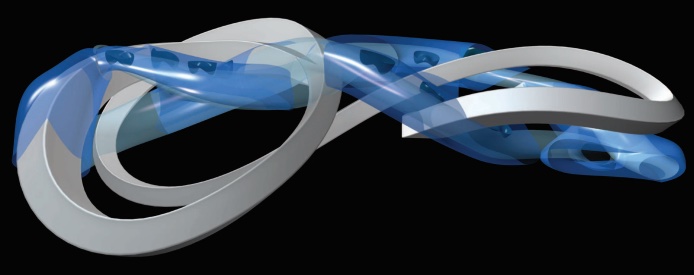
A virtual architecture and art exhibition platform designed through an exclusive partnership between DMINTI and Hani Rashid, creating an immersive cultural institution accessible via VR, AR, desktop, and mobile — continuing Asymptote's pioneering legacy in virtual environments.
Launched in 2022 on the Spatial.io platform, the DMINTI Metaverse emerged from a shared ambition between DMINTI and Hani Rashid to build a purpose-designed cultural institution within the nascent Web3 landscape. Rather than adapting existing gallery conventions to a virtual format, the project was conceived from the ground up as a three-dimensional canvas for digital art — a space where artists and curators could collaborate on works native to the medium, and where collectors could engage with art in ways impossible within physical walls.
Virtual Architecture
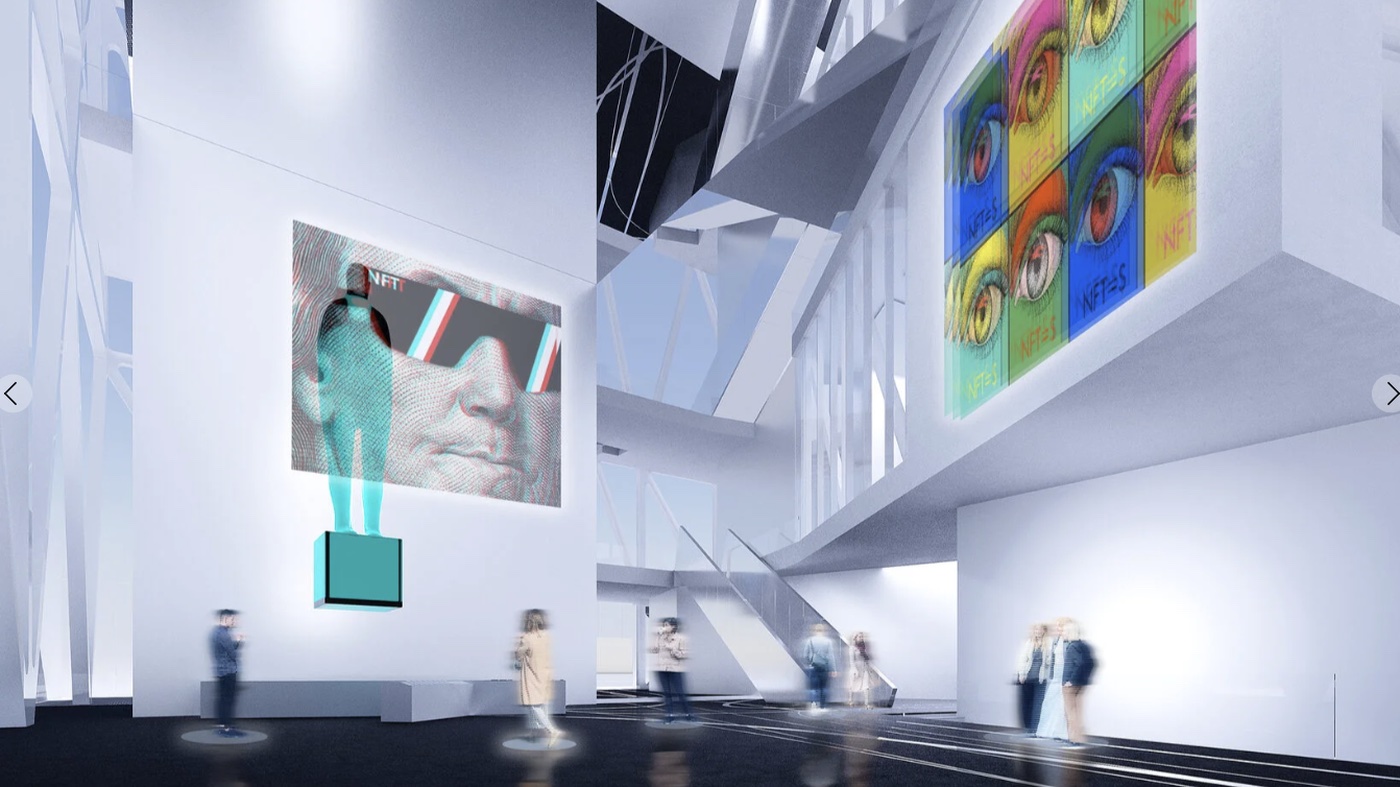
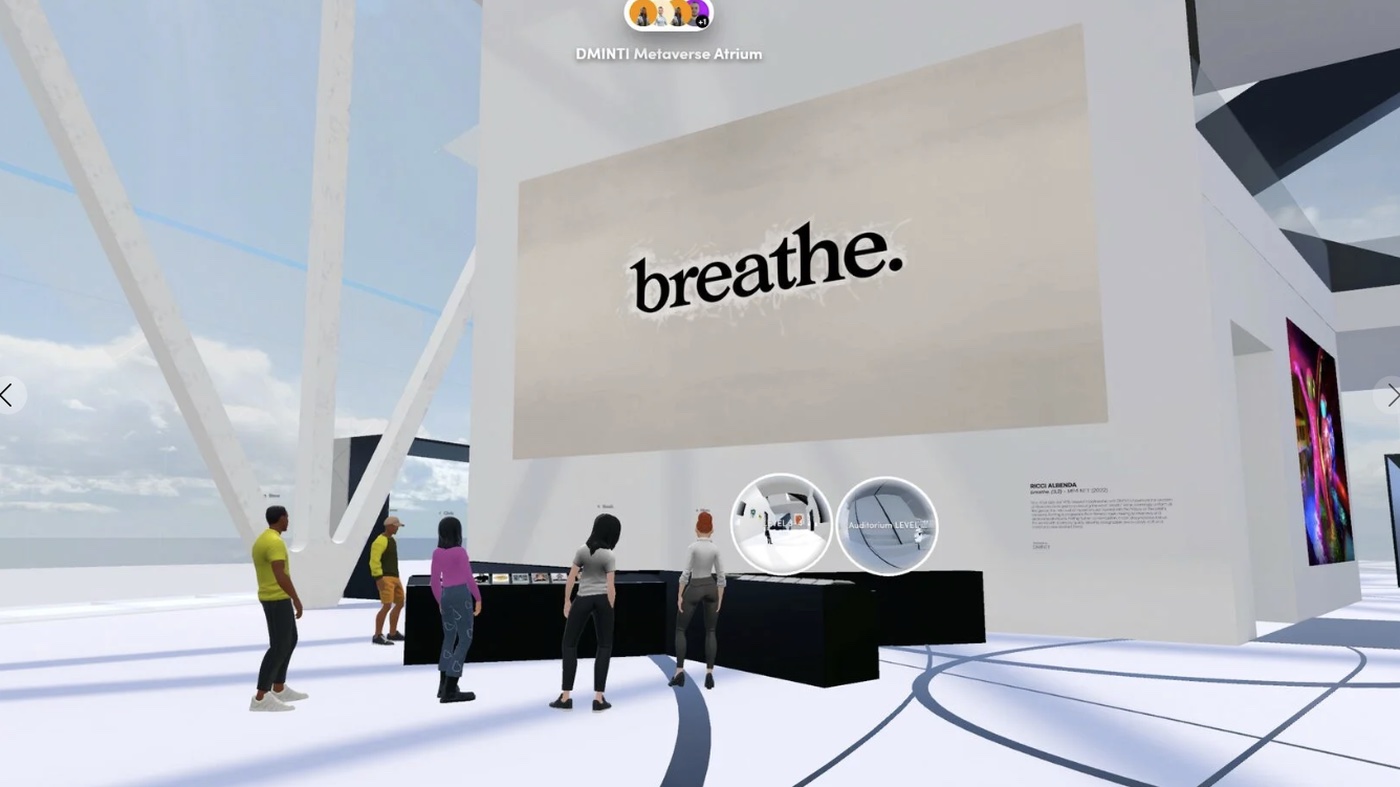
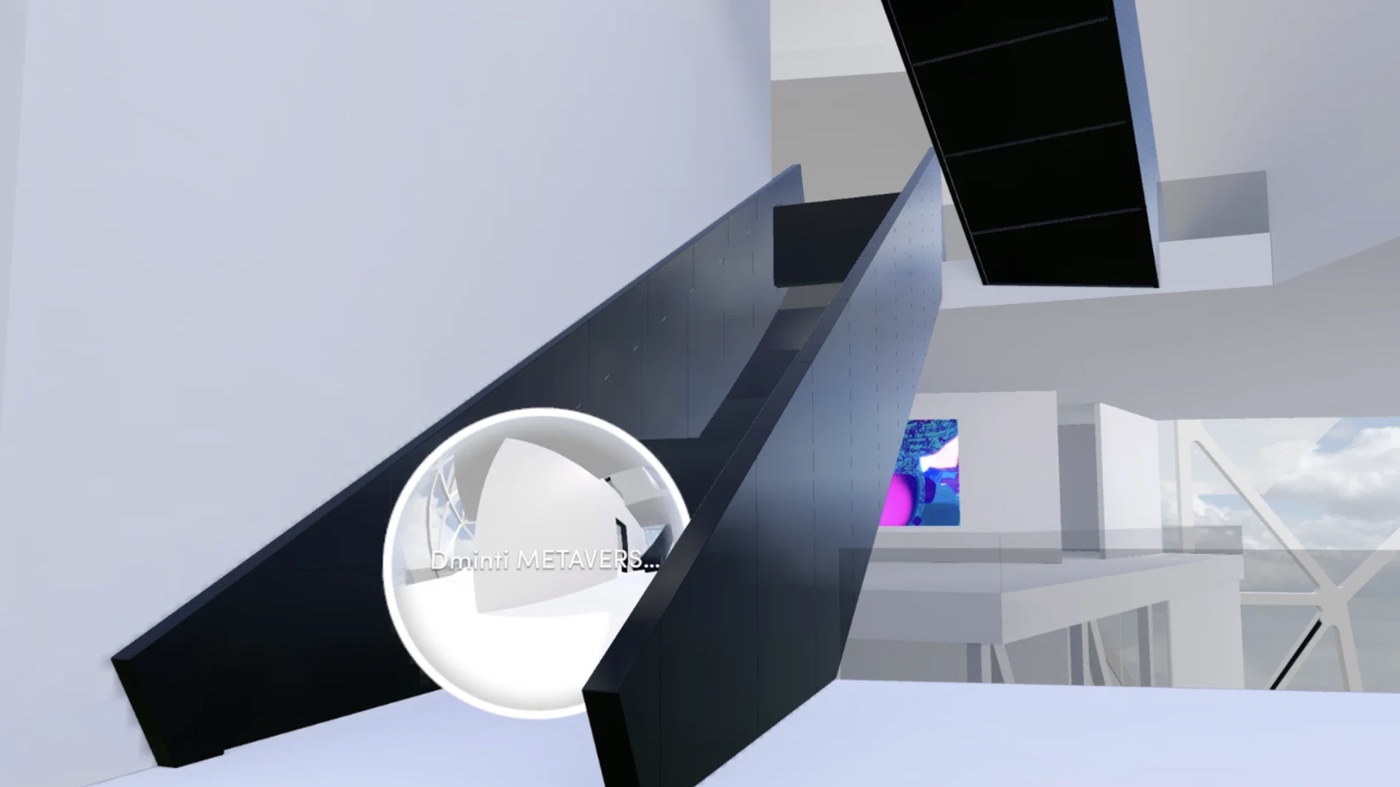
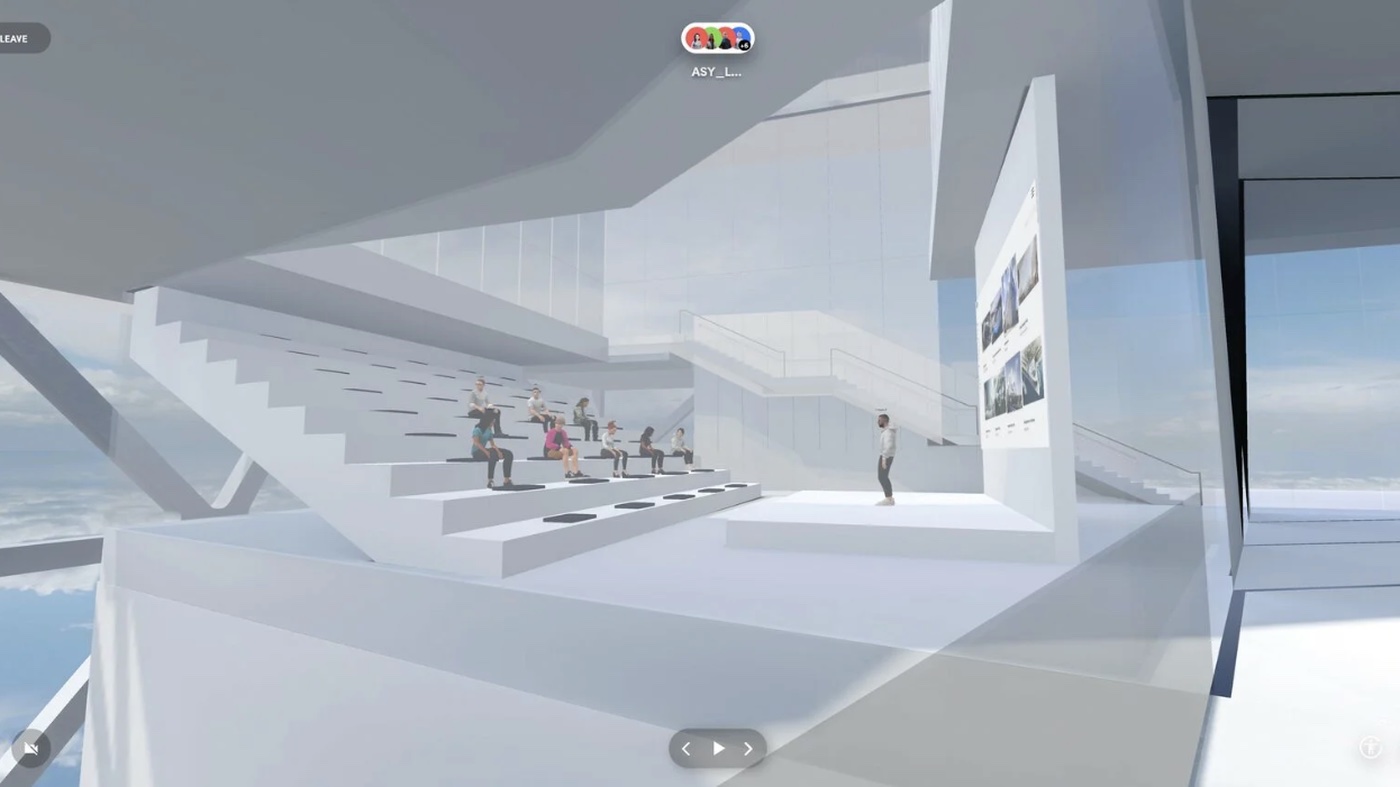
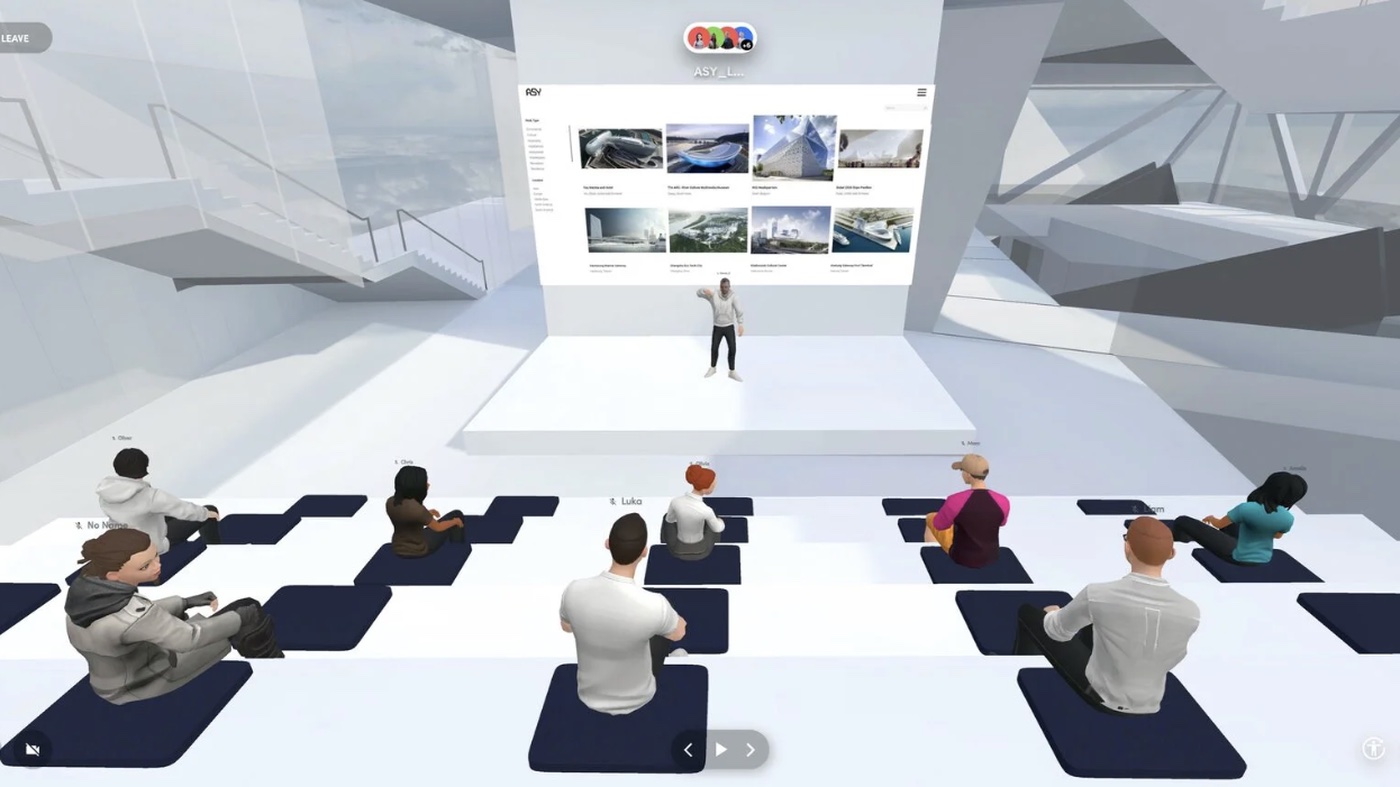
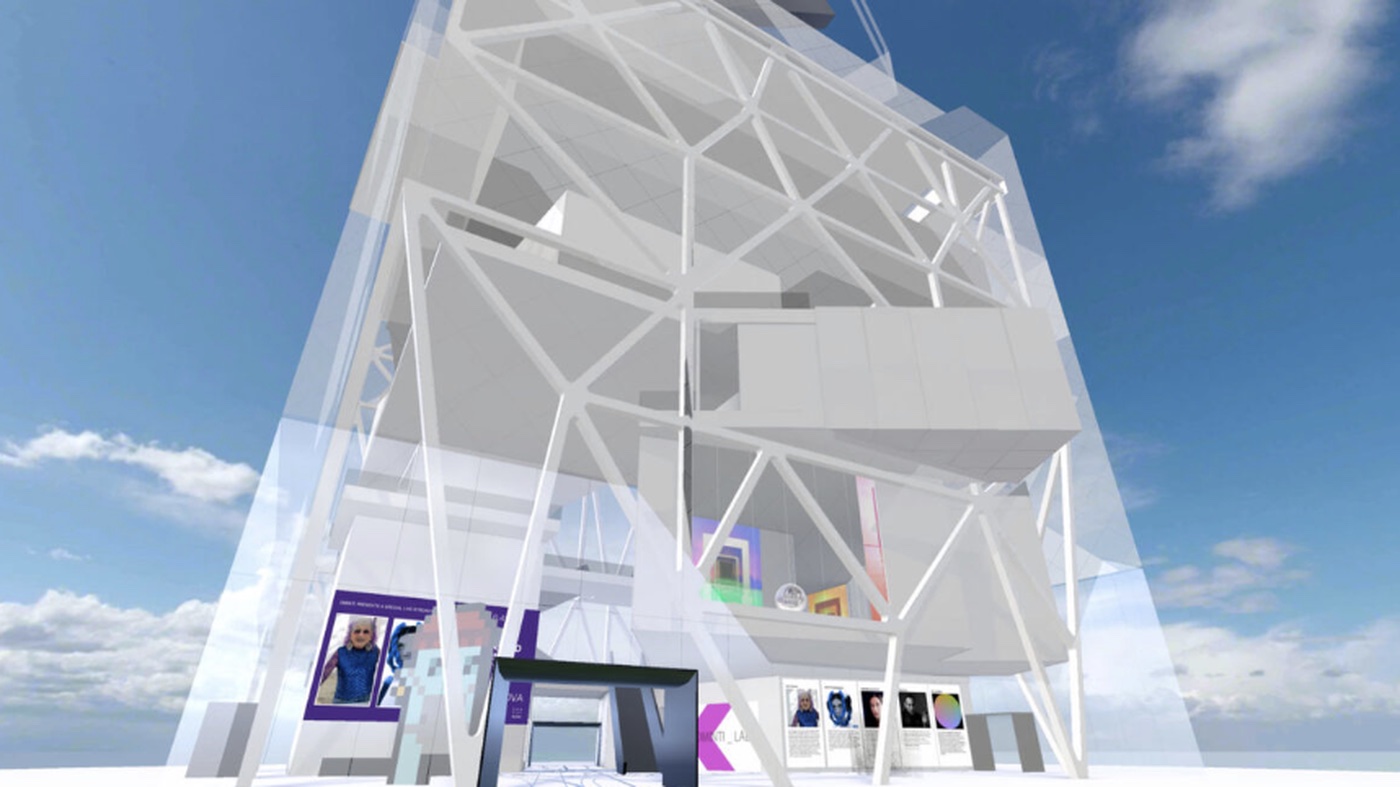
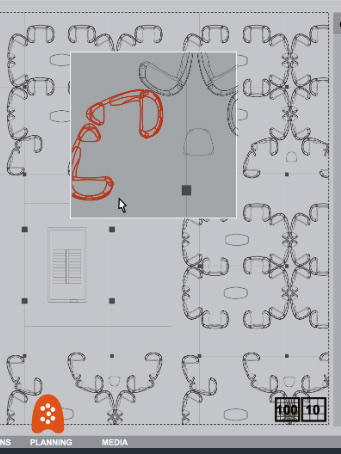
The metaverse environment is structured as a multi-level virtual building composed of arched colonnades, open-air galleries, and processional spaces that recall classical architectural typologies reinterpreted through computational design. Accessible on the Spatial.io platform via mobile, desktop, and VR headsets, the architecture provides a democratized point of entry for broad communities of multidisciplinary artists and creatives dedicated to digital experimentation.
Exhibition Program
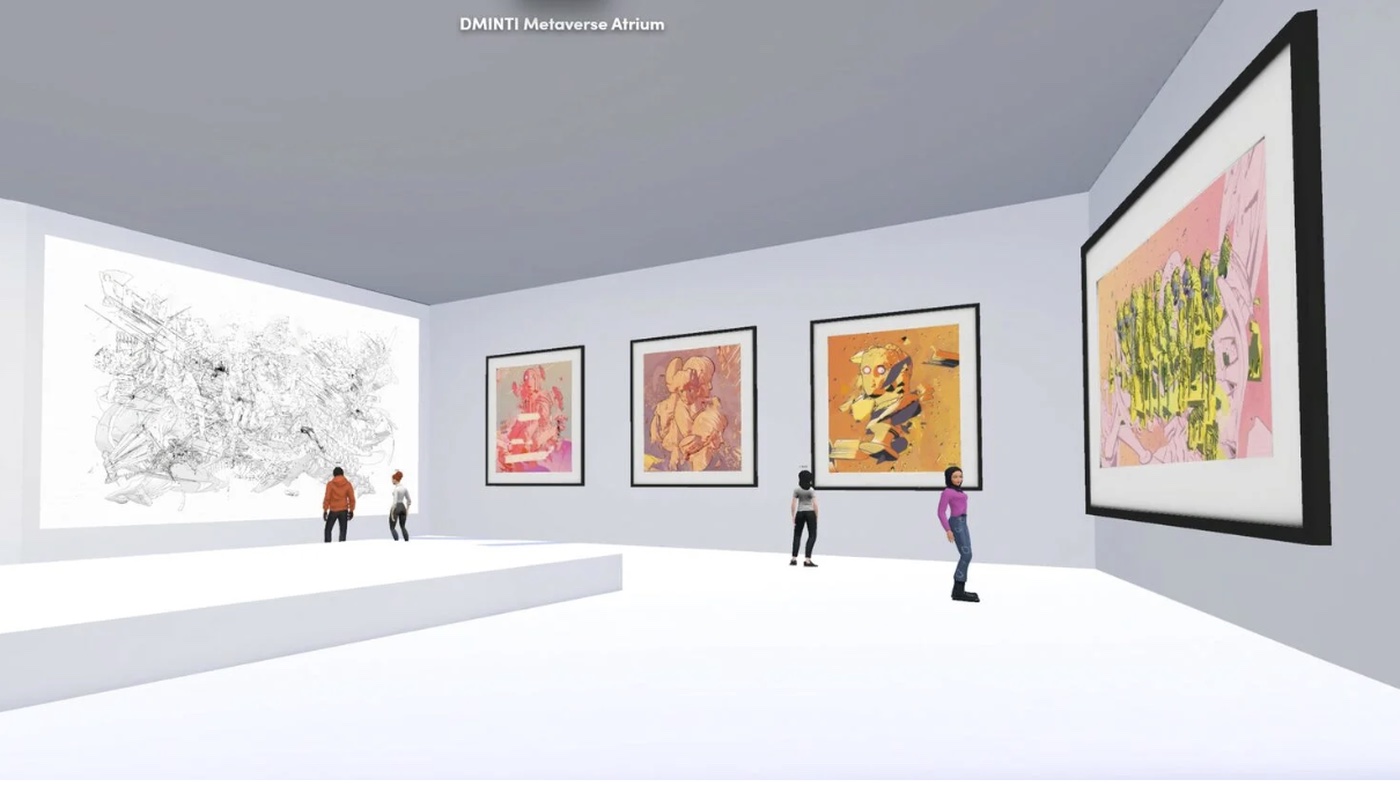
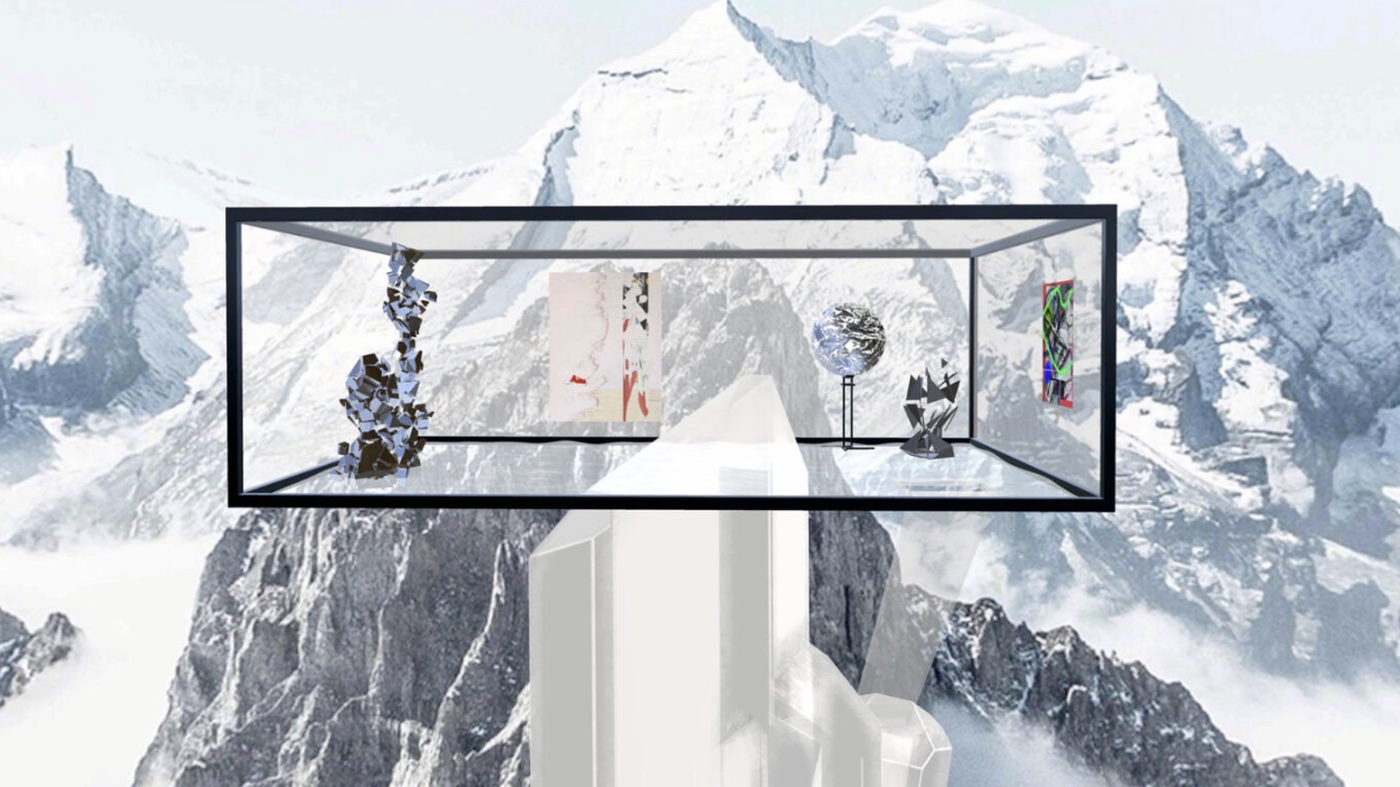
The DMINTI Metaverse features a rotating program of digital art exhibitions across multiple formats: dedicated Artist Exhibitions by figures including Sarah Meyohas, Pindar Van Arman, and Ricci Albenda; weekly Metaverse Mondays hosting conversations with artists and curators including Carla Gannis, Magnus Resch, and Federico Solmi; and DMINTI Thursdays featuring emerging digital practitioners and collectives such as ASYNC Art and Dada.art.
Continuing Legacy
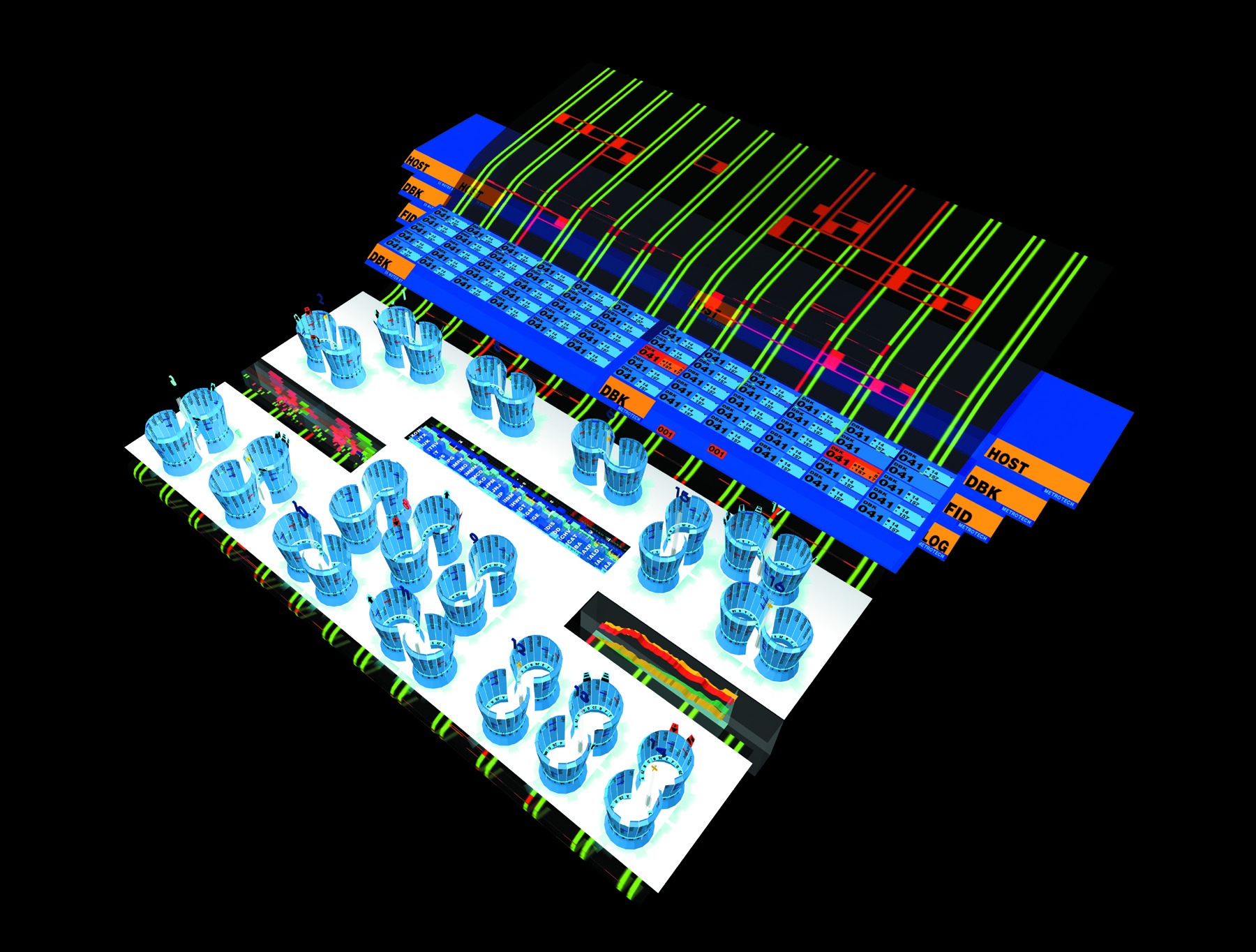
The project extends Asymptote’s pioneering history with virtual architecture — a lineage that includes the NYSE Virtual Trading Floor of 1999 and the Guggenheim Virtual Museum of 2000 — into the contemporary metaverse landscape, applying over two decades of experience in designing navigable digital environments to the emerging domain of Web3 and immersive art.