Sport · 2010 · Competition
National Sports Hall
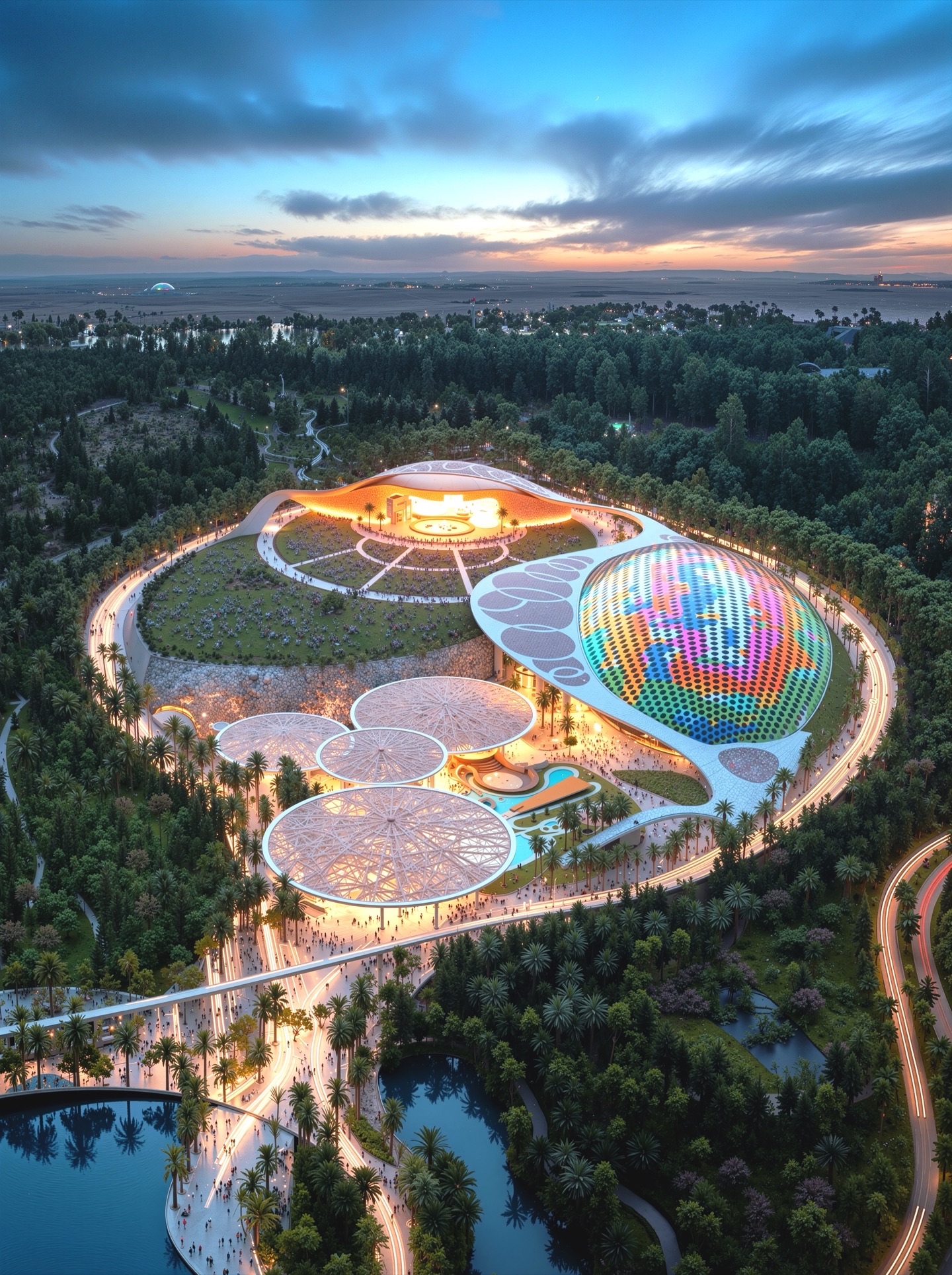
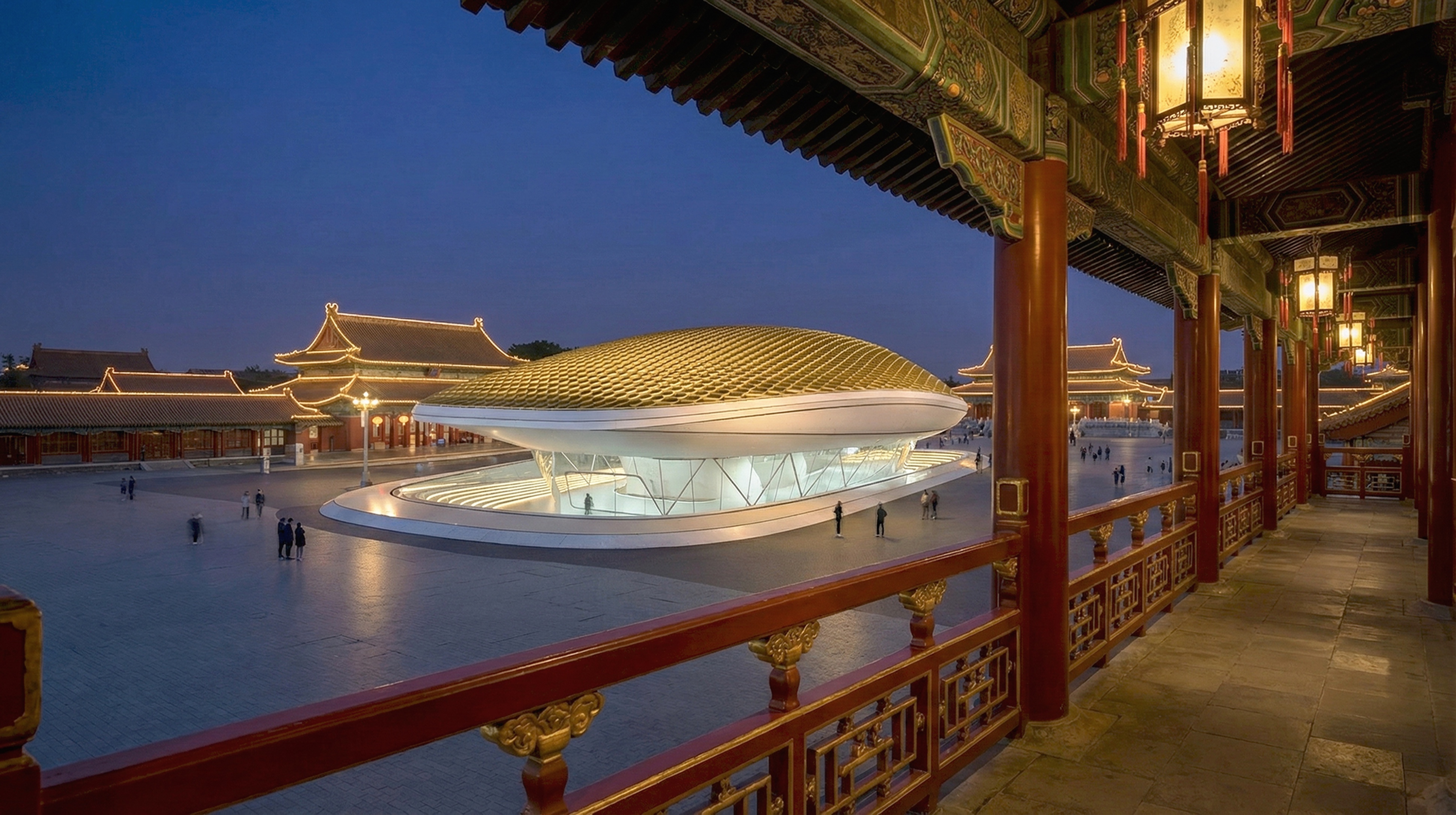
A contemporary civic venue positioned within the historic context of Beijing's Forbidden City precinct, a modern sports and event facility that interprets traditional Chinese architectural principles through contemporary spatial language while responding to one of China's most significant historical landscapes.
About the project
Siting a major sports and events facility within the immediate precinct of the Forbidden City demanded an architecture of restraint as much as ambition. The competition entry negotiates the tension between a large-span arena program and one of the most culturally sensitive urban contexts in China, where building heights, rooflines, and material palettes are governed by centuries of precedent.
Form & Heritage
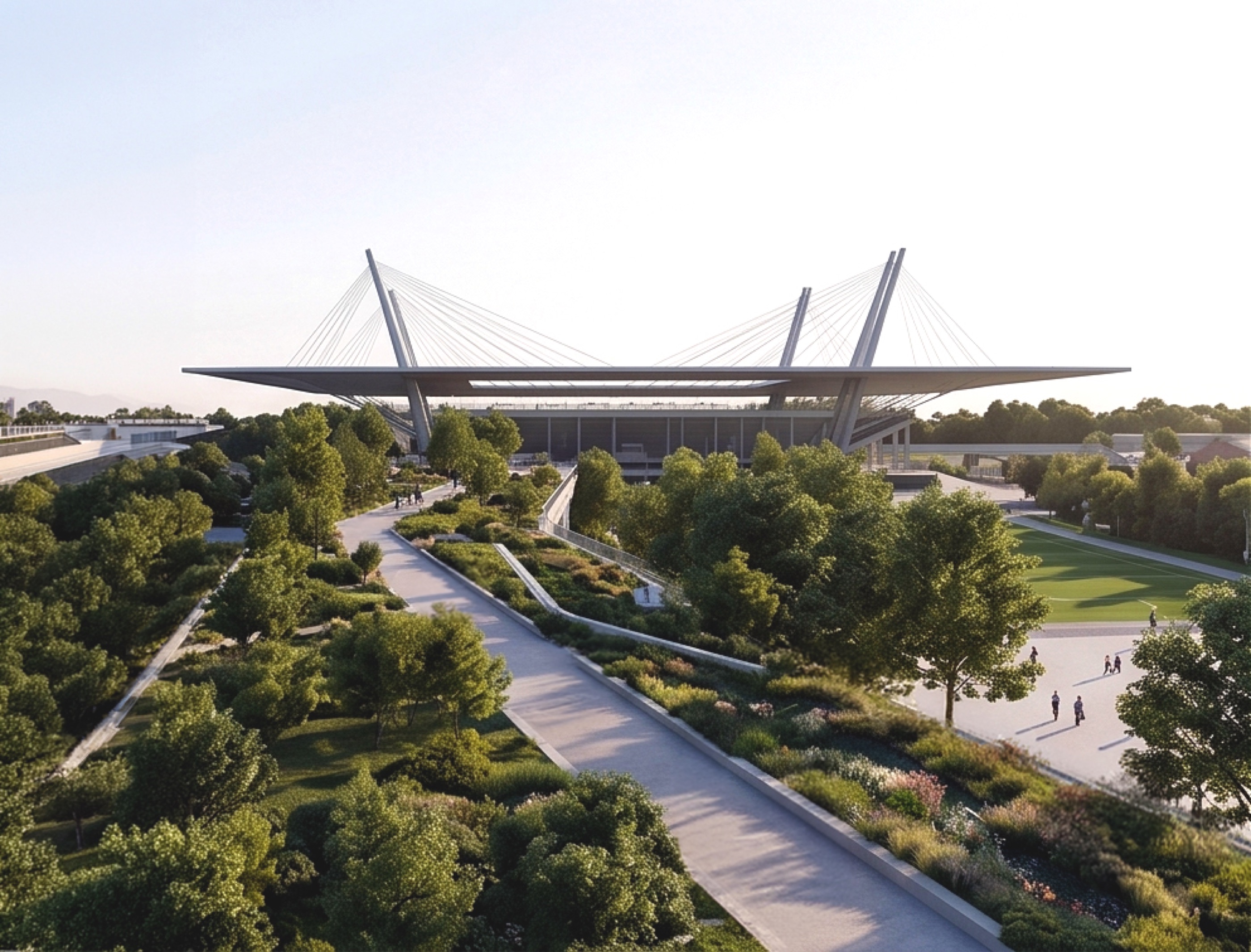
The design interprets traditional Chinese architectural principles through a contemporary spatial language. The building’s form emphasizes horizontal layering and carefully articulated roof geometry, echoing the compositional order and proportional clarity of historic palace architecture while introducing modern structural systems and materials.
Arena & Public Space
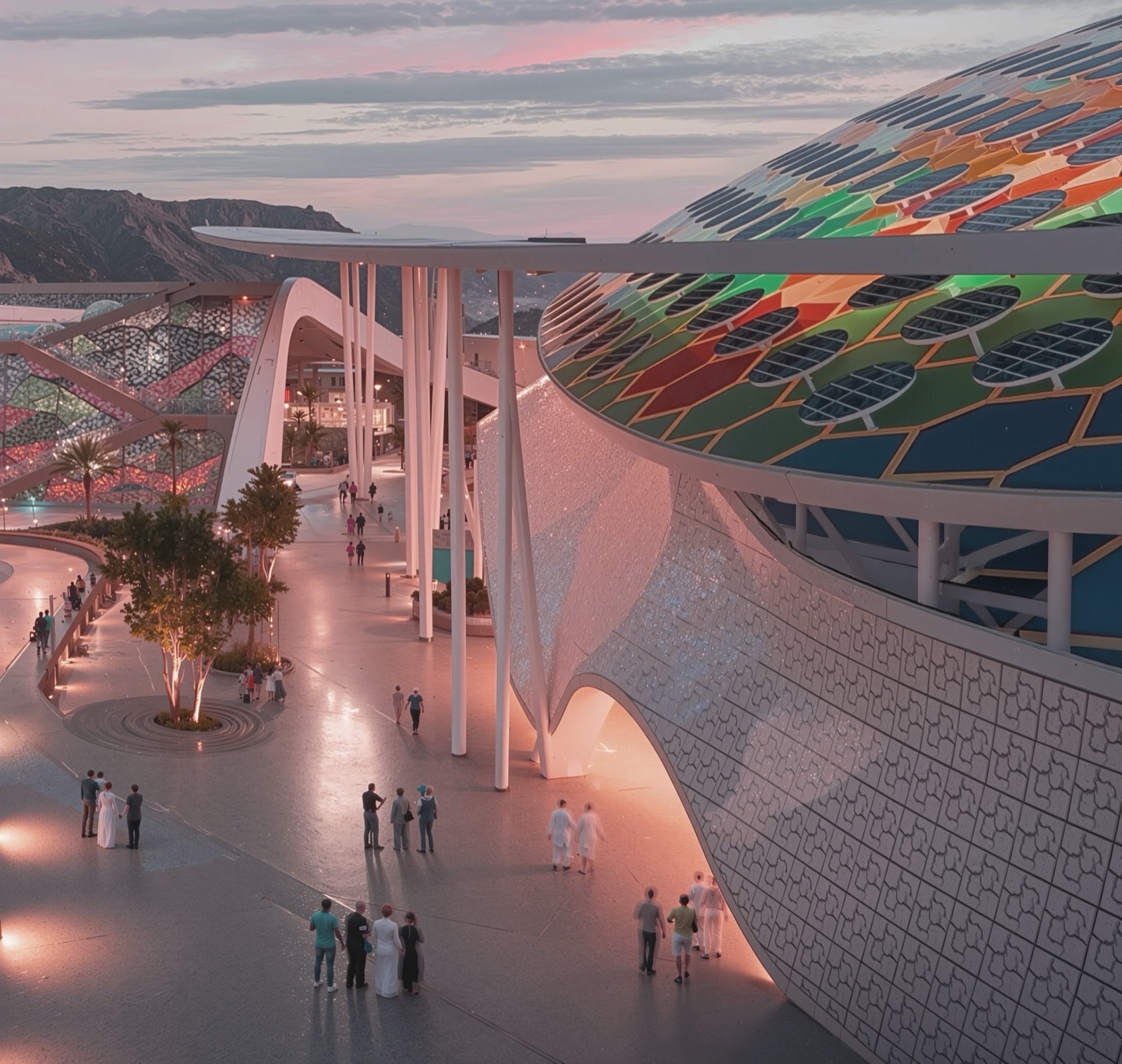
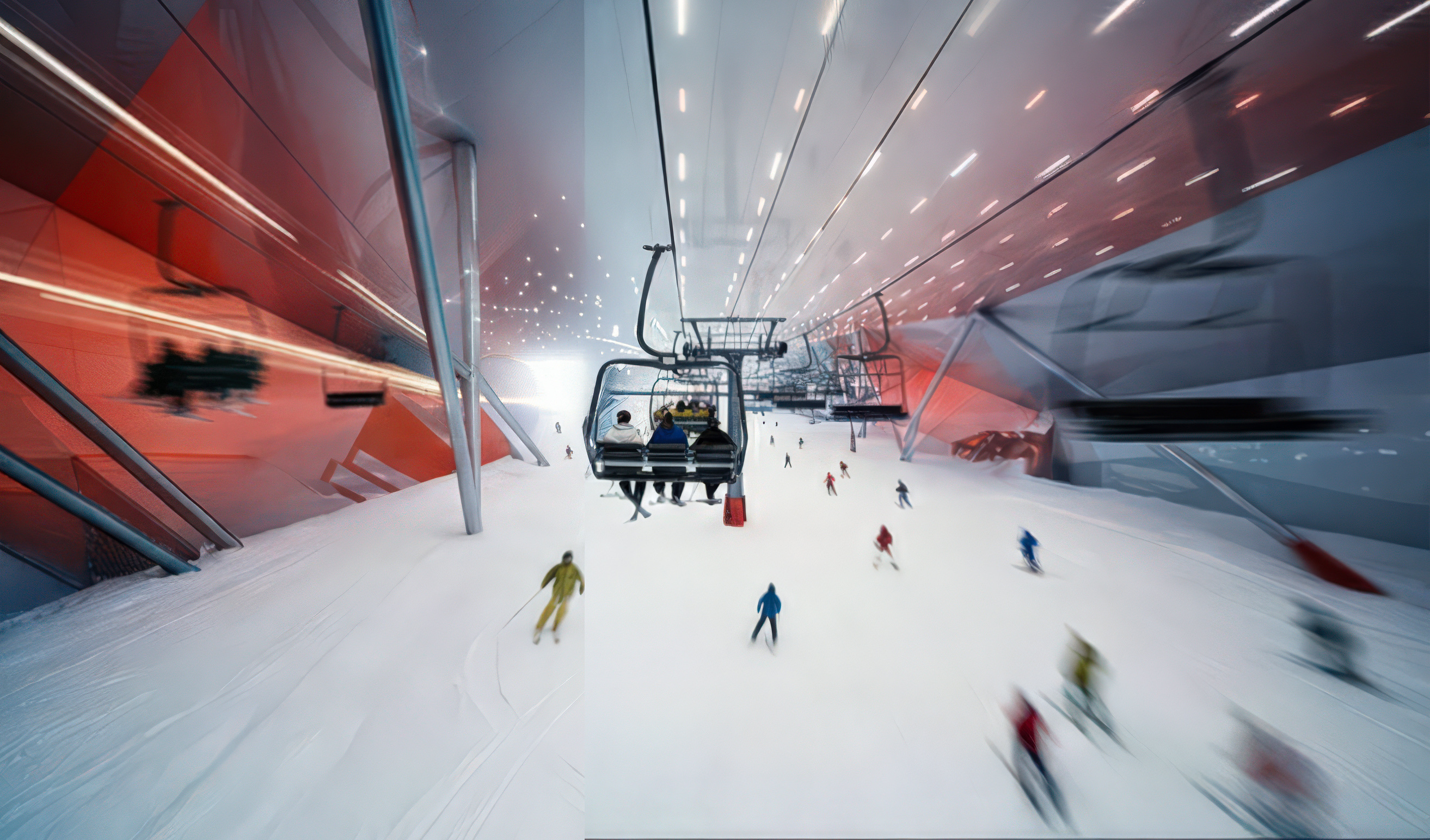
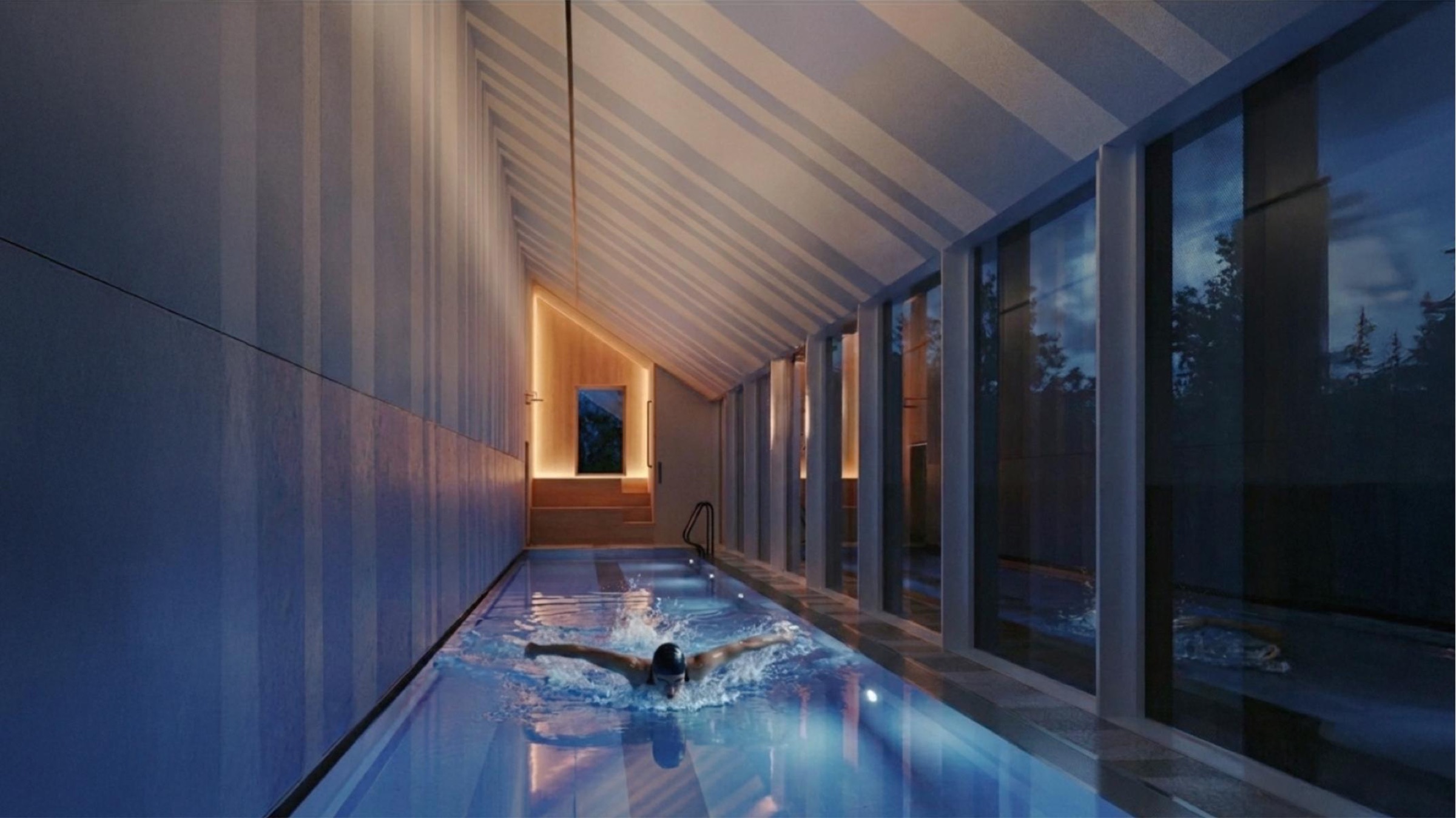
Interior spaces are organized around a large multi-purpose arena capable of hosting national sporting events, cultural performances, and civic gatherings. Circulation spaces and public foyers are designed as open gathering environments that connect the arena to surrounding plazas and landscaped courtyards.
Civic Landmark
The architecture balances monumentality and restraint, establishing a civic landmark that respects the historic setting while projecting a forward-looking vision for Beijing’s contemporary cultural and sporting infrastructure.