Museums · 1995 · Competition
Korean National History Museum
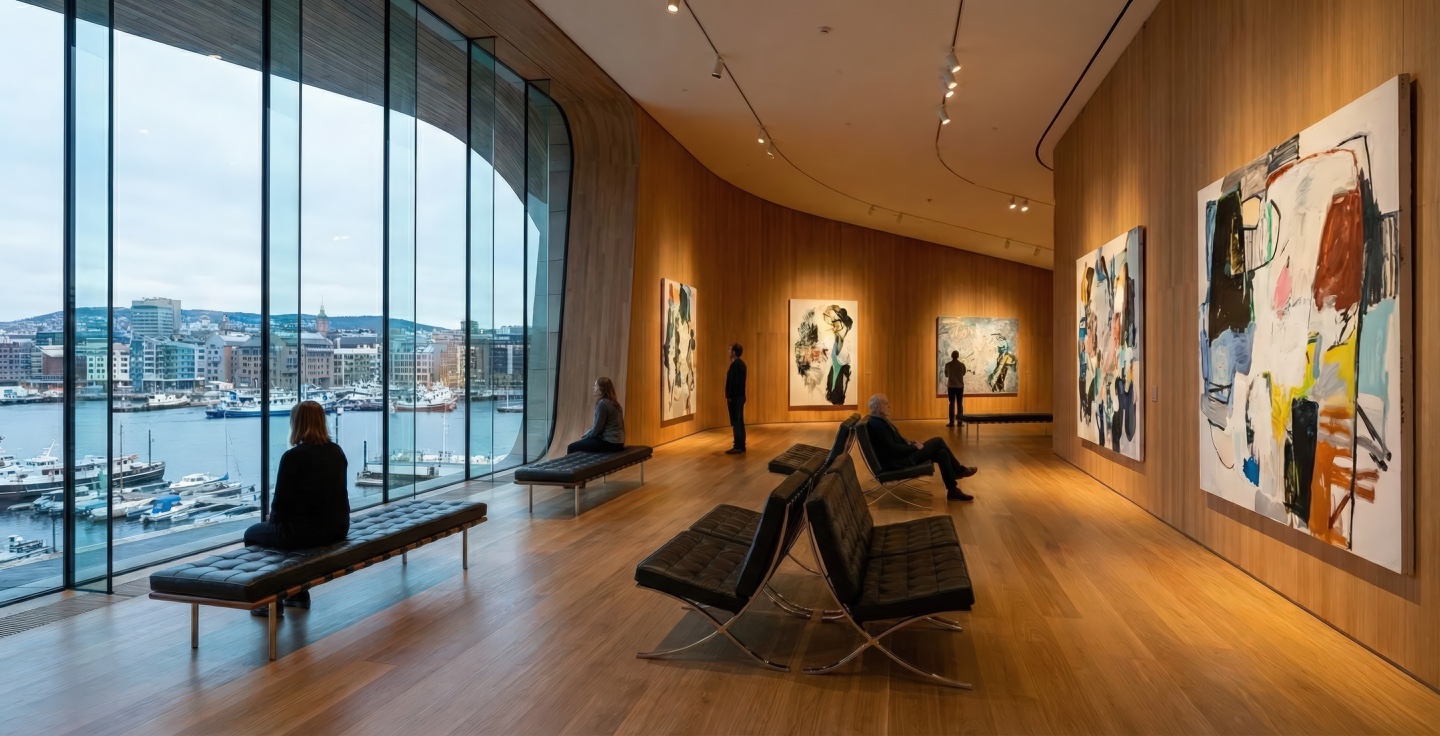
A monumental cultural institution conceived as a dialogue between past and present, the Korean National History Museum weaves angular stone masses and expansive glass surfaces into a civic landmark that frames Seoul's historical collections within naturally lit, contemplative gallery spaces.
About the project
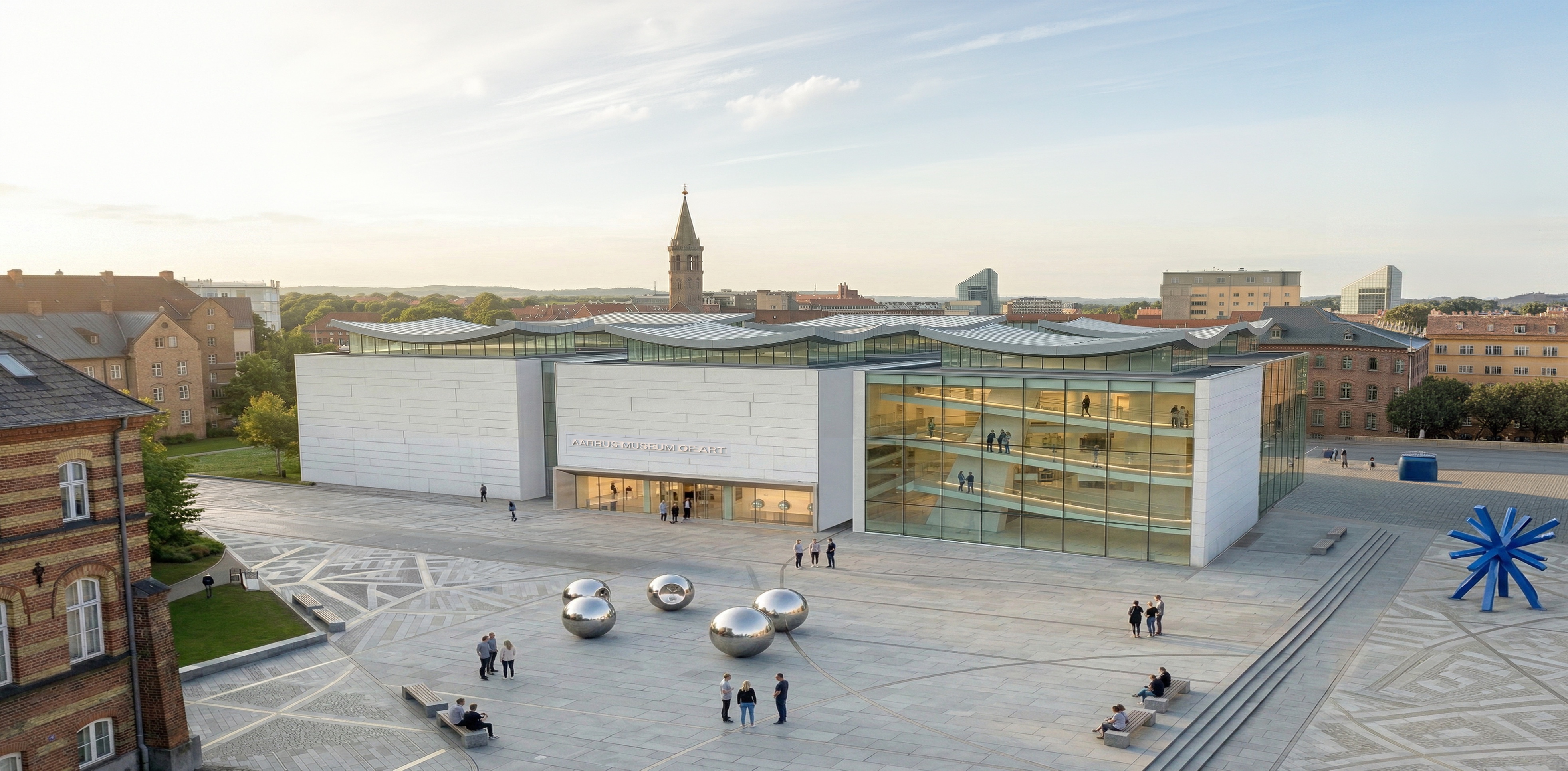
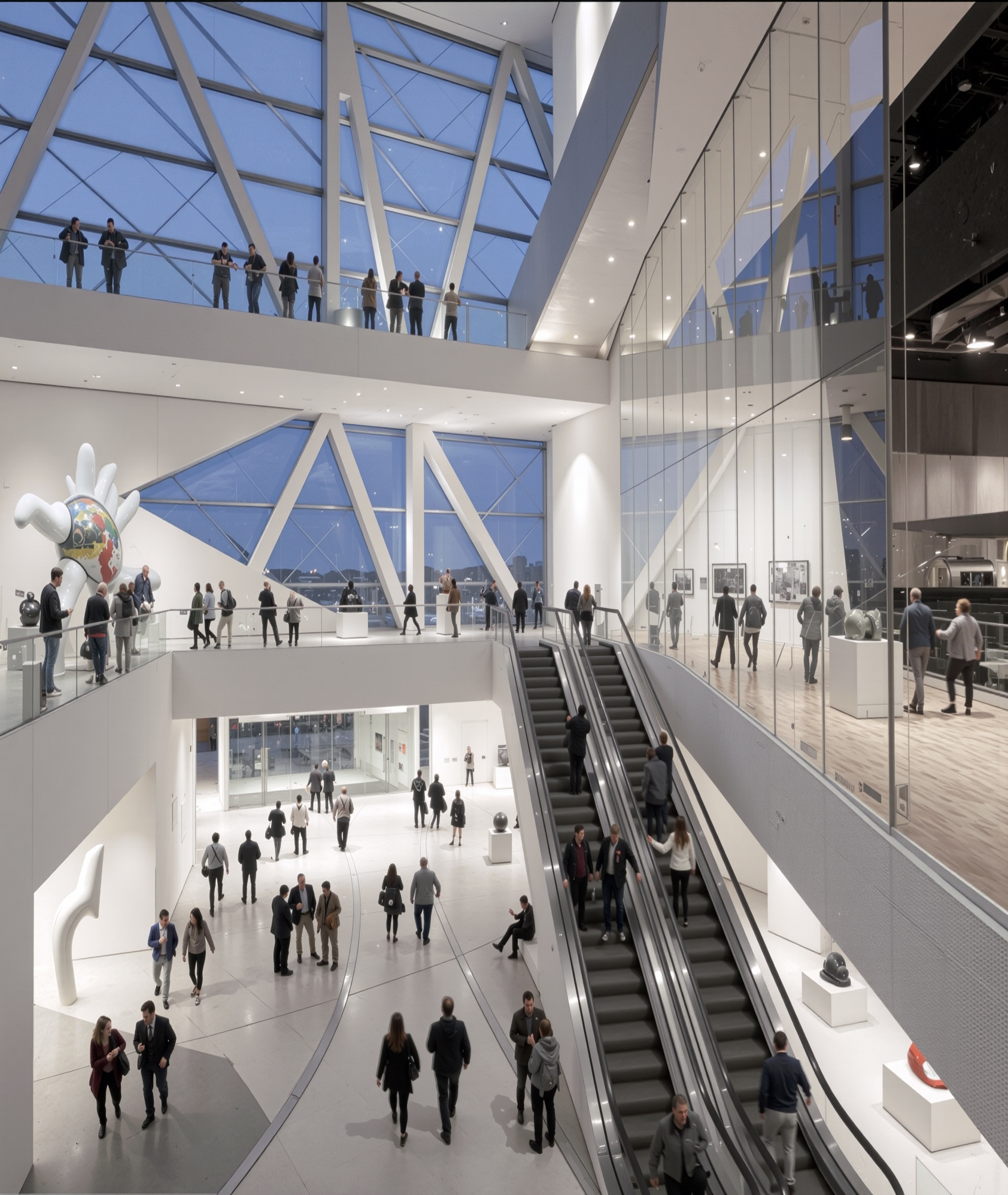
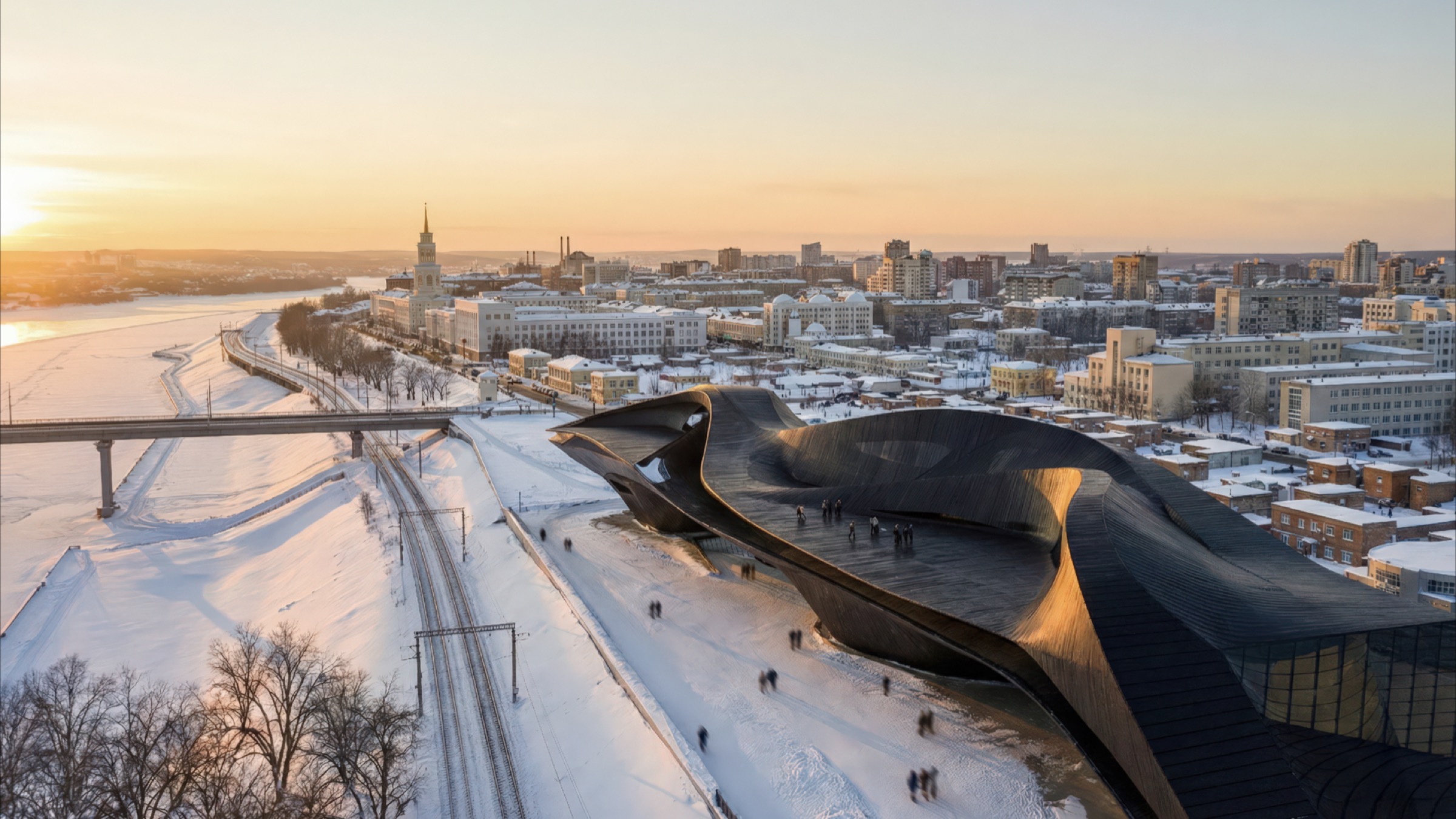
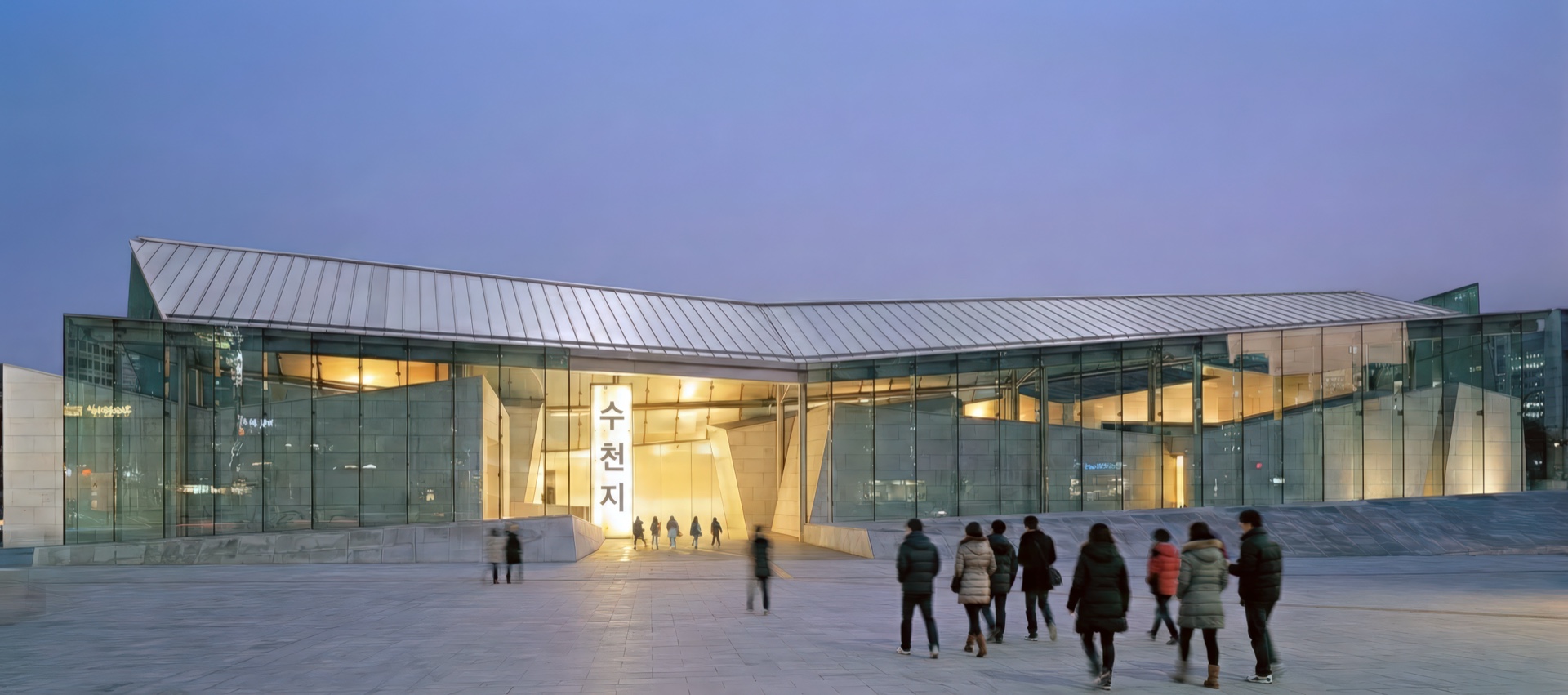
Submitted in 2015 for a prominent site at the heart of Seoul, the competition entry draws its formal language from the folded ridgelines of the Korean mountain landscape. The building is organized as a series of interlocking stone and glass volumes that rise from a broad civic plaza, their angular geometries calibrated to house the nation’s historical collections across painting, ceramics, sculpture, and material culture. A generous entrance court draws visitors beneath a dramatic canopy and into a luminous central atrium that serves as the primary orientation space, connecting all major exhibition wings.
Galleries & Light
The interior architecture is defined by soaring gallery halls clad in warm sandstone panels, shaped by tilted walls that open upward to continuous skylights running the length of each wing. These top-lit spaces provide even, diffused natural illumination ideal for displaying sculpture, ceramics, and historical artifacts. The largest hall is conceived as a monumental processional corridor flanked by towering stone piers and floor-to-ceiling glass walls, creating an immersive setting for large-scale Buddhist and guardian figures drawn from Korea’s rich sculptural heritage.
Exterior & Landscape
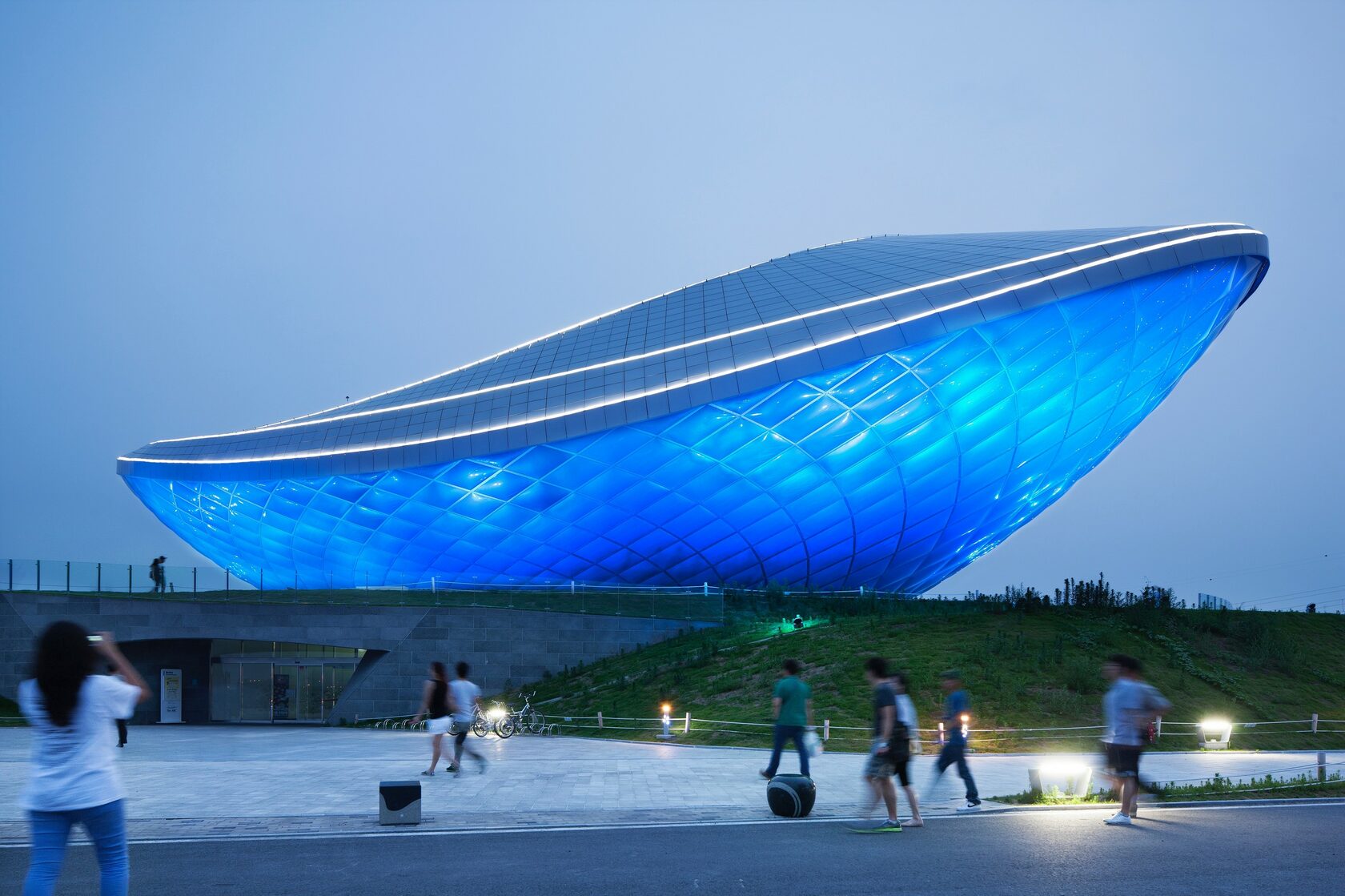
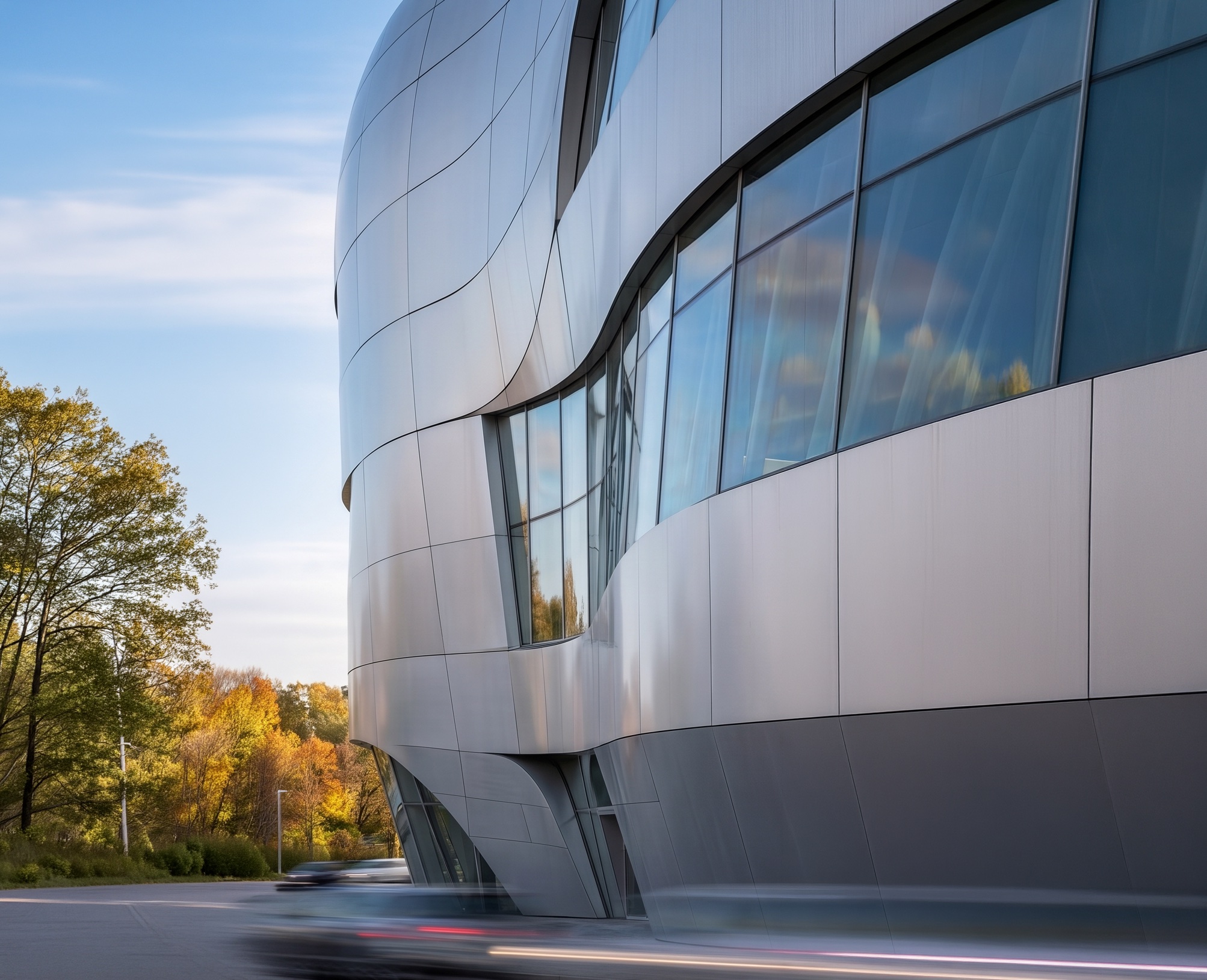
The exterior expression balances massiveness with transparency. Heavy stone bases anchor the building to the ground plane while faceted glass curtain walls dissolve the upper volumes into reflections of sky and city. At dusk, the interior illumination transforms the museum into a glowing lantern on the urban landscape, its warm light radiating outward through the glass envelope as an invitation to the public. A timber-framed outdoor terrace extends the visitor experience into a sheltered open-air gallery, reinforcing the project’s commitment to integrating architecture, landscape, and the cultural narrative of Korean history.