Incubator Accelerator Campus
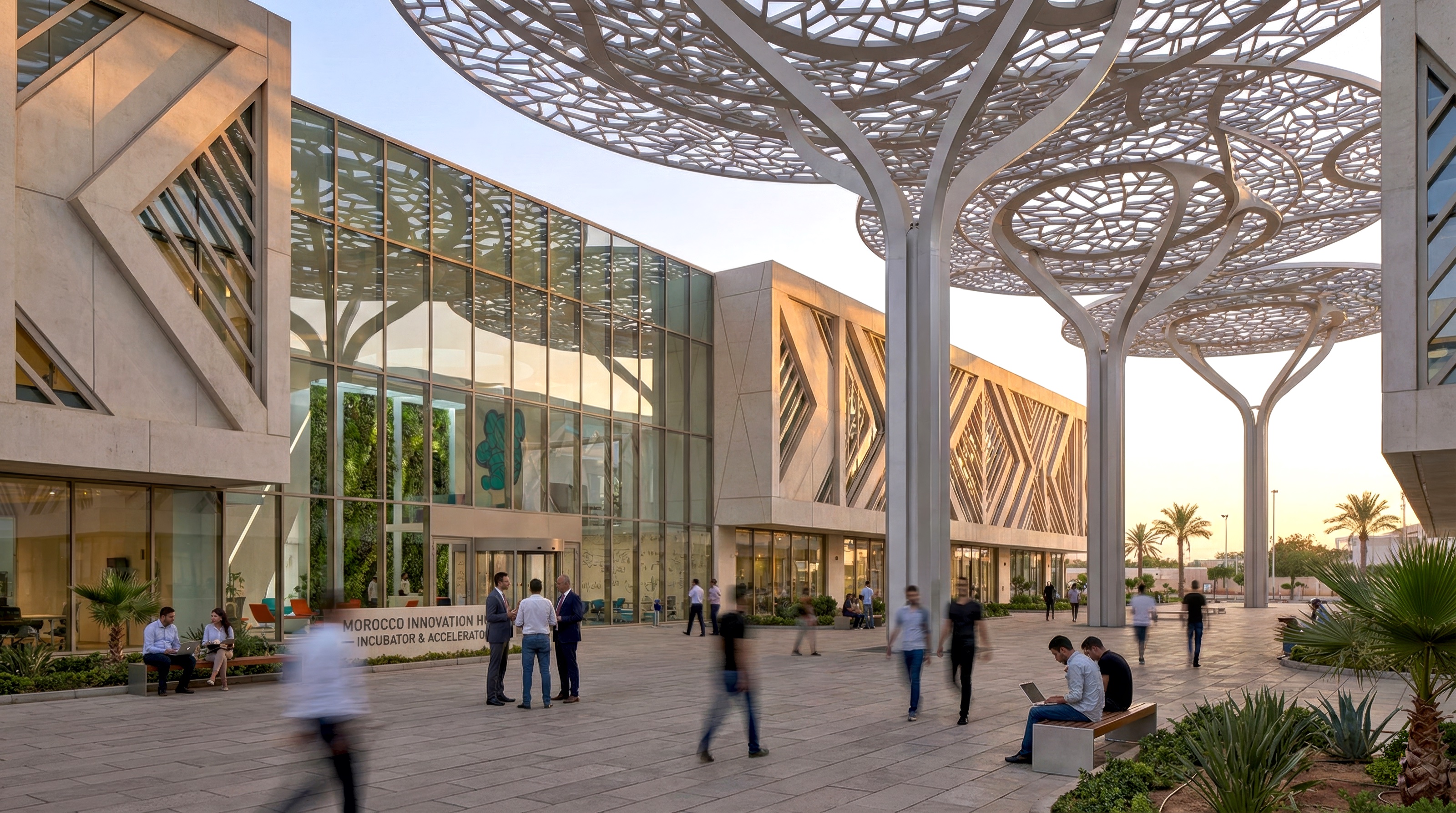
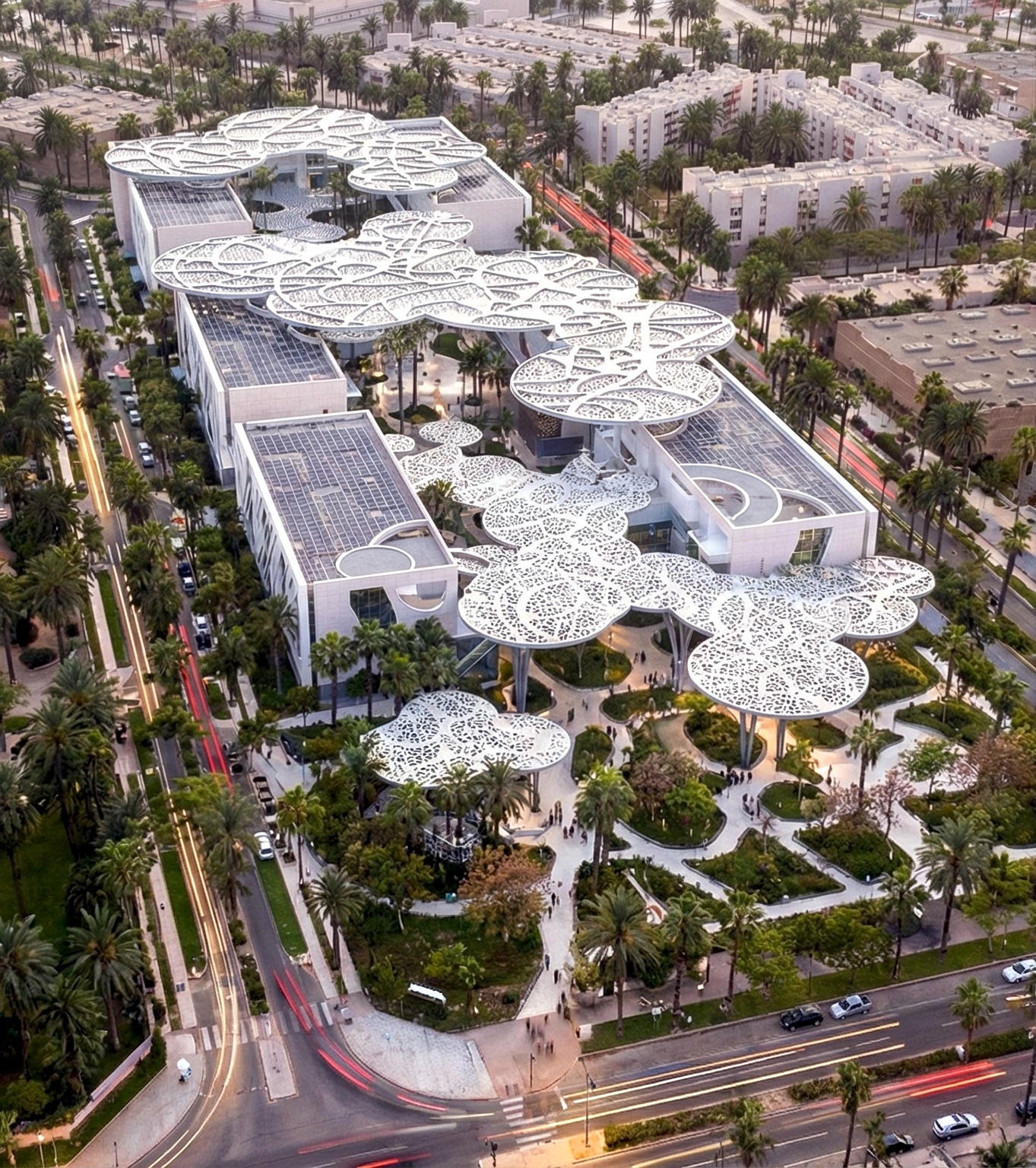
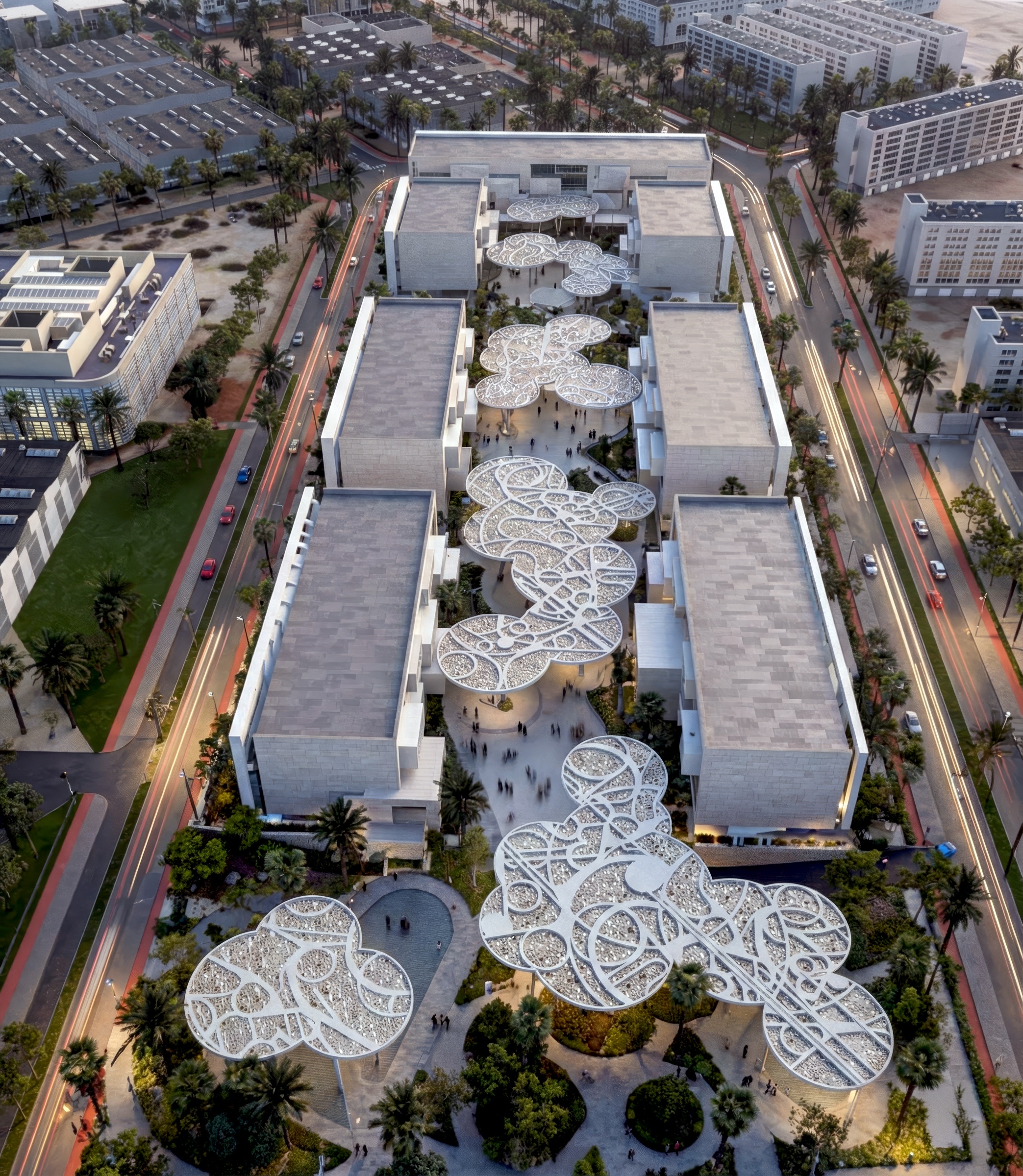
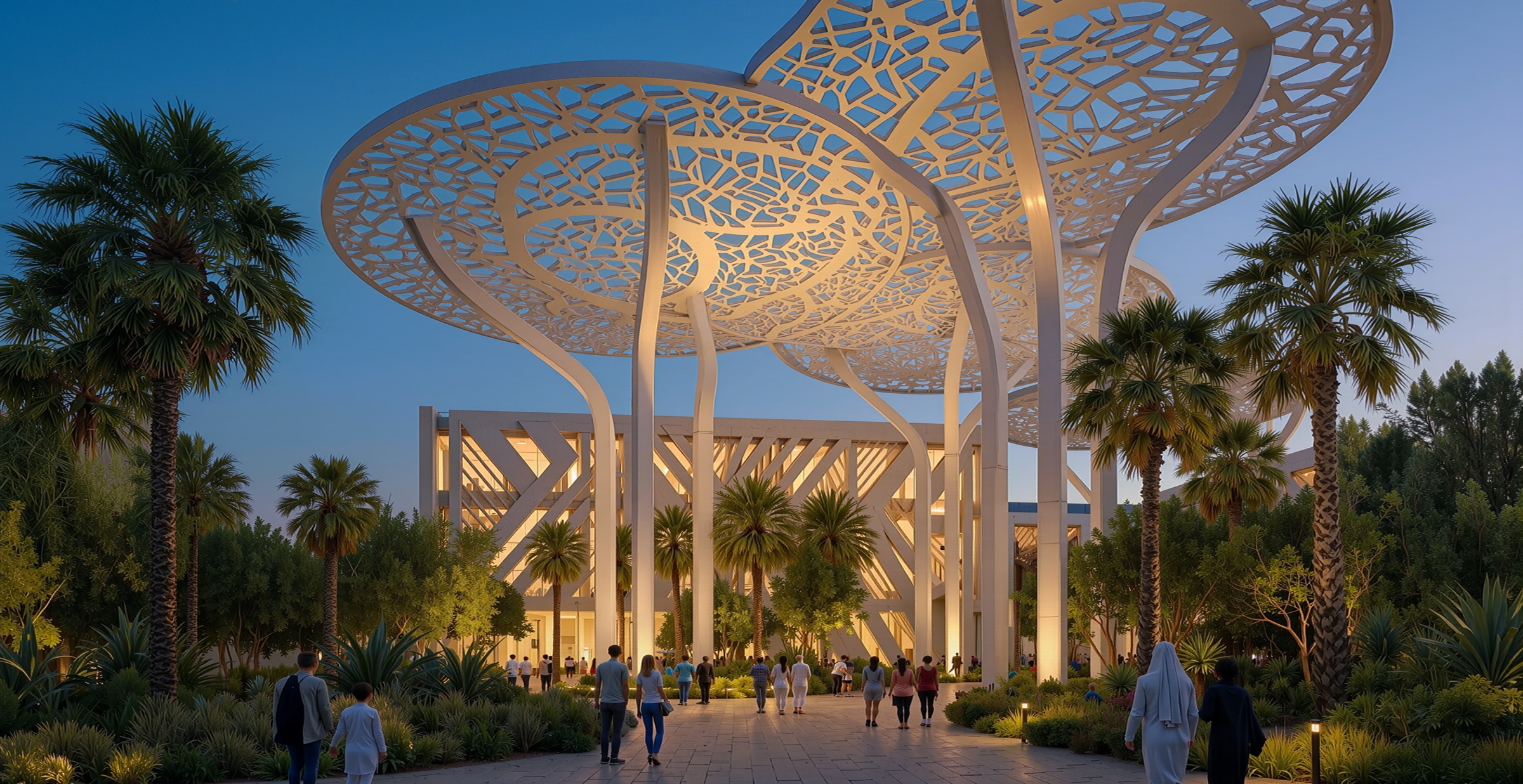
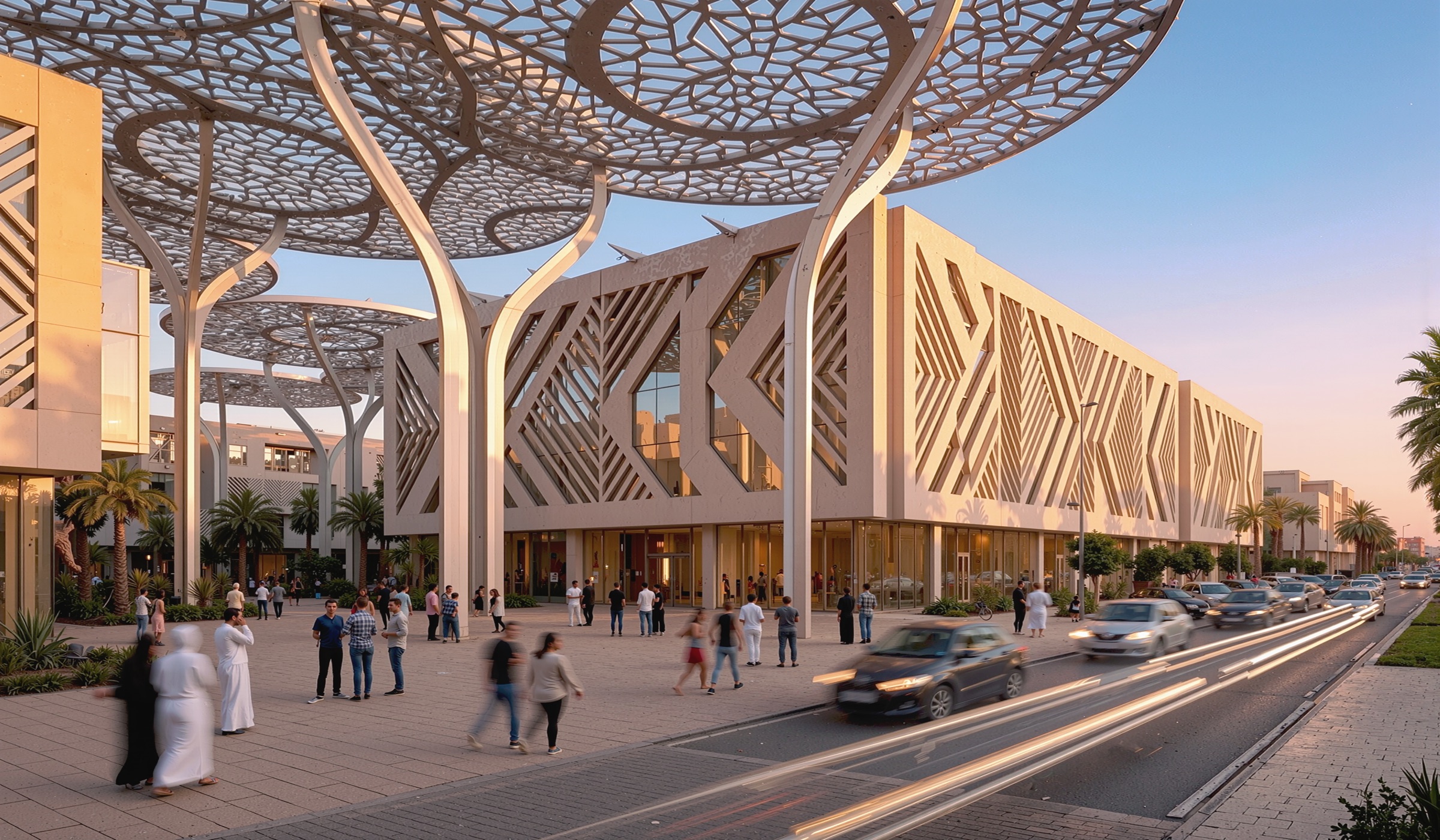
A new campus for the Mohammed VI Polytechnic University in Ben Guerir, Morocco — a research and incubation environment for UM6P's innovation programs, organized around a masterplan of minimal pavilions and lace-like canopied gardens designed as a total symbiosis between architecture, landscape, and community life.
A new campus in Ben Guerir is designed as a landmark project that fuses local cultures, nature, innovation, and education into a cohesive and inspiring whole. Designed around the concept of total symbiosis, the campus masterplan integrates buildings and landscapes into a seamless, mutually reinforcing environment where learning, research, and community life thrive.
Architecture and Masterplan
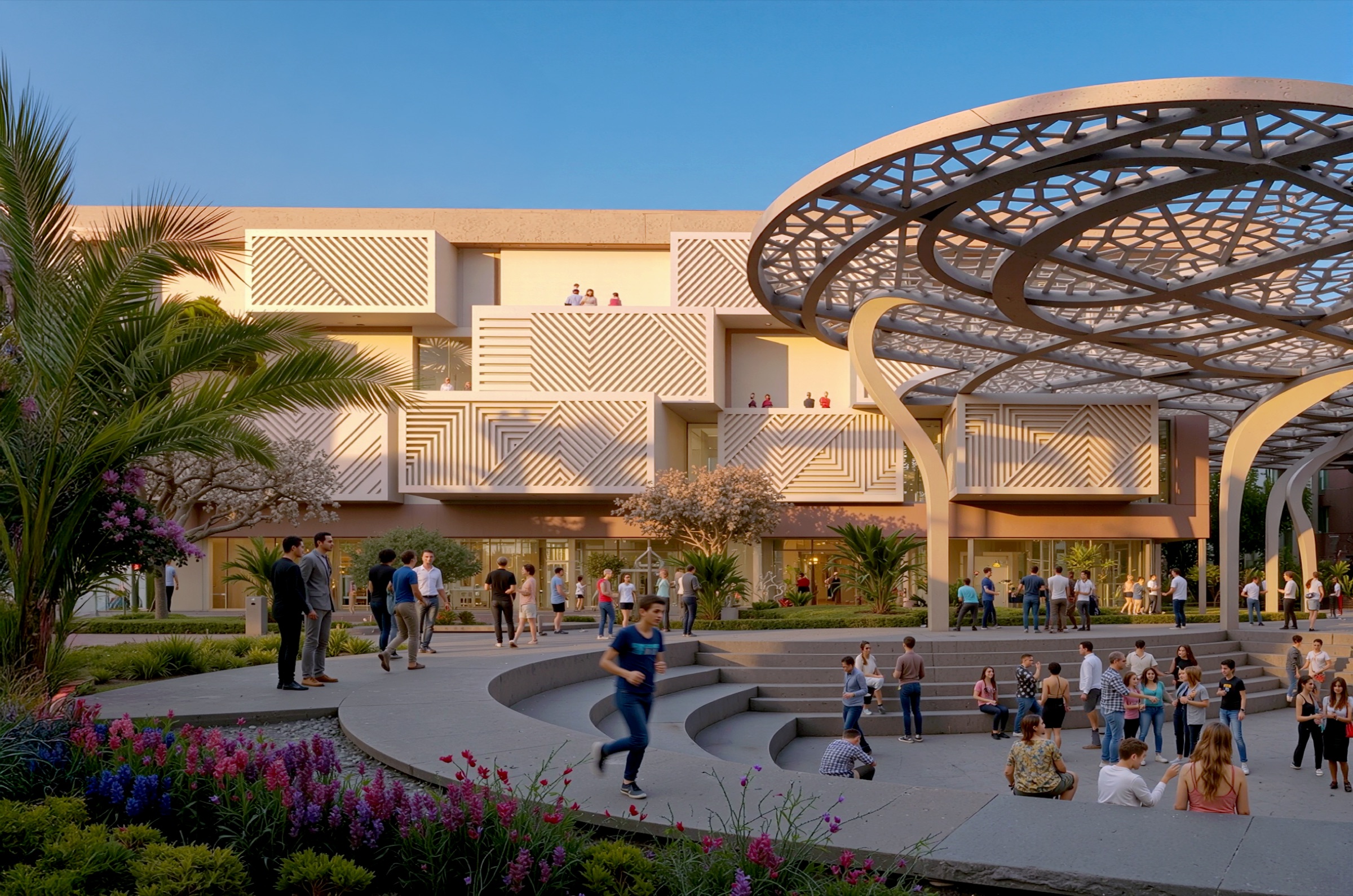
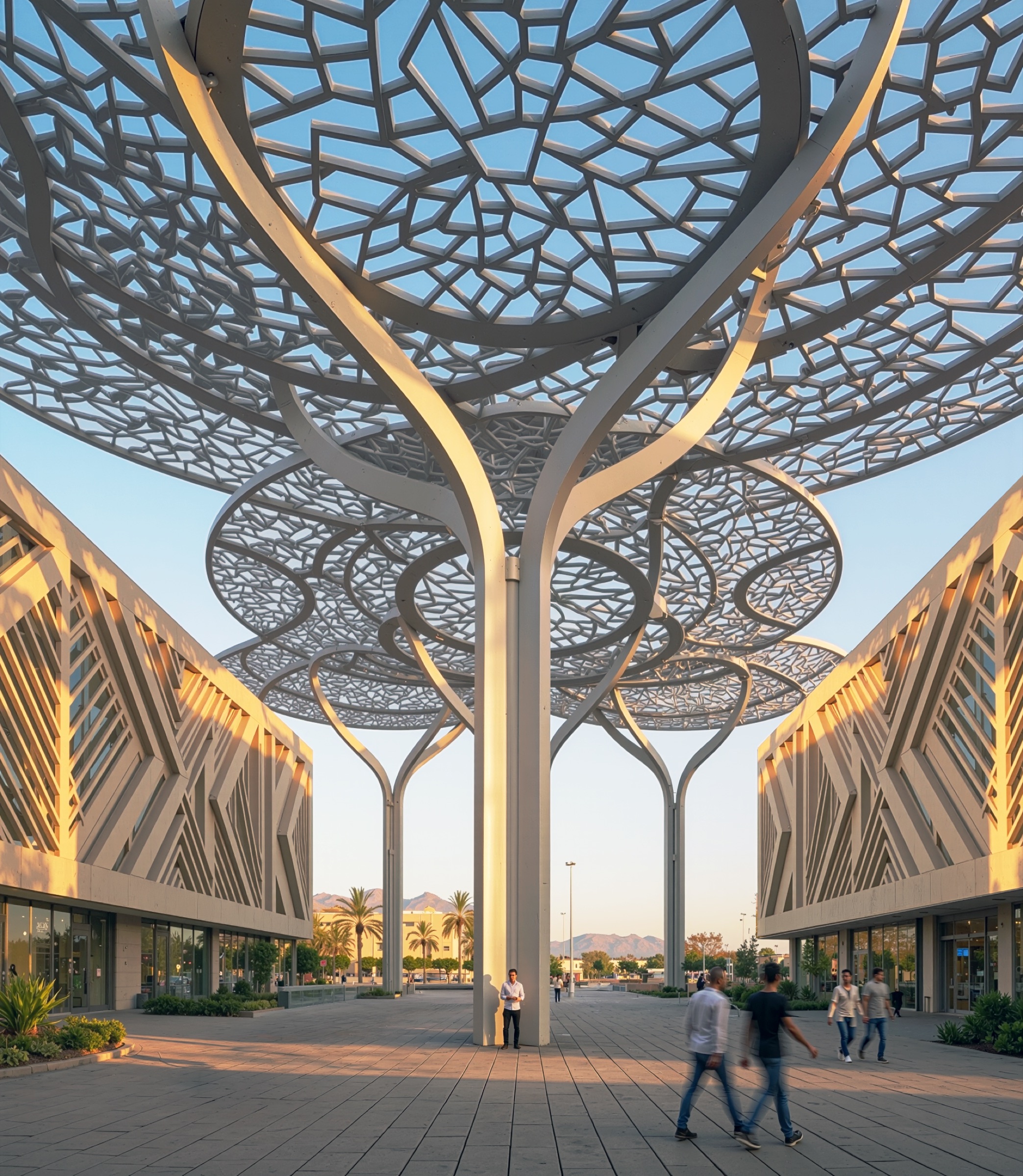
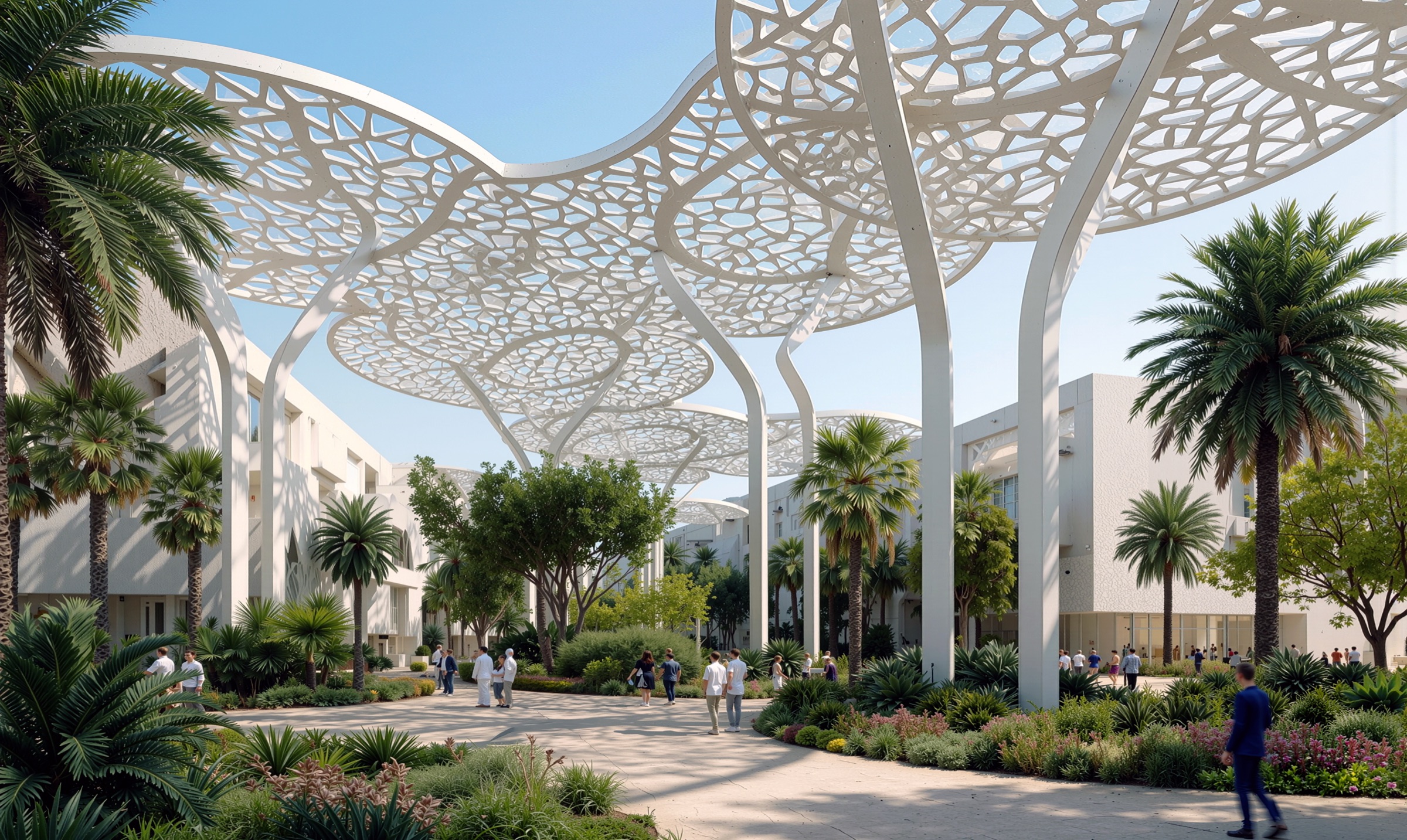
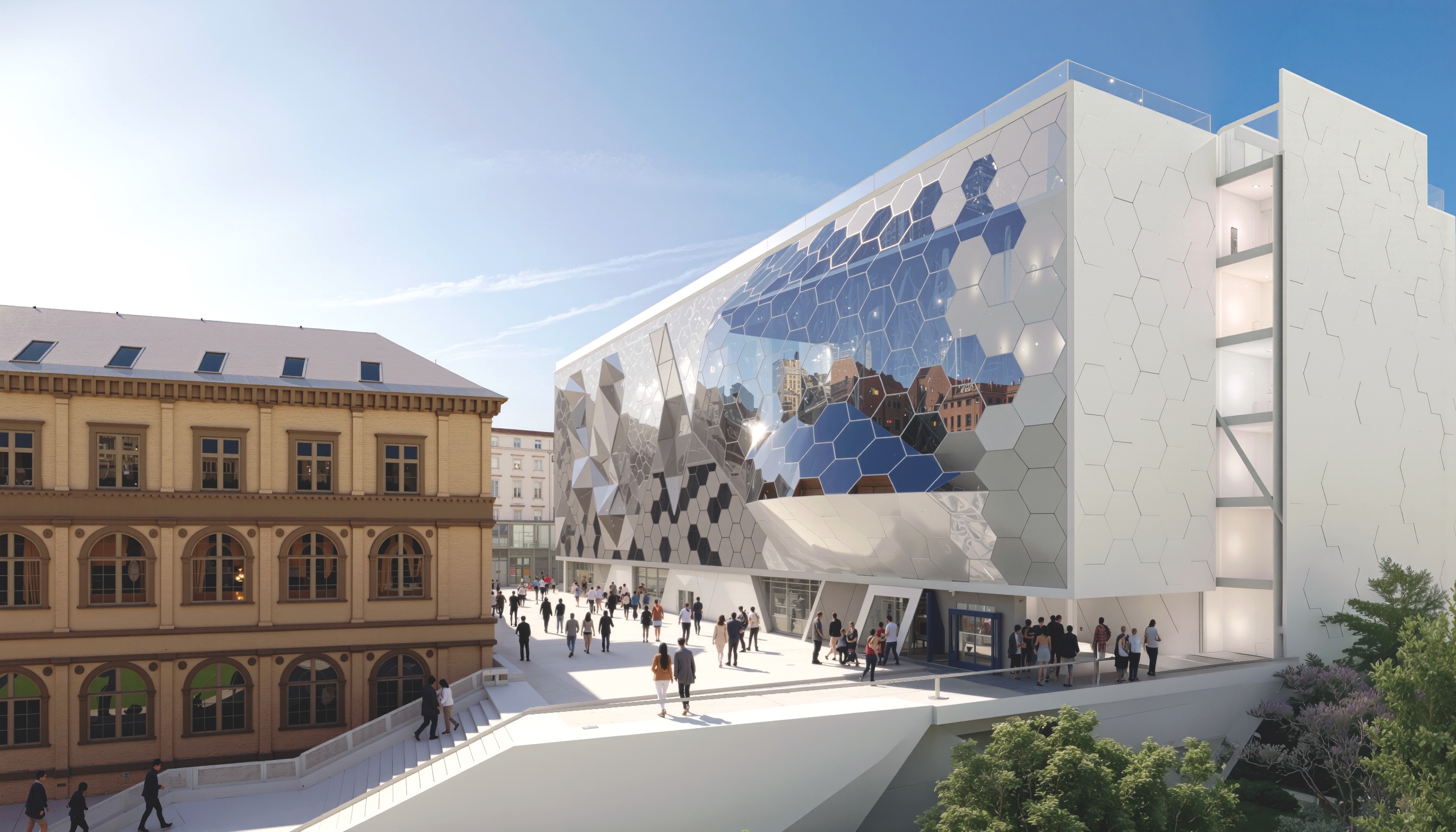
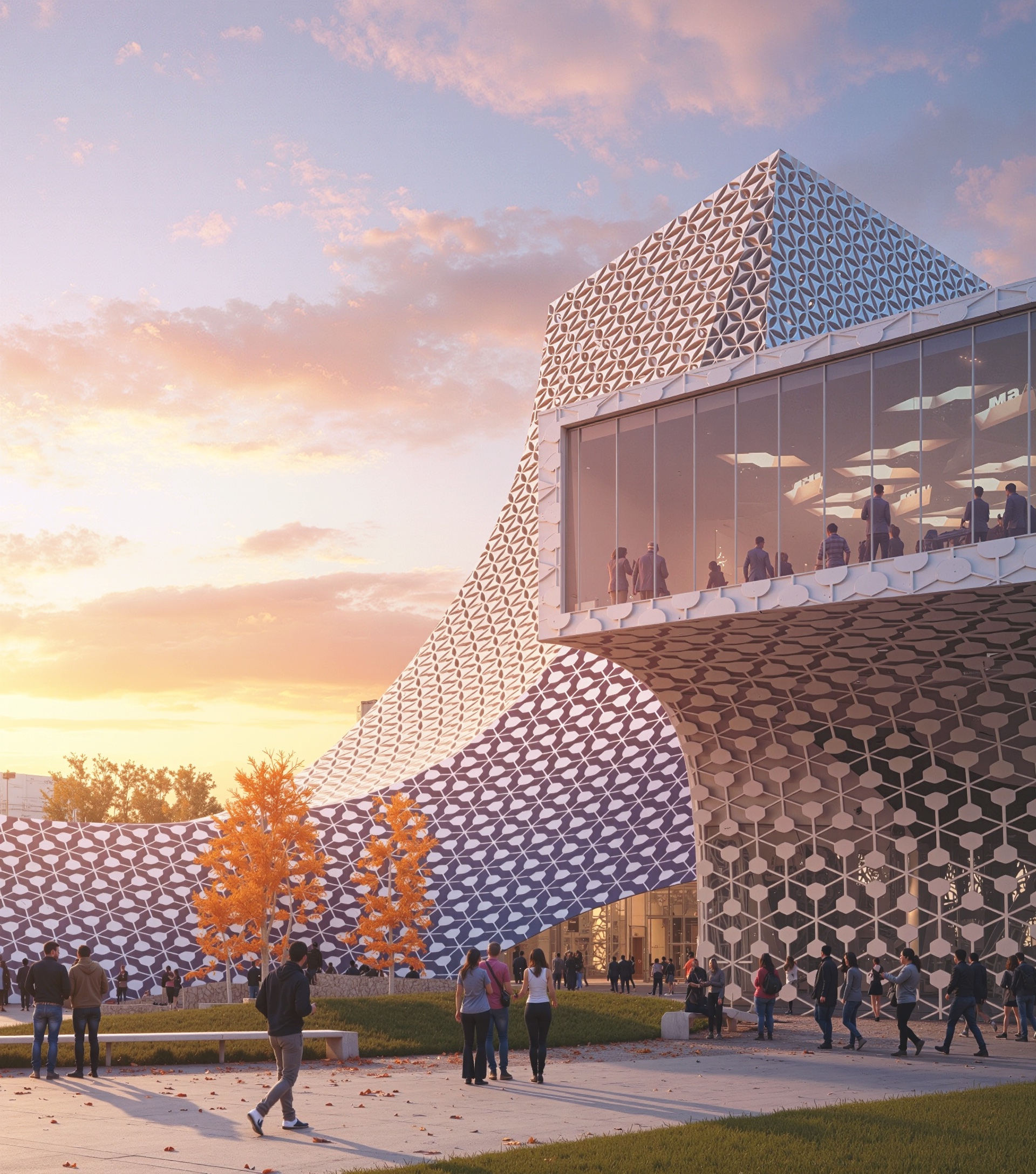
The architecture is composed of elegant, minimal pavilions that are arranged to frame and embrace a series of lush, naturally shaded gardens, creating a public realm that is at once contemplative and vibrant. The pavilions are organized along pedestrian walkways and courtyards sheltered beneath a system of lace-like perforated canopies, which filter the Moroccan sun and cast shifting patterns across the pavilion facades and garden floors below.
Gardens
The gardens serve as a central green heart to the campus and provide a vital social and ecological counterbalance to the built environment. More than just passive green space, they act as a dynamic extension of campus life — supporting informal gatherings, immersive learning experiences, and moments of rest and reflection. This shared amenity becomes a public living room for students, faculty, and the surrounding community: an urban landscape where nature and human activity converge.
Program
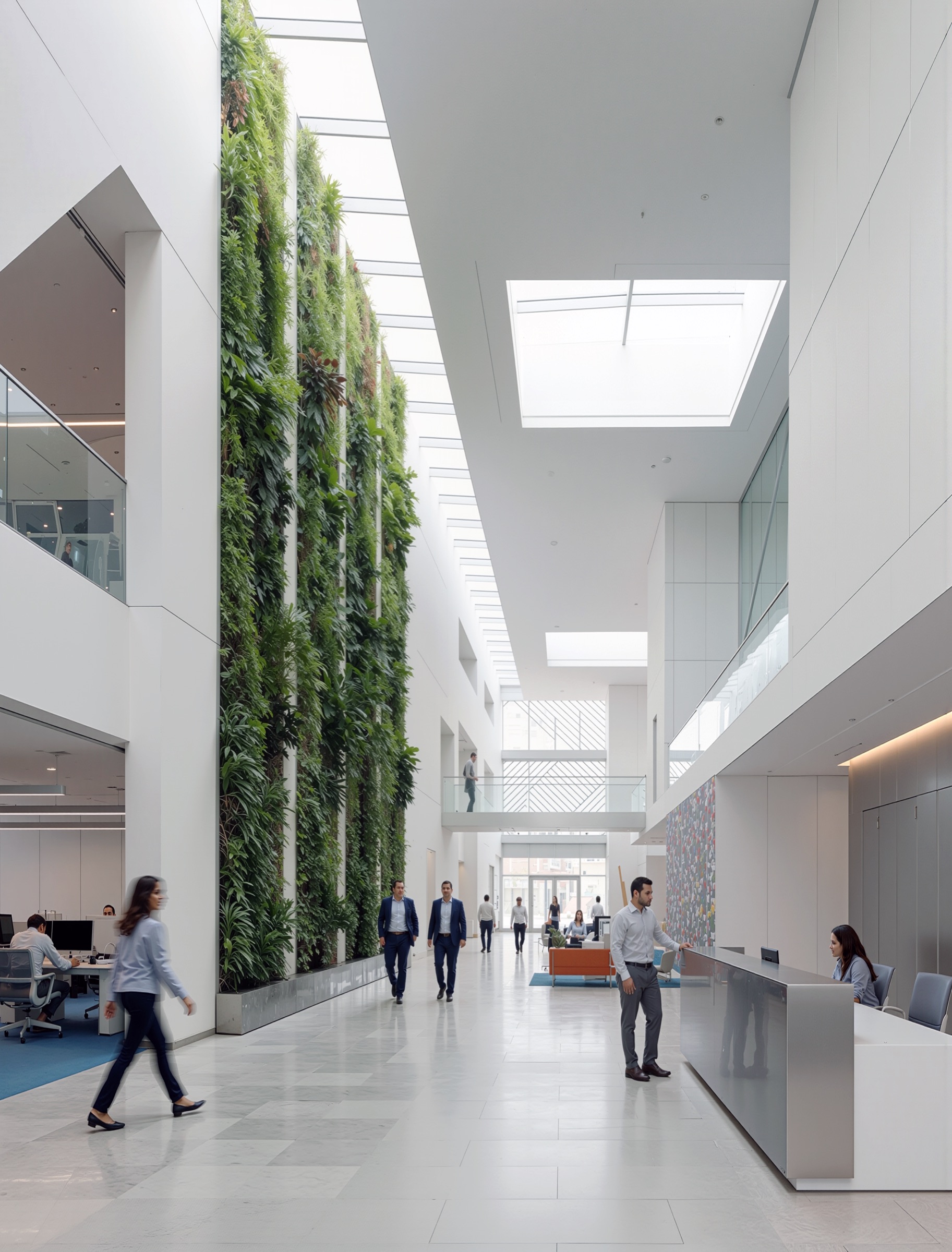
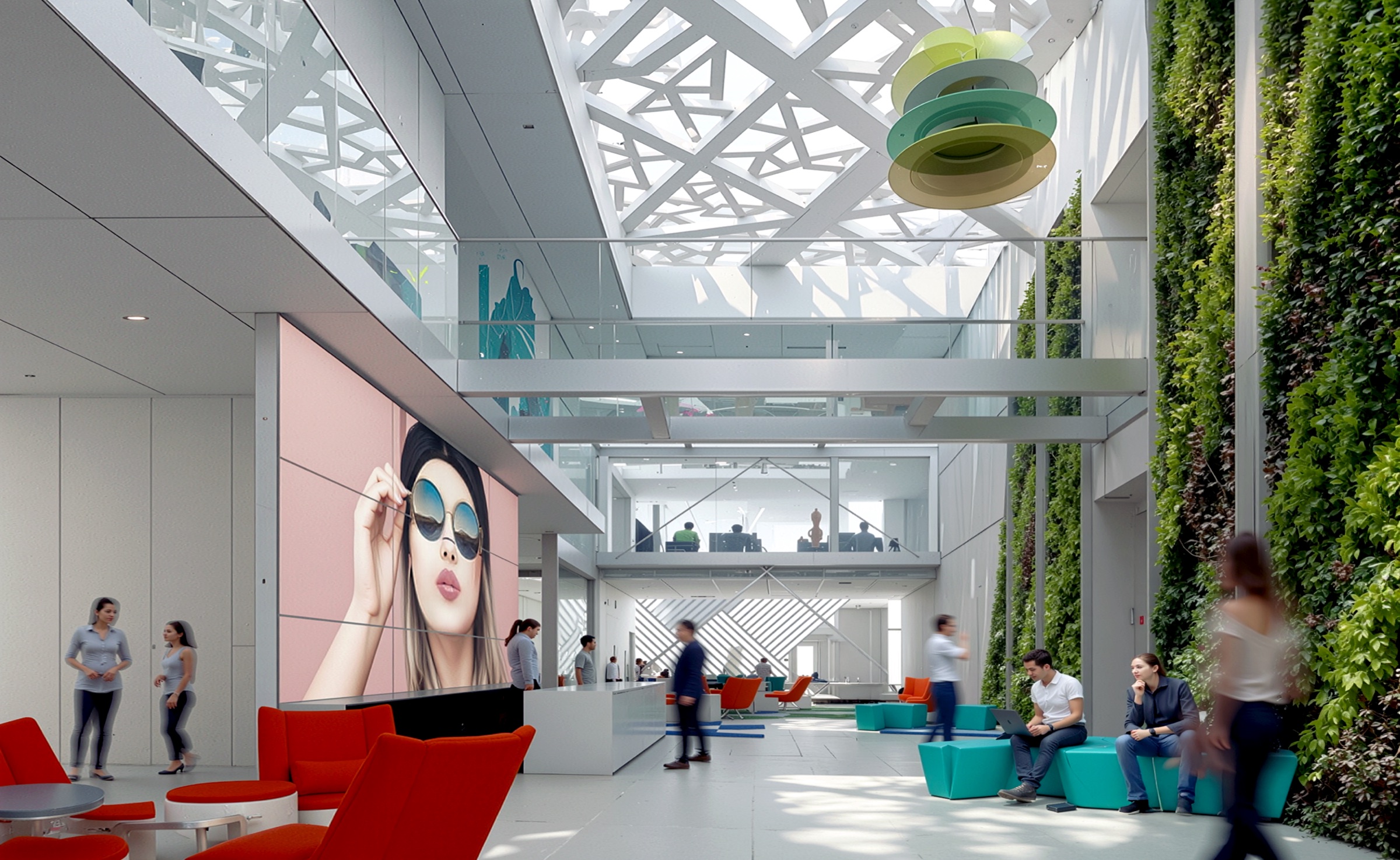
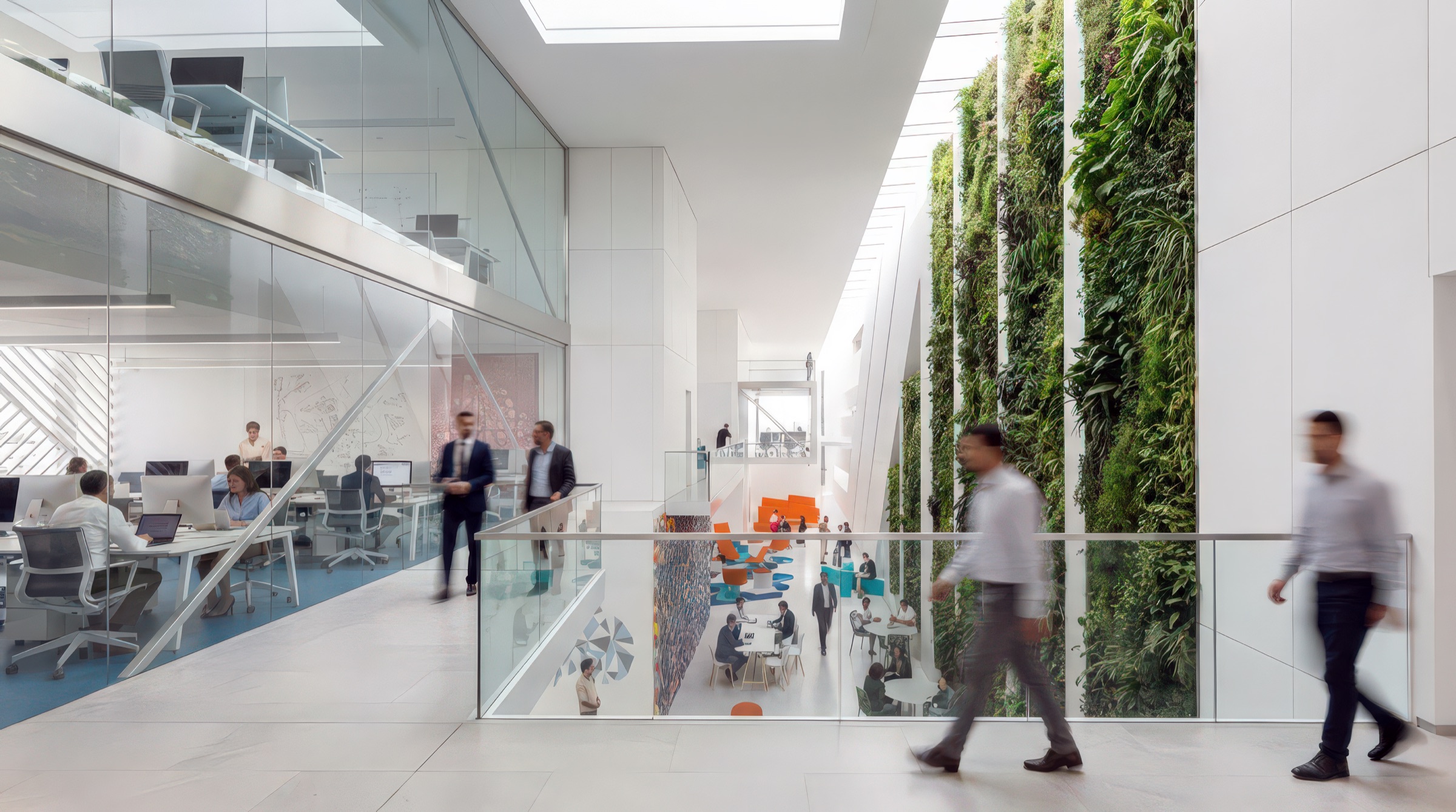
The campus is conceived as the Mohammed VI Polytechnic University’s incubator and accelerator for research, innovation, and entrepreneurship. Its interior program distributes open-plan laboratories, workspaces, and collaborative environments across pavilion volumes linked by interior atria and circulation bridges that overlook living walls and double-height lab floors. The architecture mediates between a research institution’s need for concentration and a campus’s need for exchange — interior spaces that are both disciplined and porous, opening continuously onto the gardens that hold the plan together.