PGCC – Penang Global City Center Development and Masterplan
A 200-hectare masterplan for the Penang Turf Club redevelopment — striated landscape bands extending from Penang Hill create a new model of urbanism intertwining architecture, topography, and tropical landscape.
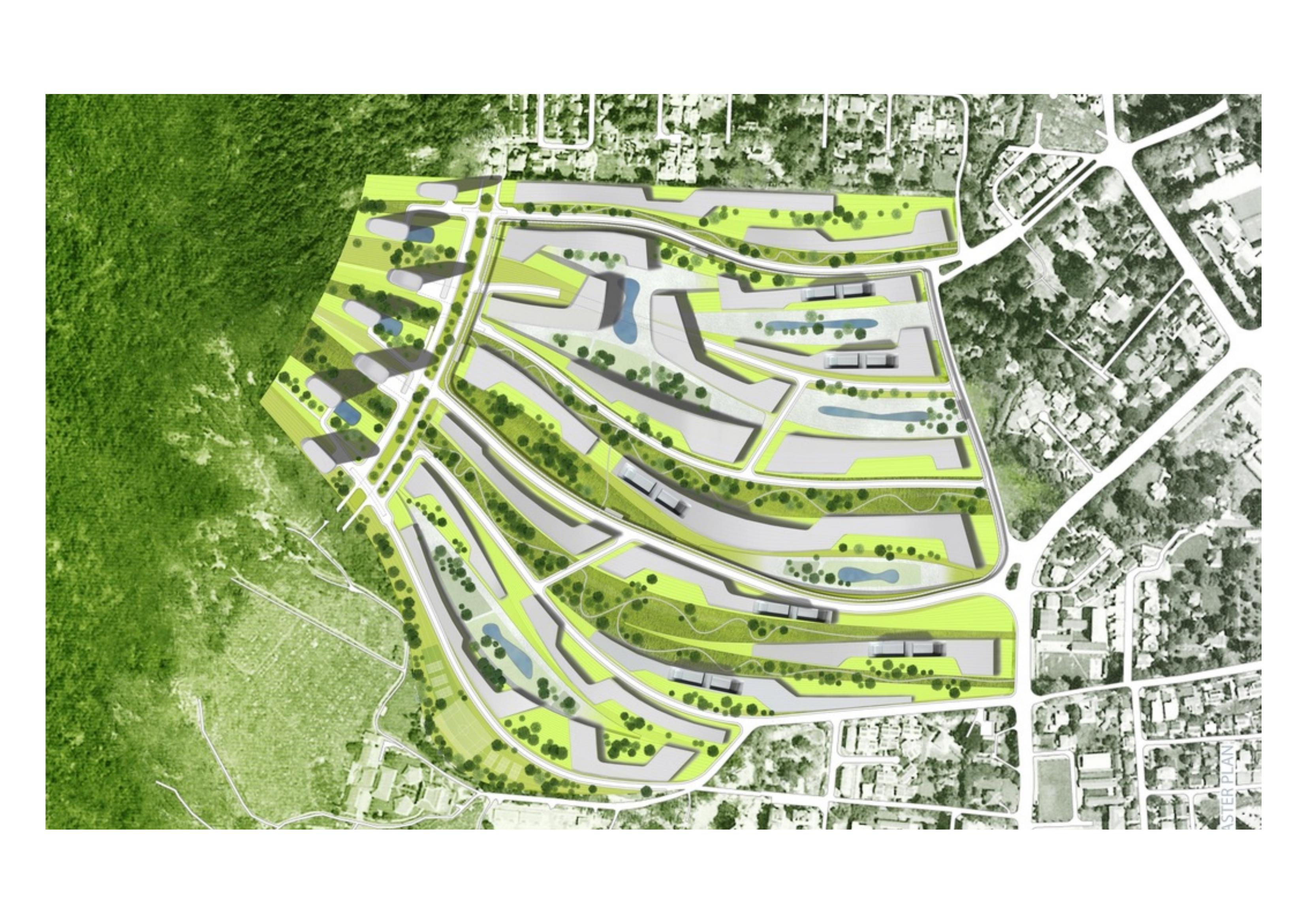
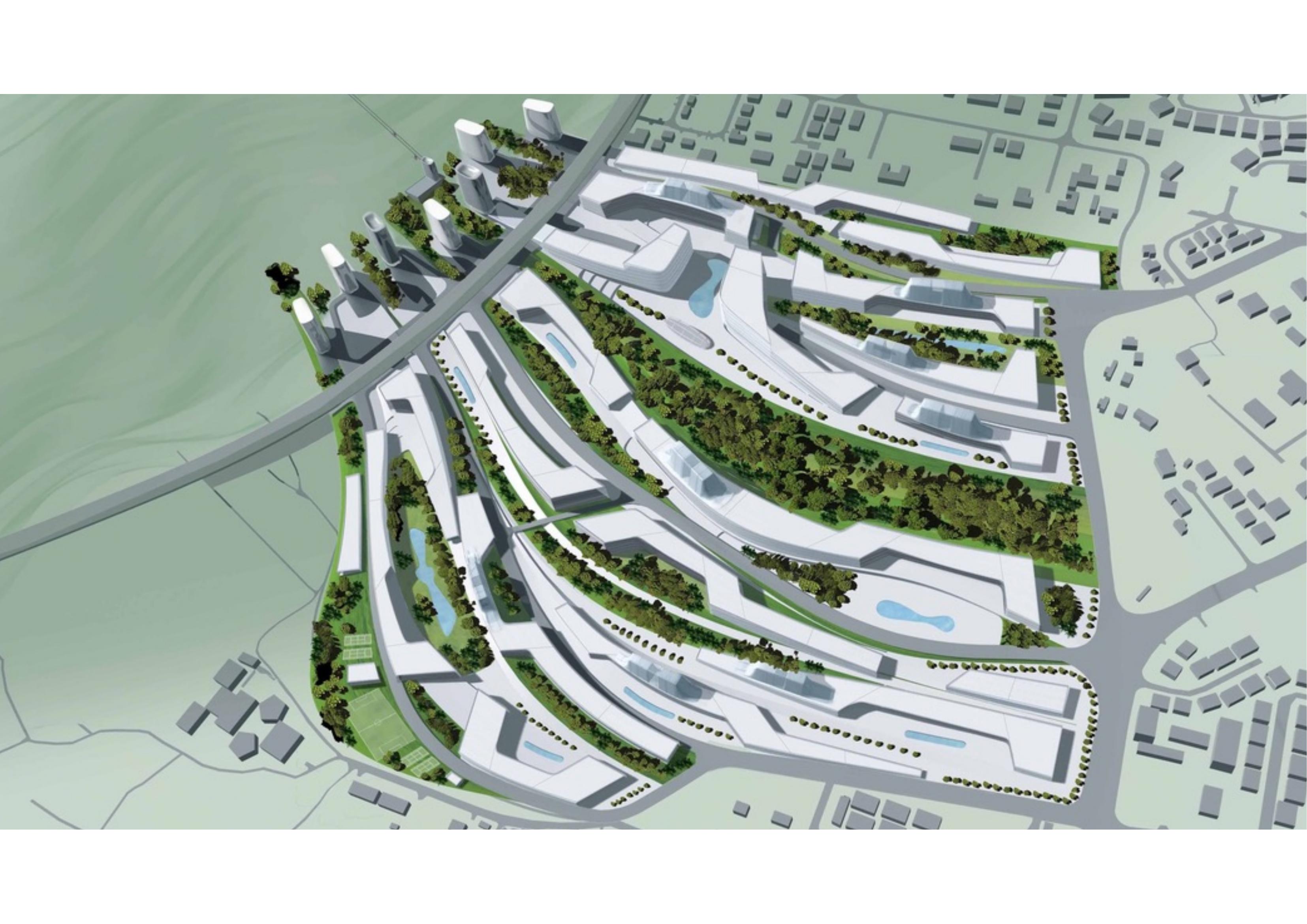
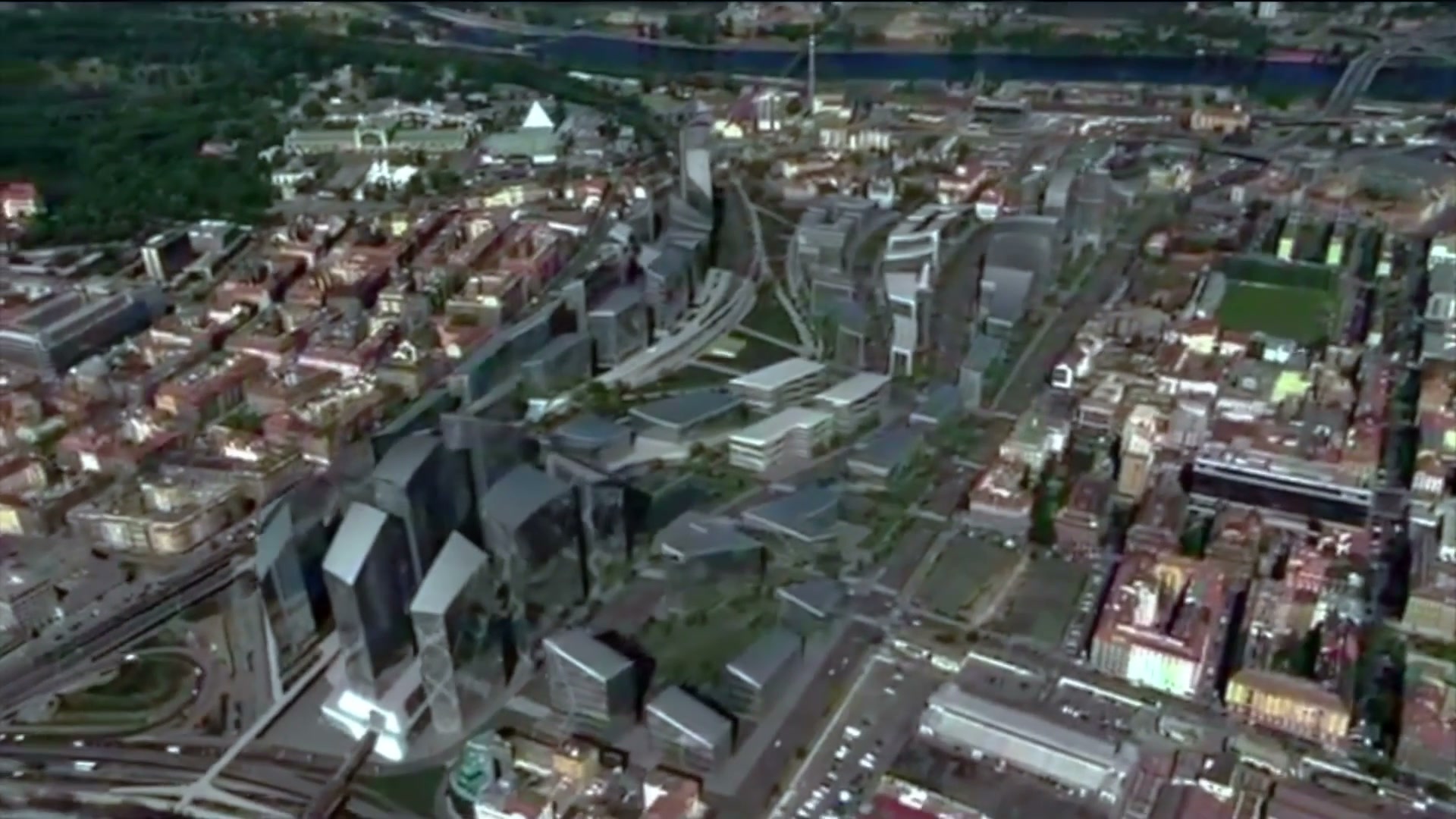
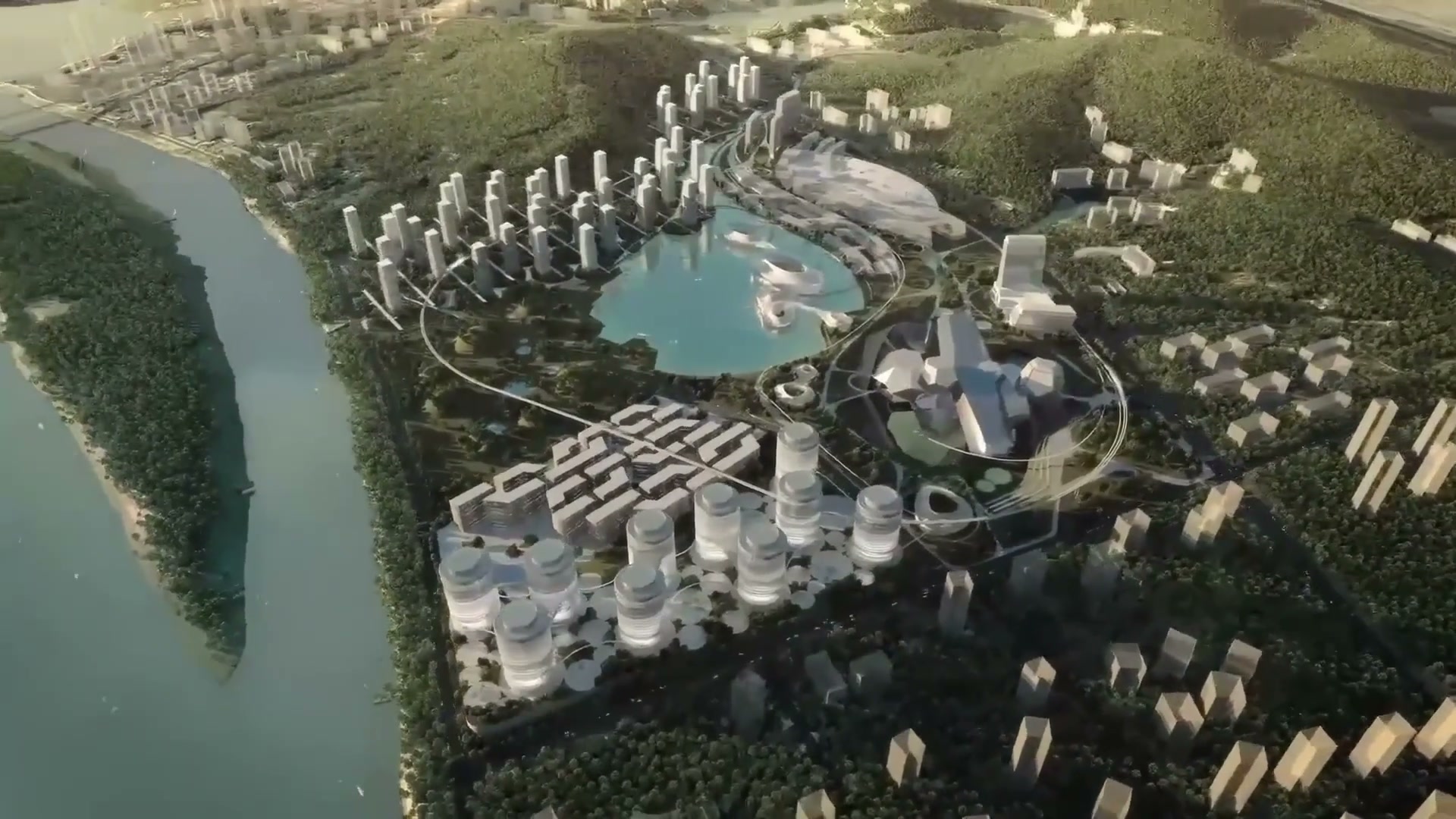
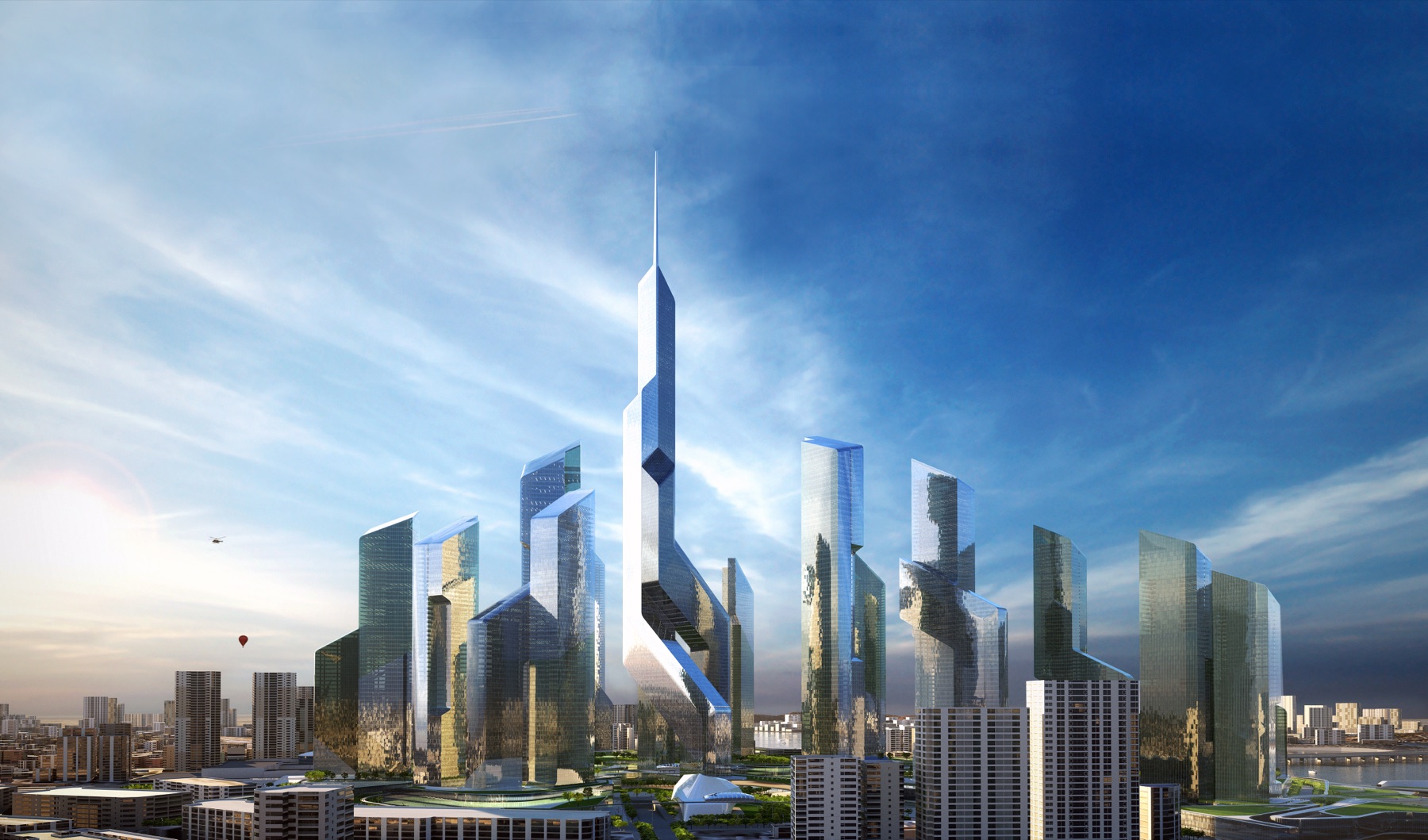
Asymptote’s masterplan for the Penang Turf Club redevelopment generates a new 200-hectare precinct that takes advantage of the extraordinary natural setting — the mountainous landscapes of Penang Hill descending toward the island’s urban center. Intertwining topography and architecture, the design creates a new model for a rich and dynamic tropical urbanism.
Asymptote won the Penang Turf Club Master Plan Competition in 2005. PGCC — the Penang Global City Center — is the 2007 development of the commercial component of that winning masterplan.
Striated Landscape
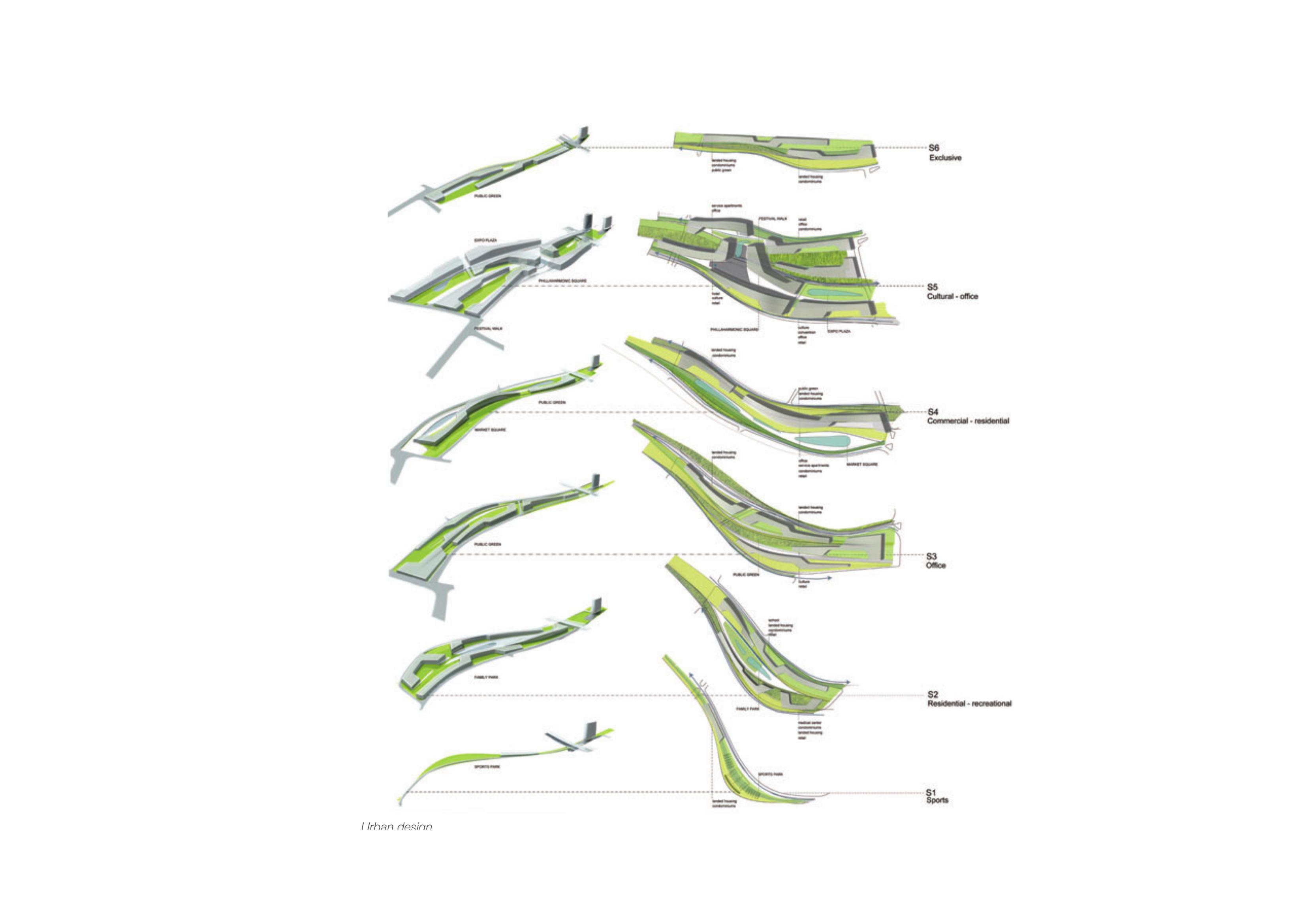
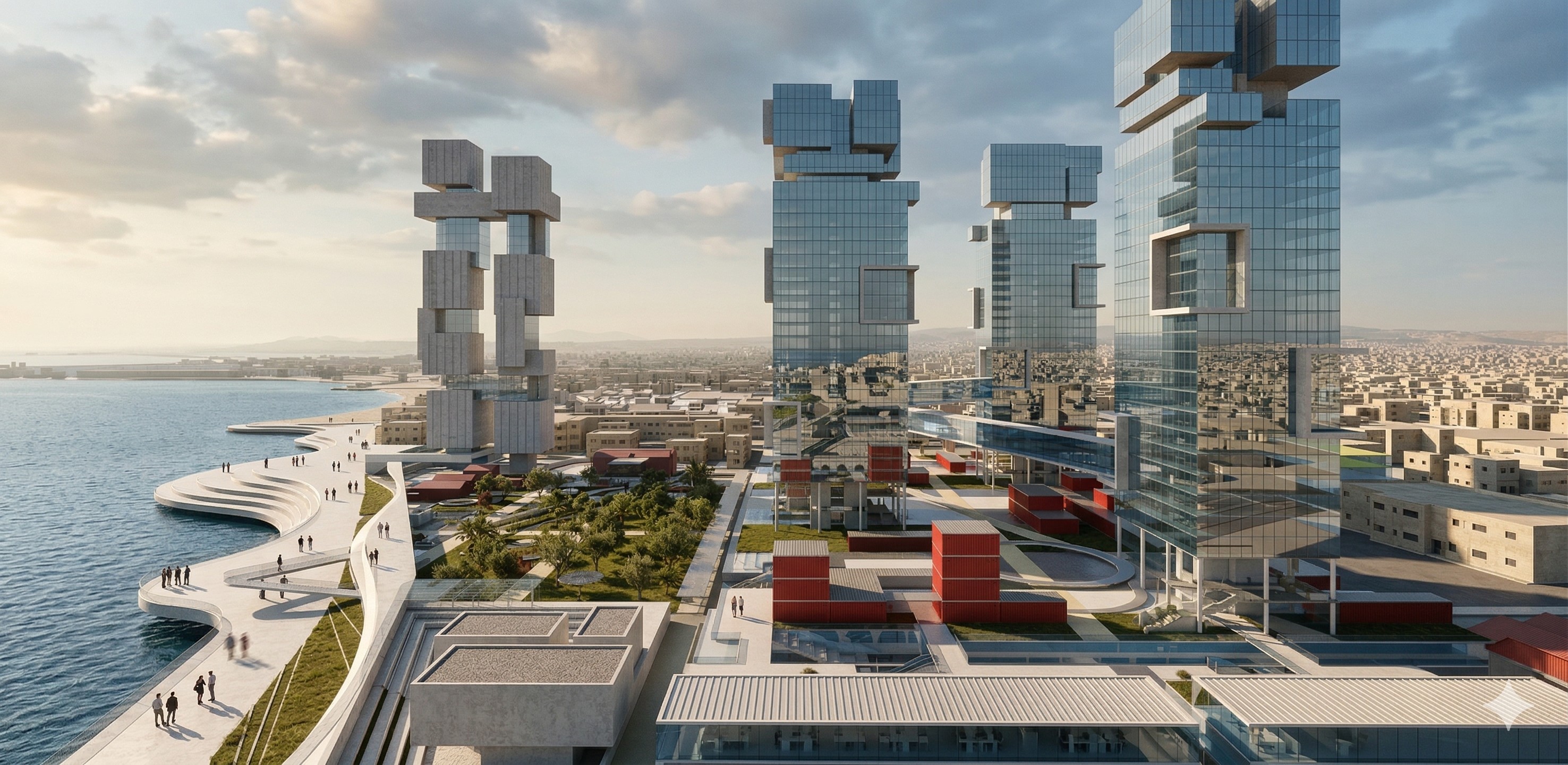
The natural environment of Penang Hill inspired a striated landscape approach. These striations become the organizing principle for the masterplan, creating various urban landscape typologies of programmatically differentiated strips that extend from the hillside toward the city center of Penang. Six distinct bands — from Sports and Residential-Recreational at the edges to Office, Commercial, and Cultural zones at the center — are woven together by continuous green corridors and water features.
Architecture & Topography
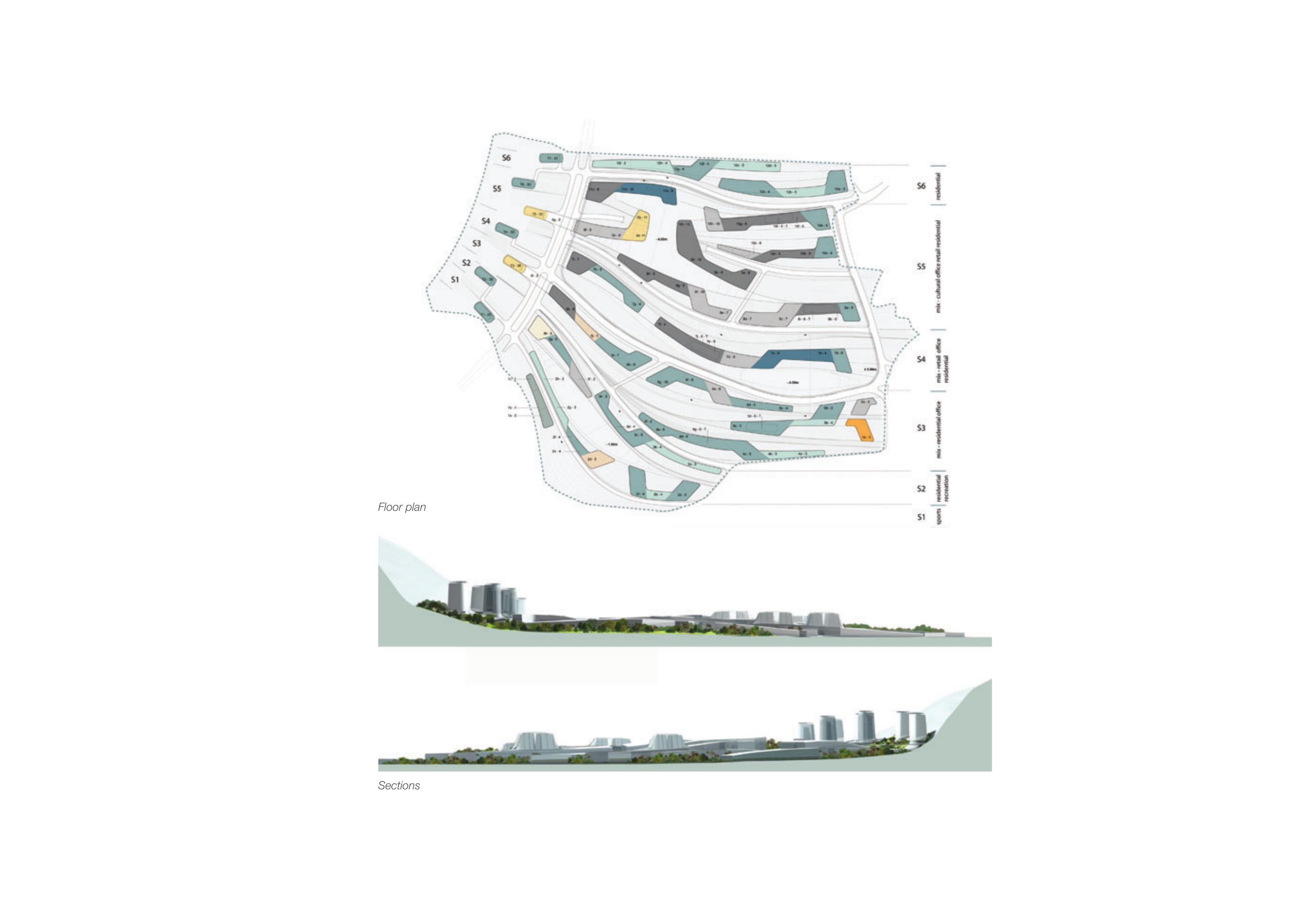
The linear buildings that extend the landscape vary in height to integrate with the modulated topography of the site. Articulations along the length of these structures achieve an appropriate urban scale while maintaining density, provide workable building depths for natural light and ventilation, and define semi-private areas that are green transition spaces between the various private and public realms.
Program Distribution
The distribution of program and massing on the site operates in concert with the open space concepts. The more intimate scales of residential occupancy are located on the north and south sides of the site, bordering adjacent low-scale neighborhoods and landscape areas. The center of the site accommodates a concentration of public urban functions, including cultural programs, a convention center, hotels, a philharmonic hall, and commercial and office space. The zones between these are transitional in building mass and program, housing mainly mixed-use and residential occupancies.
Civic Destinations
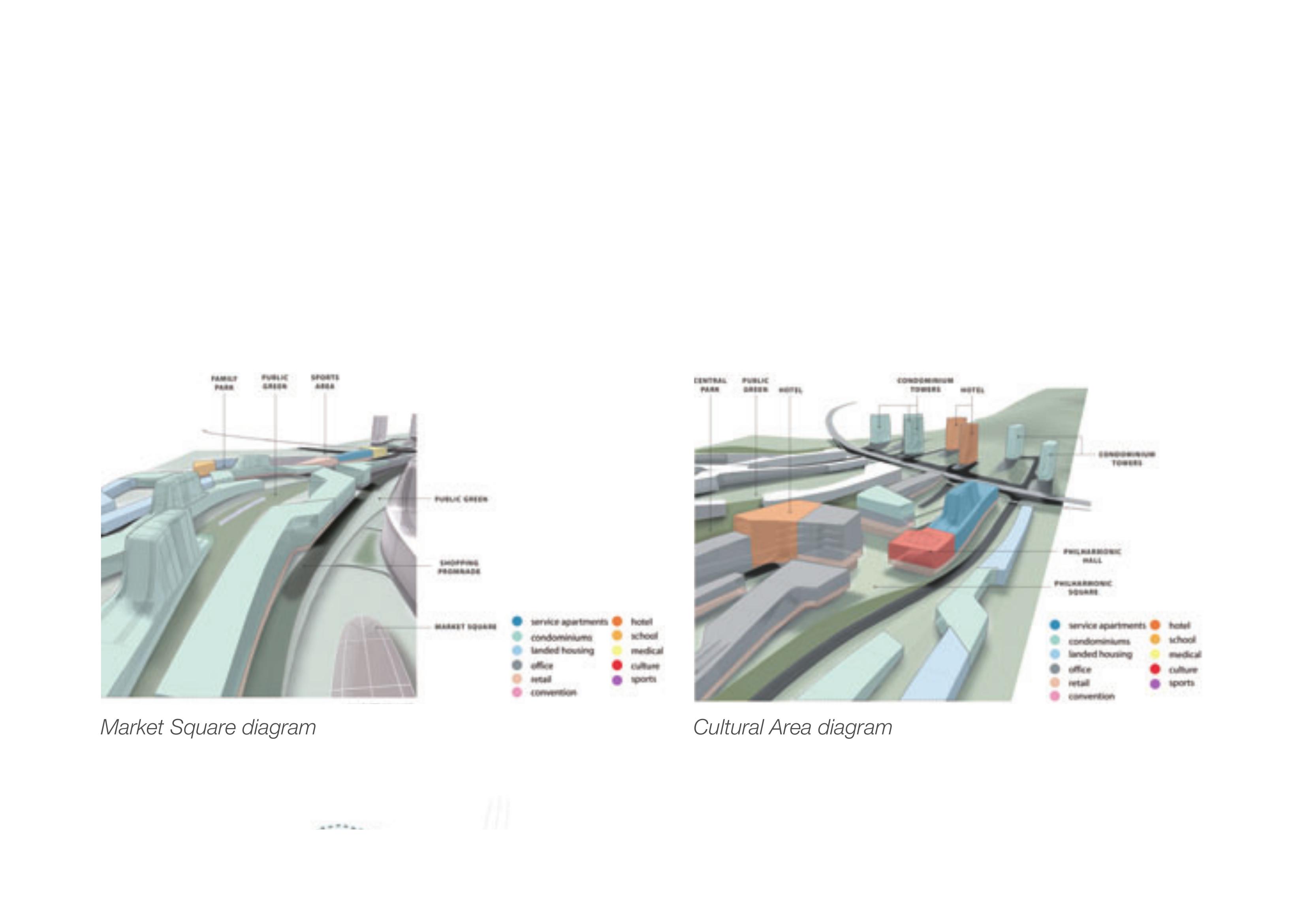
Two major civic districts anchor the masterplan: the Market Square, which combines a family park, public green, sports area, and shopping promenade into an active urban precinct; and the Cultural Area, which brings together a central park, hotel towers, condominium residences, and the philharmonic hall into a destination for cultural and civic life on the island.